-
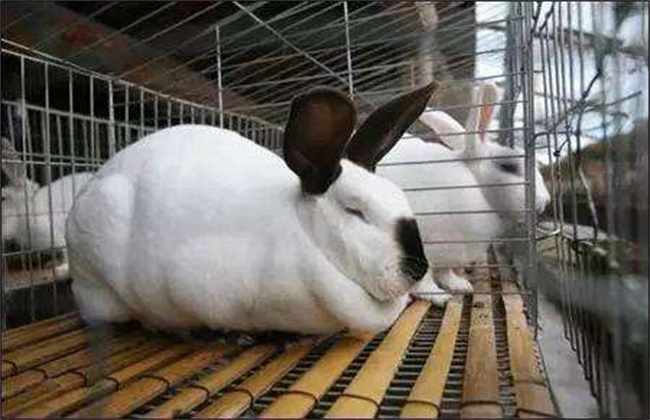
Detailed Explanation of Key Points for Autumn Feeding and Management of Rex Rabbits
Key Points for Autumn Feeding and Management of Rex Rabbits
-
-
-
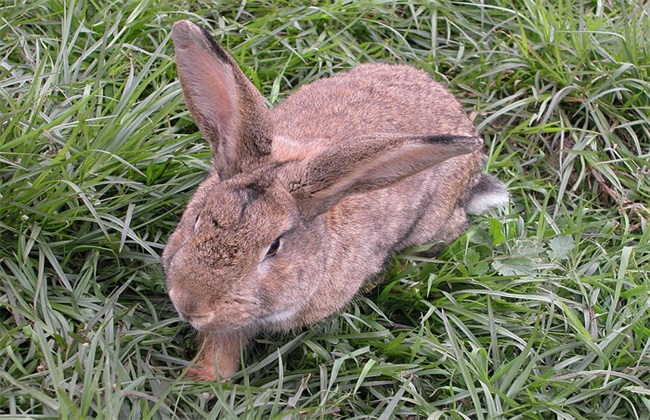
Which rabbits are profitable to raise? Rabbit breed selection and benefit analysis
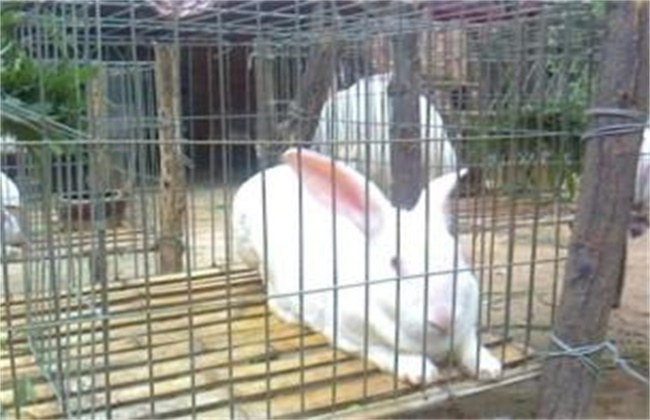
Which rabbits are profitable to raise
-
-
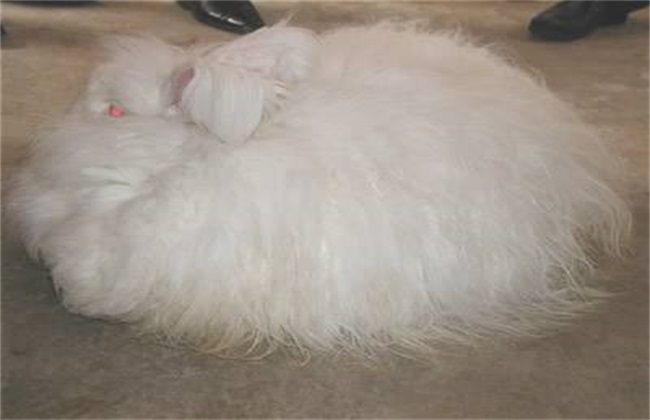
How Are Angora Rabbit Wools Harvested? Detailed Explanation of Methods and Precautions
Wool Harvesting Methods and Precautions for Angora Rabbits
-
-

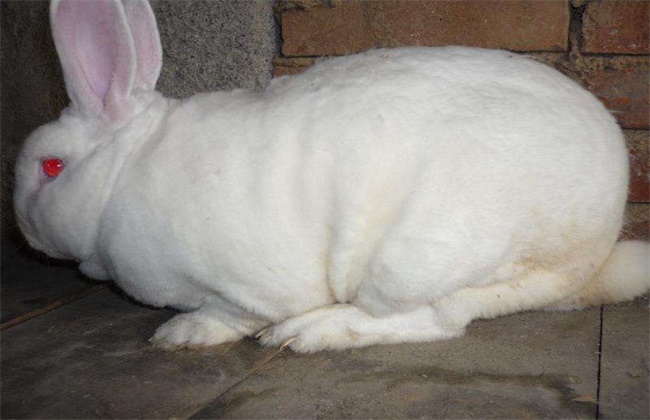
Winter prevention methods for rabbit Bordetella bronchiseptica disease
Rabbit Bordetella bronchiseptica disease, also called rabbit bronchial septic Bordetella bronchiseptica disease, is a common respiratory infectious disease of rabbits caused by Bordetella bronchiseptica. The disease is characterized by chronic rhinitis, bronchopneumonia and pharyngitis. This disease occurs frequently in autumn and winter and early spring. It is mainly spread through the air and infects via the respiratory tract. The incidence rate is high in young rabbits, and there are fatal cases. Adult rabbits are less commonly affected. This bacterium contaminates 64.4% of group-raised rabbits and 20% of free-range rabbits. Under natural conditions, this bacterium is parasitic in the upper respiratory tract of many kinds of mammals, often causing mutual infection of chronic respiratory diseases.
-
How can wool rabbits grow more fur? These seventeen methods are worth trying
1. For each rabbit, use 0.5 g of sulfur, 1 g of silkworm droppings, 1 g of Smilax glabra, and 0.1 g of trace elements daily. Mix and crush them, then mix evenly with the feed and feed the rabbits. Generally, wool can be clipped 7-10 days earlier. 2. After wool rabbits are shorn, inject 250 mg of vitamin B12 intramuscularly per rabbit per day for 2-3 consecutive days; or orally administer compound vitamin B1 tablets (each tablet contains 3 mg of B1, 1.5 mg of B2, 0.2 mg of B6, and 2 mg of calcium pantothenate), using 1/4 tablet per rabbit per day
-
Rabbits Are Prone to Heatstroke in the Hot Summer, Rabbit Farmers Must Not Forget Prevention
Heatstroke is a common disease of domestic rabbits in summer, and simply because rabbit farmers often take it lightly, cases of rabbits dying from heatstroke are frequently seen. Therefore, as the hot summer arrives, rabbit farmers are especially reminded never to forget to guard against heatstroke in rabbits. Precautions: set up simple shade shelters around the rabbit hutch or spread shade netting. Open all doors and windows of the hutch to let the air circulate; splash well water on the walls and floor inside the hutch to cool it down; provide the rabbits with plenty of clean drinking water, and feed more fresh green forage and an appropriate amount of watermelon rind, cucumber peel, etc., to help the rabbits quench their thirst and prevent heatstroke.
条件筛选