-
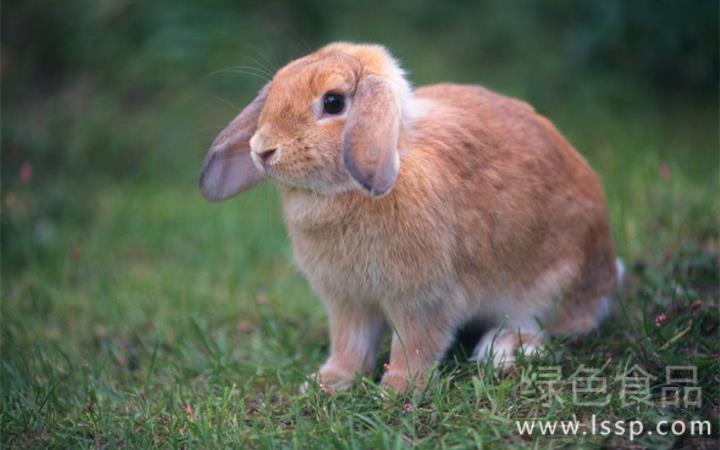
Mastitis in female rabbits can be fatal in severe cases; how can it be prevented?
Mastitis can cause death in female rabbits in severe cases; how to prevent mastitis in female rabbits
-

Weather changes trigger acute dehydration and death in rabbits, requiring vigilance
In August 2007, an acute intestinal infectious disease characterized by severe diarrhea, dehydration and rapid death occurred in the breeding rabbit flock of a rex rabbit farm. The incidence rate was about 60%, and the mortality rate reached 40%. Based on epidemiology, clinical symptoms and pathological changes, combined with laboratory testing, it was finally diagnosed as Tyzzer's disease in rex rabbits. The relevant situation is reported as follows. I. Onset process: A rabbit farm raised 1000 rex rabbits, of which more than 200 were breeding rabbits. In early August, after 5 consecutive days of local rain and with the temperature exceeding 3
-
What are the preventive measures for rabbit mange? A must-read for rabbit keepers
Rabbit mange, also known as rabbit acariasis, is an external parasitic disease caused by sarcoptic mites or psoroptic mites that live on the surface of the rabbit's body. The disease has a wide reach and a high incidence rate, and is a major disease of rabbits in winter and spring. It is highly contagious, and if not treated in time, affected rabbits can die from gradual emaciation and weakness, making it extremely harmful. Here is an introduction to the disease based on practical experience. Disease characteristics: Rabbit mange occurs mainly in winter and in late autumn and early spring, because in these seasons sunlight is insufficient and the rabbit's fur is long
-
Adding fat to rabbits' feed in winter has many benefits
In winter, the weather is cold and temperatures are low. If 2%-3% fat (rendered lard is best, vegetable oil is second best) is added to the rabbit diet, feeding it to rabbits not only improves palatability and promotes healthy growth, but also increases body fat and fat reserves, thereby improving the rabbits' resistance to winter cold. According to many years of practice at the author's rabbit industry base: adding fat to the feed of pregnant does can increase the survival rate of kits by about 10%; adding fat to the diet of does during lactation can significantly increase the weaning survival rate of kits; adding fat to the diet of meat rabbits
-
How to slaughter rabbits, take the hides and tan them more efficiently
Rex rabbit fur has the characteristics of being short, fine, flat, dense and beautiful, is in great demand on the market and commands a high price, but the market also has very high quality requirements when purchasing rex rabbit fur. To sell rex rabbit fur at a good price, raisers should master the following six tips: 1. Feed formulation. The rex rabbit is a dual-purpose rabbit for both fur and meat, and must both grow fur and grow meat. Feed nutrient levels must be high, generally with digestible energy of 11.4-11.9 MJ/kg, crude protein of 18%-19%, crude fiber of 6%-8%, crude fat of 3%-4%, calcium of 0.88
-
How to treat a sneezing rabbit? Learn the correct way to handle it
Answer: Many kinds of diseases can cause a rabbit to sneeze. For example, the common cold, pneumonia, rhinitis, and so on; a further diagnosis should be made before treatment. For the common cold, oral cold granules, Ganmaotong, and similar medicines can be given, while for pneumonia and rhinitis, streptomycin, kanamycin, florfenicol, and similar drugs are used by intramuscular injection or nasal drops.
-
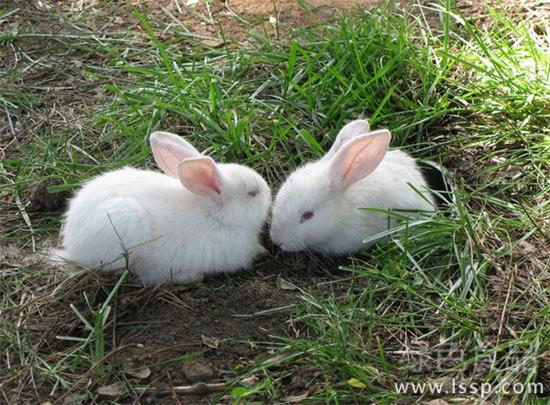
Young rabbits have weak constitutions and poor disease resistance, and are prone to death: an analysis of key points in feeding and management
Young rabbits have weak constitutions and poor disease resistance and are prone to death: key points in the feeding and management of young rabbits
-
What is the best time to collect rabbit skins?
① Collect skins by age in months. At around 6 months of age, the second molt has ended and the fur enters its growth and maturation stage; the hair roots are firmly seated and not easily shed. At the same time, the skin board has basically matured, with good flexibility, toughness and elasticity, and the skin board area has also reached the grading standard. Therefore, collecting skins at 6 to 8 months of age is best, and can improve the grade and economic value of the rabbit skin. ② Collect skins by season. Collecting skins from the end of December to before the end of March of the following year is the best season for obtaining high-grade rabbit skins.
-
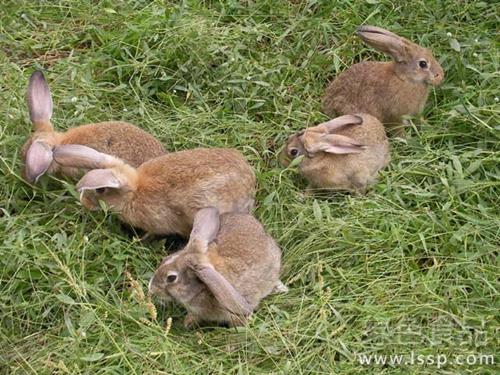
How to prevent and treat cold, pneumonia, diarrhea, mange and constipation in domestic rabbits in winter
Prevention and treatment of common diseases of domestic rabbits in winter: cold, pneumonia, diarrhea, mange and constipation
-
Rabbits Have Particular Water Needs: A Full Breakdown of Scientific Watering Methods
As the saying goes, "Better to lack a handful of grass than a mouthful of water," which fully illustrates the importance of drinking water for rabbits. So, what exactly does water do for a rabbit's growth, what happens after a rabbit is short of water, and how do you give rabbits water scientifically? 1. The role of water in rabbit growth. In the various tissues of a rabbit's body, water accounts for 70%, and in the blood it can reach 80%; the water content of bones, muscles and internal organs is 45%-75%. Not only is water indispensable for the digestion, transport and absorption of nutrients from all kinds of feed, the excretion of waste products and toxins produced by metabolism is also inseparable from water.
条件筛选