What should be noted when free-ranging rabbits?
Out of a pursuit of wild rabbits, many farmers have grown increasingly fond of free-ranging rabbits, and many have gotten involved, hoping to reap a big profit. However, there are many issues to watch out for when free-ranging rabbits, and they are fairly serious, which leads to many people failing at farming them. So what should be noted when free-ranging rabbits? What can affect their growth? Let's find out together below!
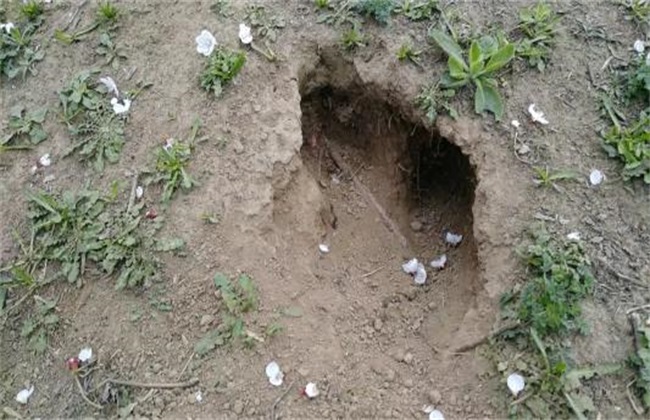
1. Seed stock safety issues
Seed stock for free-ranging rabbits is a big problem. Many farmers think they have bought free-range rabbits, but in reality they may be domestic rabbits that were free-ranged, and their ability to adapt to the wild is poor, leading to a low survival rate in the early stage. Even if you manage to buy true free-range rabbits, they may carry many pathogens, and if preventive measures are not done well, too many may die young. So introducing free-range rabbit breeding stock has taught many farmers a lesson, and when choosing seed stock for free-ranging rabbits, you must really learn how to select high-quality seed stock.
2. Rain issues
Rain is a big test for free-ranging rabbits, especially during the rainy season, when their burrows are very likely to be soaked by rainwater, causing a whole litter to die. Free-ranging rabbits do not dig burrows as well as wild ones, and the holes they dig are generally not deep. Some farmers build certain rabbit shelters inside so they have a place to escape the rain, but you cannot guarantee that all the rabbits will enter that shelter. So it is best to make preparations for rain protection and shade in places where the rabbits dig many burrows; shading can reduce the occurrence of this problem to a large extent.
3. Feeding issues
Feeding is actually also a big problem. The key to free-ranging rabbits is to give them a place where they can move freely, with plenty of food inside. However, because free-ranging rabbits are kept at a relatively high density, the forage in the farming area is definitely not enough for them to eat, so artificial feeding is necessary. This increases the difficulty of feeding. When there is a lot of food, rabbits will be somewhat picky and leave quite a bit behind, but once rabbits are hungry they may even eat spoiled food, which makes it very easy for them to eat something bad when free-ranged. So when feeding, it is best to clean up the feeding area after feeding, and then put out some things like sweet potatoes and carrots for them to eat afterward.
4. Disease issues
Disease has always been the biggest problem in free-ranging rabbits, because the density is relatively high, there is more rabbit manure, and farmers find it hard to clean it up in time since it is scattered in so many places. Rabbits also carry many pathogens, and if they are in contact with manure for a long time, the incidence rate will rise, so this places relatively high demands on daily disinfection and epidemic prevention. Vaccines given in the early stage must also be injected in time. It is best to regularly feed them some food that boosts immunity to maintain the rabbits' resistance.
In fact, sales are also quite a serious issue. Many people like to buy free-range rabbits at the price of greenhouse rabbits, which leads to farmers and buyers often failing to reach an agreement. In addition, there are winter cold protection measures and so on. There are too many uncontrollable factors in wild farming, so everyone must be mentally prepared, since this is not so easy to succeed at.