-
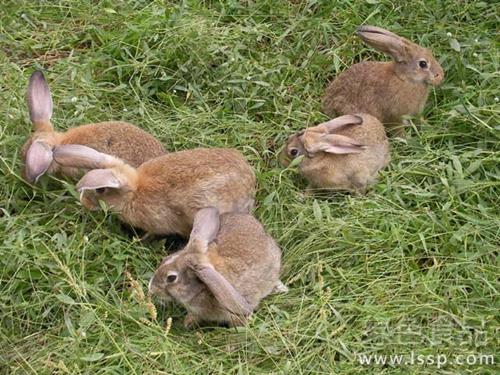
How to prevent and treat cold, pneumonia, diarrhea, mange and constipation in domestic rabbits in winter
Prevention and treatment of common diseases of domestic rabbits in winter: cold, pneumonia, diarrhea, mange and constipation
-
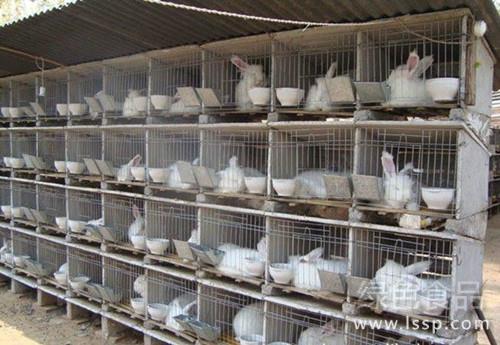
Seven key elements of fattening domestic rabbits, which can effectively improve meat quality and increase output
Fattening can improve meat quality and increase output: the seven key elements of fattening domestic rabbits
-

Rabbits Have Particular Water Needs: A Full Breakdown of Scientific Watering Methods
As the saying goes, "Better to lack a handful of grass than a mouthful of water," which fully illustrates the importance of drinking water for rabbits. So, what exactly does water do for a rabbit's growth, what happens after a rabbit is short of water, and how do you give rabbits water scientifically? 1. The role of water in rabbit growth. In the various tissues of a rabbit's body, water accounts for 70%, and in the blood it can reach 80%; the water content of bones, muscles and internal organs is 45%-75%. Not only is water indispensable for the digestion, transport and absorption of nutrients from all kinds of feed, the excretion of waste products and toxins produced by metabolism is also inseparable from water.
-
Sulfur Liniment Is Effective in Treating Rabbit Mange
Rabbit mange is a common and frequently occurring disease. It is an ectoparasitic disease caused by the rabbit itch mite (Sarcoptes scabiei var. cuniculi) parasitizing the skin of domestic rabbits, and it is highly contagious. If feeding and management are poor, it is easily overlooked, and it tends to break out during the rainy seasons of winter and spring, causing significant economic losses. In previous years, the author treated it with turpentine, camphor oil, 2% trichlorfon and other drugs. Although somewhat effective, multiple treatments were needed for a cure, and there were certain side effects. In recent years, by consulting elderly folk traditional Chinese veterinary practitioners and through repeated practice, the author has used compound sulfur to treat rabbit mange, with very good results.
-
Occurrence Patterns and Control Methods of Rabbit Necrobacillosis
I. Symptoms The sick rabbit loses its appetite, salivates, and develops hard nodules on the lips, oral mucosa, and gums, which then become necrotic and foul-smelling. The swellings sometimes occur on the neck, chest, face, or front of the chest, forming abscesses or ulcers. After the lesions rupture, a foul-smelling discharge flows out, and the course of the disease lasts as long as several weeks or months. The rabbit dies from elevated body temperature, emaciation, and exhaustion. II. Prevention and Control 1. Prevention: Rabbit cages should be free of sharp foreign objects to prevent biting and fighting and to prevent skin injuries. Rabbits should be bred and raised on the farm itself. Breeding rabbits introduced from other places must be isolated and quarantined for 1 month and may only be mixed into the group if they have no other diseases.
-
How can large-scale rabbit farms prevent disease? These new viewpoints are worth reading
Play down treatment, optimize the rabbit herd. Traditional rabbit farming emphasizes treatment over prevention, often turning the rabbit farm into a sanatorium for sick rabbits. To change this situation, some experts have proposed the "five no-treatment" rule for sick rabbits: do not treat rabbits that cannot be cured, do not treat rabbits whose treatment cost is high, do not treat rabbits whose treatment is time-consuming and labor-intensive, do not treat rabbits whose economic value after recovery is not high, and do not treat rabbits that are highly contagious and highly harmful. Practice has proved that after rabbit farms implemented this system, the health status of the rabbit herd improved markedly, virulent infectious diseases were effectively controlled
-
5 practical tips for choosing a young rabbit
Check the build. A young rabbit with good physical development has a well-proportioned body and firm muscles, with no protruding bones visible at the shoulders, back or hindquarters; when touched, the chest is wide and deep, and the back is also wide. Check nutrition. A well-nourished young rabbit has full muscles, smooth fur, and no sharp, protruding bone edges, and can weigh more than 500 grams at weaning. Check posture. A healthy young rabbit has a natural posture and moves flexibly and coordinately. When crouching, the front legs are extended and the hind legs are placed under the body; when sleeping, the eyes are closed and breathing is faint; in summer it often lies on its side, lies prone and stretches out
-
Belgian Rabbit (also known as the Giant Grey Rabbit, Flemish Giant)
Breed characteristics: This breed is a relatively old large meat breed. It originated from the wild European rabbit in Belgium and was later improved and developed in England. Its body shape and appearance closely resemble the wild hare, with coat color in dark red with yellowish-brown or sesame (agouti) shades, a large body, and long body and limbs. The eyes are dark brown, the ears are large, long, and erect, with bright black fur edging along the ear rims. The coat texture is tough. Adult weight is 5-6 kg, with a maximum of up to 9 kg. During the kit and young rabbit stage, growth and development are fast; at 6 weeks of age, weight can reach 1.2-1.3 kg, and at 3 months of age, weight can reach 2.8-3.
-
What are the prevention and treatment methods for Clostridium perfringens diarrhea in rabbits?
The disease is an acute intestinal infectious disease of rabbits caused by Clostridium perfringens type A, characterized by severe diarrhea, foul-smelling excreta and rapid death. Etiology The pathogen is Clostridium perfringens type A. Epidemiology Except for suckling young rabbits, domestic rabbits of different ages, breeds and sexes are all susceptible to this pathogen. The incidence is highest in young rabbits aged 1 month to 3 months. Infection occurs mainly through the digestive tract or damaged mucosa. Predisposing factors include improper feeding and management, shortage of green feed, low crude fiber content,
-
Why do rabbits eat their own soft droppings?
In the process of raising domestic rabbits, we see that the hard fecal pellets they excrete are formed through a second round of digestion. Domestic rabbits eat grass and feed during the day, and excrete soft droppings at night or before dawn, and as soon as the soft droppings are excreted, they immediately eat them, and only through the second round of digestion and absorption are the residues formed into hard fecal pellets and excreted from the body. When domestic rabbits eat the soft droppings they excrete at night, it is not coprophagia caused by a lack of some nutrient in their body, but a normal physiological phenomenon. This instinct of domestic rabbits has two major benefits: first, it can keep the rabbit hutch and rabbit farm
条件筛选