How to prevent and treat cold, pneumonia, diarrhea, mange and constipation in domestic rabbits in winter
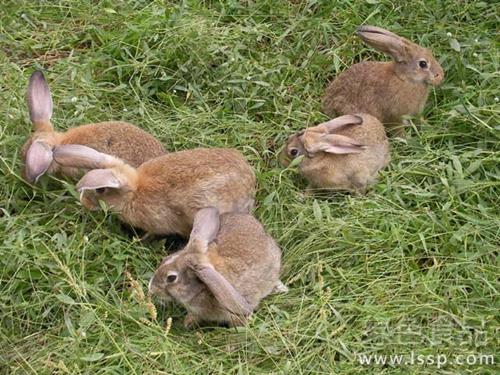
Rabbit
Cold. It is mostly caused by sudden climate changes, a damp rabbit hutch, improper ventilation, or chilling after shearing. When a rabbit gets this disease, its body temperature rises, its eyes look dull as if tearing, and it coughs, has a runny nose and difficulty breathing.
Pneumonia. A rabbit hutch that is too damp, poorly ventilated and accumulates harmful gases, with irritation from foul odors, easily causes pneumonia. After onset, the rabbit is listless, its body temperature rises, its appetite decreases and it has difficulty breathing; if neglected, it can die within 3~4 days.
Diarrhea. It is caused by a rabbit hutch that is too damp, the rabbit getting chilled, eating spoiled or deteriorated food, or a sudden change of feed, or young rabbits overeating. After onset, the appetite decreases, the frequency of defecation increases, and the droppings are loose and watery.
Constipation. It is caused by eating too much dry feed, insufficient drinking water and lack of exercise. The sick rabbit passes few, small, dry and hard fecal pellets, and in severe cases the urine is red.
Mange. Also called "scabies," it is an infectious disease. It generally occurs on the toes and the tip of the nose, then spreads to the eye rims, ear bases, limbs and the whole body, with intense itching, hair loss and the formation of scabs.
Prevention and control measures
Protect against cold and keep warm. In winter, the doors, windows and openings of the rabbit hutch or burrow should be sealed tightly, and straw curtains or cotton curtains should be hung at night. Spread soft grass or waste cotton wadding inside the hutch, and pile extra surrounding grass outside.
Feed scientifically. In winter, feed more green grass, increase the content of energy feed (such as corn) in the daily ration, and at the same time increase protein. Feed high-quality green hay. Pay attention to supplementing multivitamins, especially vitamin A. Pay attention to the palatability of the feed; it is best to moisten the dry feed with water before feeding.
Strengthen management. In winter, collect wool less, bask in the sun more, strengthen exercise and increase light exposure. The rabbit hutch should be cleaned and disinfected frequently, the bedding changed frequently, and the hygiene inside the hutch maintained. Often observe the rabbit's breathing, eyes, ear color, feces shape, appetite, etc., and when sick rabbits are found, isolate and treat them promptly.
Treatment methods
For rabbits with a cold, they can be given ABC tablets orally, 0.5 tablet per rabbit each time, 3 times a day; in addition, use nose and eye drops for the nose, 3 times a day, 3~4 drops each time.
For rabbits with pneumonia, 20,000~40,000 units of penicillin can be injected per kilogram, once a day for 3~5 consecutive days; Chinese herbal medicine can also be used for treatment: Fritillaria cirrhosa, Tussilago farfara, Anemarrhena asphodeloides, Platycodon grandiflorus and Houttuynia cordata, 2 g each, decocted in water and given orally.
Domestic rabbit
For rabbits with diarrhea, oxytetracycline tablets can be administered orally, along with a small amount of baking soda tablets.
For rabbits with constipation, take 10 ml each of vegetable oil and honey, mix well and add an appropriate amount of water, and give orally in 2 divided doses (daily amount); 4 g of mirabilite can also be taken orally with an appropriate amount of boiled water.
For rabbits with mange, they must first be isolated, and the rabbit pen and utensils must be disinfected. After pouring dilute alkaline water on the affected areas of the sick rabbit, treat with medicine: take equal amounts of trichlorfon and sesame oil, mix well and apply to the affected areas, twice a day for 3 consecutive days. Alternatively, mix 3% trichlorfon, 3% boric acid powder, 4% black gunpowder and 90% cool boiled water, and apply to the affected areas, twice a day.