-
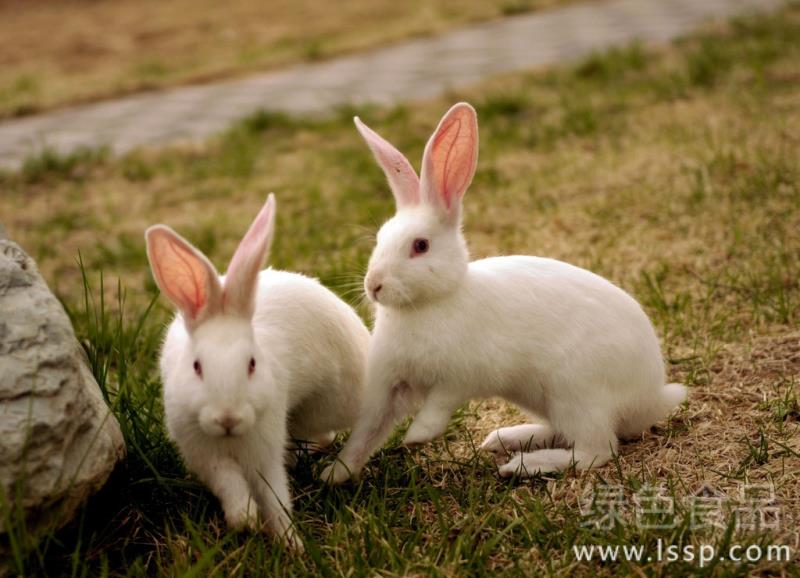
5 contraindications for immune injection in domestic rabbits; only reasonable immunization brings healthy rabbits
Reasonable immunization brings healthy rabbits: 5 contraindications for immune injection
-

How to prevent and treat rabbit bloat? A detailed guide to practical prevention and treatment measures
Rabbit bloat is a digestive disorder caused by gas accumulation in the rabbit's gastrointestinal tract. It occurs mostly in young rabbits, and has shown an upward trend in recent years. 1. Causes: it is generally caused by rabbits overeating large amounts of feed, leading to accumulation of food in the stomach; insufficient exercise also makes it more likely; it can be triggered by gastrointestinal diseases themselves; sudden weather changes, chilling and cold of the rabbit's abdomen can also easily lead to secondary cases. 2. Symptoms: affected rabbits are depressed, squat motionless, feel cold all over (huddling together), and prefer to lie prone; the abdominal circumference is enlarged, with abdominal pain, constant groaning, teeth grinding, and a drum-like sound on tapping, breathing
-
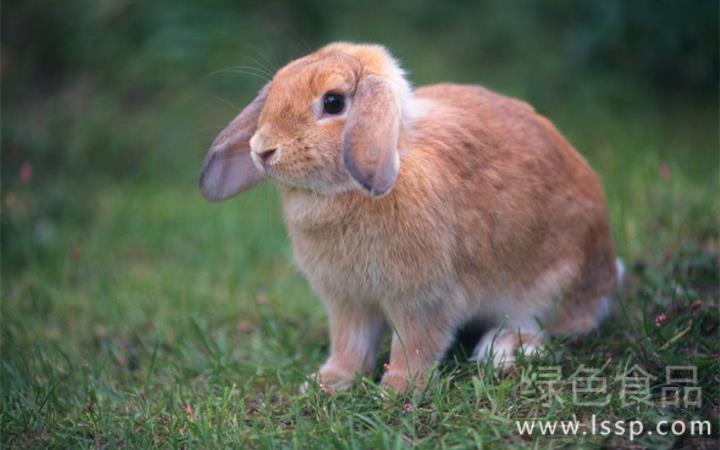
Mastitis in female rabbits can be fatal in severe cases; how can it be prevented?
Mastitis can cause death in female rabbits in severe cases; how to prevent mastitis in female rabbits
-
Silkworm droppings work well as rabbit feed, and rabbit farmers should give them a try
Silkworm droppings have high nutritional value, with a crude protein content of 15.4%, second only to wheat bran and higher than rice bran and green grass, making them an excellent feed for livestock and poultry. Feeding silkworm droppings to livestock and poultry often produces very good results. 1. Feeding silkworm droppings to pigs can save large amounts of concentrated feed; pigs gain weight quickly per unit of time and have a high marketable rate. After sows eat silkworm droppings, milk secretion increases. 2. Feeding silkworm droppings to sheep increases the amount of milk secreted and yields more wool; sheep wool length can reach more than 14 cm. 3. Feeding silkworm droppings to cattle can make
-
Weather changes trigger acute dehydration and death in rabbits, requiring vigilance
In August 2007, an acute intestinal infectious disease characterized by severe diarrhea, dehydration and rapid death occurred in the breeding rabbit flock of a rex rabbit farm. The incidence rate was about 60%, and the mortality rate reached 40%. Based on epidemiology, clinical symptoms and pathological changes, combined with laboratory testing, it was finally diagnosed as Tyzzer's disease in rex rabbits. The relevant situation is reported as follows. I. Onset process: A rabbit farm raised 1000 rex rabbits, of which more than 200 were breeding rabbits. In early August, after 5 consecutive days of local rain and with the temperature exceeding 3
-
What are the preventive measures for rabbit mange? A must-read for rabbit keepers
Rabbit mange, also known as rabbit acariasis, is an external parasitic disease caused by sarcoptic mites or psoroptic mites that live on the surface of the rabbit's body. The disease has a wide reach and a high incidence rate, and is a major disease of rabbits in winter and spring. It is highly contagious, and if not treated in time, affected rabbits can die from gradual emaciation and weakness, making it extremely harmful. Here is an introduction to the disease based on practical experience. Disease characteristics: Rabbit mange occurs mainly in winter and in late autumn and early spring, because in these seasons sunlight is insufficient and the rabbit's fur is long
-
How to prevent rabbit breed degeneration? Master these practical methods
Causes of degeneration: Extensive management and inbreeding. Only emphasizing the rabbit's trait of eating grass without supplementing with concentrated feed causes nutritional deficiency and breed degeneration. Ignoring the blood relationship of breeding rabbits and mating closely related animals causes poor disease resistance in offspring rabbits, slow growth, smaller body size, deformities, and breed degeneration. Lack of strict selection measures: not paying attention to selecting and retaining breeding rabbits according to breed characteristic requirements, often selling off the large, fast-growing, well-conditioned ones first and keeping the small, thin, weak ones to continue raising, causing gradual breed degeneration. Mating
-
Adding fat to rabbits' feed in winter has many benefits
In winter, the weather is cold and temperatures are low. If 2%-3% fat (rendered lard is best, vegetable oil is second best) is added to the rabbit diet, feeding it to rabbits not only improves palatability and promotes healthy growth, but also increases body fat and fat reserves, thereby improving the rabbits' resistance to winter cold. According to many years of practice at the author's rabbit industry base: adding fat to the feed of pregnant does can increase the survival rate of kits by about 10%; adding fat to the diet of does during lactation can significantly increase the weaning survival rate of kits; adding fat to the diet of meat rabbits
-
How to slaughter rabbits, take the hides and tan them more efficiently
Rex rabbit fur has the characteristics of being short, fine, flat, dense and beautiful, is in great demand on the market and commands a high price, but the market also has very high quality requirements when purchasing rex rabbit fur. To sell rex rabbit fur at a good price, raisers should master the following six tips: 1. Feed formulation. The rex rabbit is a dual-purpose rabbit for both fur and meat, and must both grow fur and grow meat. Feed nutrient levels must be high, generally with digestible energy of 11.4-11.9 MJ/kg, crude protein of 18%-19%, crude fiber of 6%-8%, crude fat of 3%-4%, calcium of 0.88
-
How to treat a sneezing rabbit? Learn the correct way to handle it
Answer: Many kinds of diseases can cause a rabbit to sneeze. For example, the common cold, pneumonia, rhinitis, and so on; a further diagnosis should be made before treatment. For the common cold, oral cold granules, Ganmaotong, and similar medicines can be given, while for pneumonia and rhinitis, streptomycin, kanamycin, florfenicol, and similar drugs are used by intramuscular injection or nasal drops.
条件筛选