-
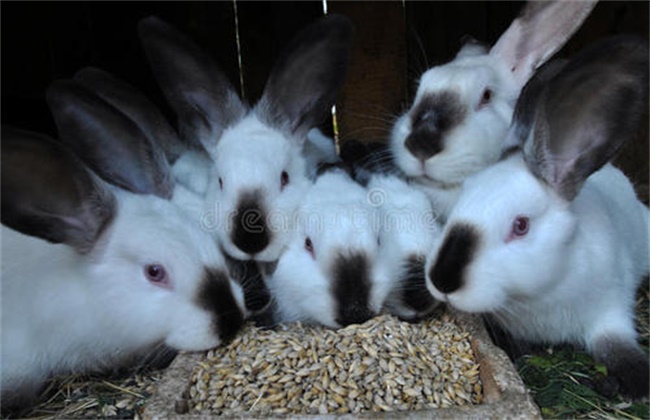
How to raise young rabbits? Master these feeding and management points
Key points for feeding and managing young rabbits
-
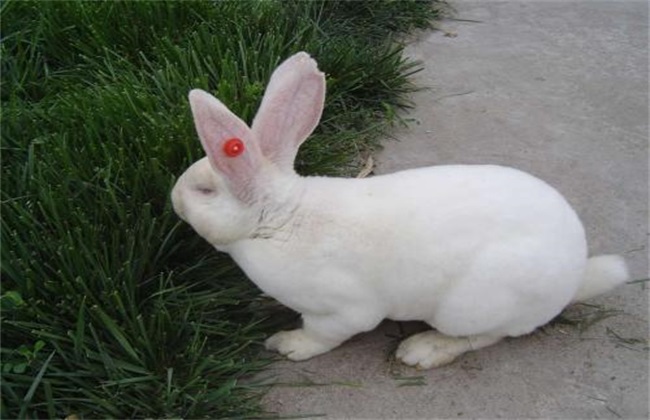
How to select breeding stock for meat rabbits? Mastering these key points is crucial
Key points for selecting breeding stock for meat rabbits
-
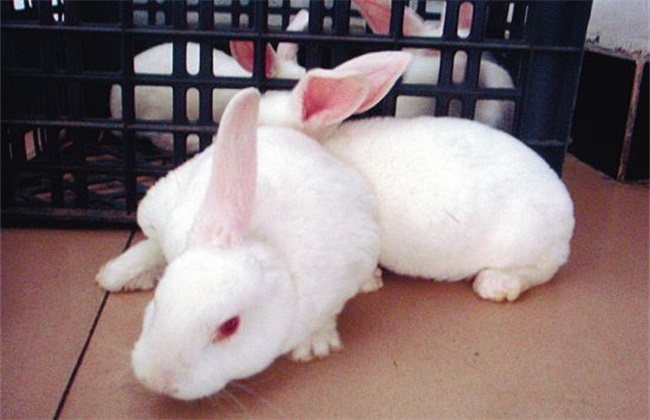
What are the precautions for breeding rex rabbits? Farmers need to master these points
Precautions for breeding rex rabbits
-

What preparatory work needs to be done before raising Rex rabbits
What should be prepared before raising Rex rabbits? Early-stage preparations for Rex rabbit farming
-
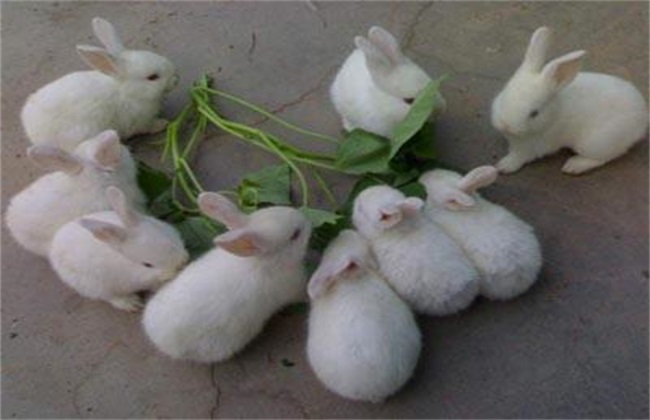
How to raise rabbits so they grow fast? A detailed explanation of breeding methods
How to raise rabbits so they grow fast
-
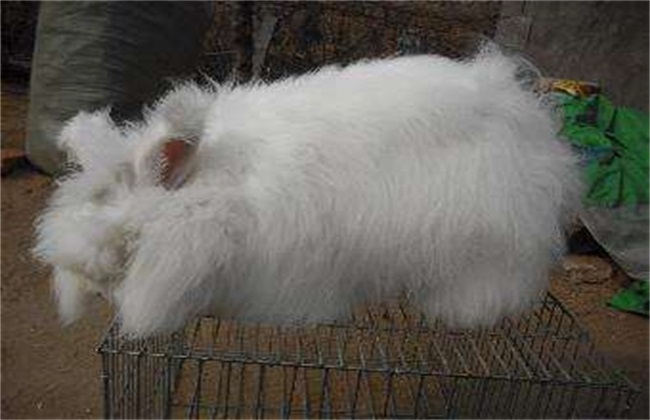
How to improve the quality of angora rabbit wool? These breeding methods are very practical
How to improve the quality of angora rabbit wool
-

Ten Proven Recipes for Fattening Thin Rabbits in Autumn and Winter
After making it through the hot summer, most domestic rabbits are weak and thin, so as soon as autumn begins you must hurry to increase their feed and build them up, in order to improve their strength and productivity. The following methods can be used to fatten thin rabbits in autumn and winter. 1. For rabbits with coarse, messy fur and poor spirits, take an appropriate amount of tea leaves, plus 15 grams each of Clubmoss (Huperzia) and honeysuckle, decoct into a liquid and administer orally, twice a day, 10-15 ml per rabbit each time, for 3-5 consecutive days, with marked effect. 2. Dissolve 5-7 grams of white sugar per rabbit per day in warm water and let the rabbit drink it freely. Generally after 15-20 days
-
How to prevent and treat rabbit salmonellosis? These methods you need to know
Caused by Salmonella typhimurium and Salmonella enteritidis, it mainly affects pregnant female rabbits, characterized by septicemia, acute death, diarrhea and abortion, and mainly affects female rabbits more than 25 days pregnant. Symptoms: the incubation period is 1 to 3 days; acute cases die suddenly without showing any symptoms; most sick rabbits have diarrhea, elevated body temperature, listlessness, complete loss of appetite, increased thirst, and emaciation; female rabbits discharge viscous, purulent secretions from the vagina. Lesions: the liver shows diffuse or scattered yellow pinpoint-sized
-
What are the key points for identifying healthy rabbits versus sick rabbits?
1 Observing demeanor: A healthy domestic rabbit has bright, spirited eyes, is active and alert, and responds quickly. It rests lying flat or on its side; when awake its eyes are fully open, when dozing its eyes are half-closed, and when sleeping its eyes are fully closed. At the slightest disturbance, it immediately raises its ears and lifts its head. If a rabbit is found to respond slowly and have dull eyes, it is sick. 2 Testing appetite: A healthy rabbit has a strong appetite, eats a lot and quickly, and chews vigorously. Before food is even added, it grabs the cage door with its front paws, jumps, and eagerly seeks food. If a rabbit is found not eating feed or moving very slowly, wanting to eat but not eating, this indicates illness,
-
What are the precautions for feeding vegetables to rabbits?
The water content of vegetables is about 85%, and their crude fiber content is low, giving them good palatability. Rabbits tend to overeat them. Feeding vegetable leaves to young rabbits within 90 days of age will cause diarrhea in the young rabbits within just a few days. If rabbits develop diarrhea after eating vegetables, stop feeding vegetables, increase the feeding of green hay and dry leaves, and mix 2% charcoal powder or 2% medicinal charcoal into the mixed feed or compound feed for treatment. When the soil where vegetables are grown has been heavily fertilized with nitrogen, treated with herbicides, or when the vegetables are affected by pests, drought, or insufficient sunlight and turn red, their nitrate content increases. Rabbits overeat vegetable leaves and thus take in more nitrate
条件筛选