How to raise young rabbits? Master these feeding and management points
Young rabbits are relatively difficult to manage, and even minor illnesses can lead to major problems, so during feeding and management, many issues need careful attention. So to maintain breeding efficiency and survival rates of young rabbits, what key points should be noted?
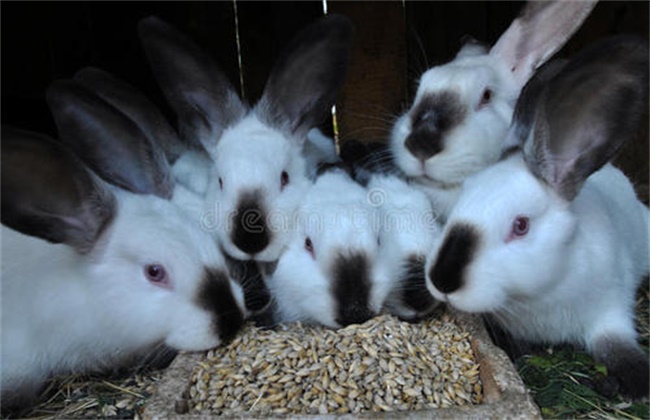
1. Temperature control
When it comes to temperature, everyone knows that young rabbits need high temperatures, but in fact this temperature is also limited, and it is not just about high temperatures. Some friends will say that it is clearly a high temperature, so why do their rabbits still have problems caused by temperature? In fact, young rabbits only need to be kept at 30-34°C within the first week after birth; afterwards it needs to be gradually lowered, and continuing to maintain a high temperature is not conducive to the growth of young rabbits.
2. Starter feed supplementation
Generally, female rabbits give birth to more young rabbits, so many have insufficient milk, meaning they cannot give all the rabbits adequate nutrients. At this time, starter feed supplementation is needed. This allows the weaker young rabbits to also get adequate nutrients, preventing poor development. The supplement here should be relatively close to the milk; besides nutrition, the taste should also be similar, so that the young rabbits will eat it and will not be unsettled by it.
3. Reasonable grouping
Grouping is also a key point. Newborn rabbits have poor resistance, so generally they are not suitable for too-dense raising, and grouping is usually required. When grouping, you can also allocate more young rabbits to those with fewer young rabbits, so that the female rabbit's milk can be fully utilized. This ensures both the nutritional needs of the young rabbits and the safety of each rabbit group. After grouping, pay more attention to whether there are abnormalities; some young rabbits will show abnormal conditions, so pay more attention to this.
4. Hygiene
Hygiene goes without saying; it is absolutely a very important point. However, hygiene for young rabbits is divided into two aspects: one is related to the female rabbit, and the other is related to the young rabbits themselves. The former is far more important than the latter. Young rabbits themselves are relatively clean, but female rabbits are not necessarily so, so when doing hygiene work, the focus should preferably be on the female rabbit. Young rabbits themselves produce very little excrement and the like, and since they have had little contact with the outside world, they rarely develop diseases from their own issues.
The above are some management points for raising young rabbits. During breeding, be sure to pay more attention to these issues. If young rabbits have major problems, it is best to seek medical attention promptly, especially in areas you do not understand.