-

What are the latest planting methods for Chinese pulsatilla?
Chinese pulsatilla (Pulsatilla chinensis) is a perennial herb of the genus Anemone in the Ranunculaceae family, also known as Naihe grass, white-head grass, and Laogu grass. It mostly grows wild on hillsides, barren slopes, and in fields, and has the effects of clearing heat and detoxifying, cooling blood and stopping dysentery, and drying dampness and killing parasites, with extremely high medicinal value. As demand increases
-
Pests and Diseases of Pulsatilla (Windflower) and the Latest Control Methods
Diseases of Pulsatilla and Their Control: Septoria Leaf Spot. Septoria leaf spot, also called leaf blight, not only appears easily on Pulsatilla but is also very common on other plants. The main symptom is the appearance of small dark brown spots on the leaves, and as time goes on, the small spots
-
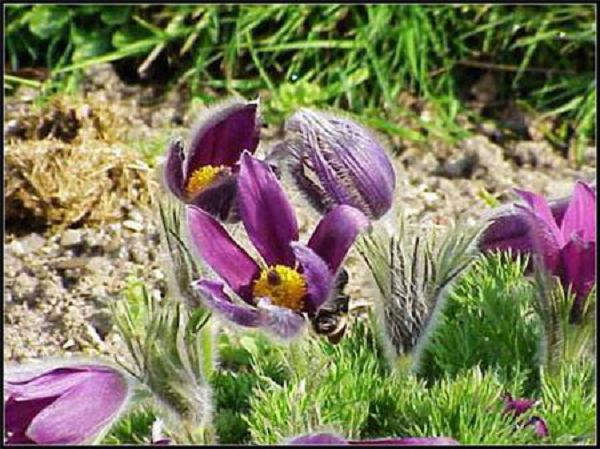
Common Pests and Diseases of Pulsatilla and Their Control Methods
Pests and Diseases of Pulsatilla and Their Control
-
-
What are the effects and functions of the Chinese herb Bai Tou Weng (Chinese pulsatilla root)
What are the effects and functions of Chinese pulsatilla root
-
What to do about bloody diarrhea in dogs? It can be treated with Pulsatilla decoction combined with Licorice and Donkey-Hide Gelatin
Bloody diarrhea in dogs is one of the most common canine diseases in clinical practice. The disease develops extremely rapidly, and treatment with antibiotics yields little or no effect, with a mostly poor prognosis. Pulsatilla decoction plus Licorice and Donkey-Hide Gelatin decoction is a representative formula in human clinical medicine for treating blood deficiency and prolonged diarrhea damaging yin, originating from the Jin Gui Yao Lue (Synopsis of the Golden Chamber). 1. Clinical symptoms: sudden onset, listlessness, fever, thirst with excessive drinking, little or no eating, dry nose, vomiting, diarrhea with pus and blood that is often bright red or purplish red, along with tenesmus, weakened or faint bowel sounds, a crimson tongue body, yellow coating, and a slippery or wiry rapid pulse
-
How to Grow and Care for Chinese Pulsatilla: Methods and Precautions
Soil Chinese pulsatilla is suited to growing in deep soil with good drainage. Sandy soil or clay soil both work, with plenty of base fertilizer added. Light and temperature Chinese pulsatilla loves sunlight very much, but strong direct light should not be allowed to hit it. It is suited to growing in a cool, dry environment, and its cold tolerance is very good.
-
A Detailed Guide to Seed Propagation Methods and Techniques for Pulsatilla
Best Season The best season for seed propagation is still autumn, but it can also be done in spring. If seeds are sown in autumn, the plant can bloom the following spring. However, if seeds are sown in spring, it is very likely that the plant will not bloom that year and will only bloom the following spring, which means a longer wait.
-
-

Planting Methods and Key Technical Points for Pulsatilla chinensis
Planting Methods for Pulsatilla chinensis
条件筛选