What are the effects and functions of the Chinese herb Bai Tou Weng (Chinese pulsatilla root)
Chinese pulsatilla root (Bai Tou Weng) is a perennial herbaceous plant with high utility in traditional Chinese medicine. What are the effects and functions of Chinese pulsatilla root? Next, we will introduce them to you.
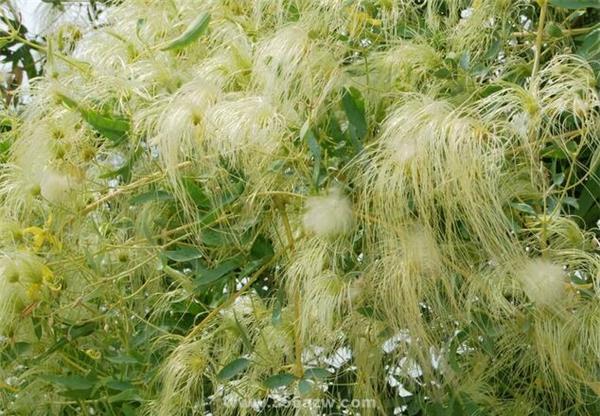
Chinese pulsatilla root is a plant of the Ranunculaceae family, a perennial herb, with aliases such as Naihe Cao, Lao Guan Hua, Mao Zhua Zi Hua, and so on. Chinese pulsatilla root has high medicinal value, and many herbal monographs through the ages have recorded it. Traditional Chinese medicine believes that Chinese pulsatilla root has the effects of clearing heat and detoxifying, cooling blood, improving eyesight, and reducing masses.
Effects and functions of Chinese pulsatilla root
Chinese pulsatilla root has high medicinal value, and as seen from the above herbal monographs through the ages, it has been recorded in many works. Traditional Chinese medicine believes that Chinese pulsatilla root has the effects of clearing heat and detoxifying, cooling blood, improving eyesight, and reducing masses. A poem says: Bitter and warm in nature is Chinese pulsatilla root, mainly entering the heart meridian and kidney meridian, mainly treating warm-disease mania, and also dispersing accumulations, masses, and abdominal masses. Goiter, scrofula, and lymphatic nodules can all be dispersed, and nosebleeds and incised wounds can also be calmed. Inguinal hernia is cured and unilateral swelling healed, and bald sores with a rank odor can also be treated. Abdominal pain, bone disease, and toothache are stopped, and red dysentery can clear the toxin. Intestinal grime can be scraped clean, and with wine as an assistant its effect is especially efficacious.
Functions of Chinese pulsatilla root
Chinese pulsatilla root is bitter in taste and cold in nature; it enters the stomach and large intestine meridians, and has the effects of clearing heat and detoxifying, cooling blood and stopping dysentery, and drying dampness and killing parasites. It mainly treats heat-toxin dysentery, nosebleeds, bloody hemorrhoids, vaginal discharge, genital itching, carbuncles and sores, and scrofula.
The functions and effects of Chinese pulsatilla root have had merit since very early times, and there are clear records in many of our medical books. The records explain in detail that Chinese pulsatilla root enters the foot Yangming meridian in summer and hides in the hand Yangming meridian, and can disperse downward, remove heat and cold blood, and has many other functions. Those effective functions and effects all come from very rich clinical experience and have been identified through pharmacognosy research.
The story of Chinese pulsatilla root
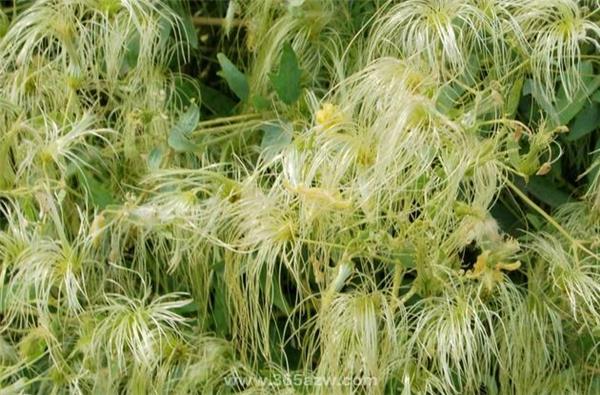
Cooling blood and stopping dysentery: Chinese pulsatilla root
It is said that in the Qin Dynasty there was a farmer named Wang Shang, who suffered from abdominal pain and dysentery after eating a bowl of spoiled rice. There was no doctor in the village, so he had to clutch his stomach and go outside the village to find someone to treat him. Unexpectedly, not far after leaving the village, he collapsed by the roadside because the abdominal pain and diarrhea worsened.
At this time, an old man with white hair came walking with a cane. Seeing him lying on the ground, he hurriedly helped him up. Wang Shang groaned and described his illness, then shook his head and said: Old man, I fear I am finished. Please send a message to my family! While comforting Wang Shang, the old man pointed with his cane at the wild grasses by the road that bore white-haired fruits, and said: The rhizome of this grass can cure your illness. After saying this, the old man hurried away.

Wang Shang was half doubtful and half believing, and pulled up a handful of the grass and chewed it. Strangely enough, after about half a shichen, he felt the abdominal pain lessen and the number of dysentery episodes decrease. Afterwards, he propped himself up, gathered a bundle of the medicinal herb, and staggered home carrying it on his back. Every day he decocted its roots, stems, and leaves into a soup and took it, and after 5 days he recovered from the illness.
In the summer of the following year, dysentery broke out in the village. Wang Shang remembered the medicinal herb the white-haired old man had pointed out, and the matter of it curing his own abdominal pain and dysentery, so he carried a hoe to the original place, dug up several large bundles of the medicinal herb, and decocted it into soup to treat the villagers' dysentery, and the result was indeed remarkably effective. After that, in order to commemorate that white-haired old man, people named this medicinal herb Bai Tou Weng (Chinese pulsatilla root).
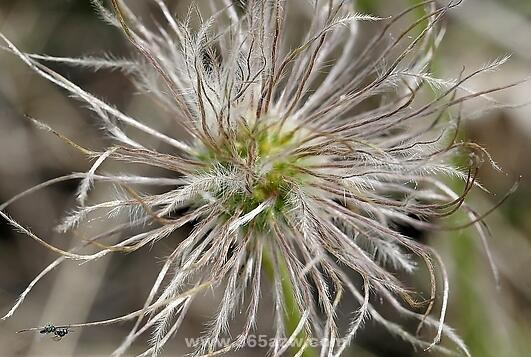
Chinese pulsatilla root, also known as Bai Tou, Mao Gu Duo Hua, Lao Gong Hua, Lao Weng Hua, and Naihe Cao, is the root of the Ranunculaceae plant Chinese pulsatilla. It is bitter in taste and cold in nature. It can clear heat and detoxify, and cool blood and stop dysentery. Its medicinal components are mainly saponins, pulsatilla lactone, and so on.
The effects and functions of Chinese pulsatilla root are introduced here today. We hope everyone will like today's shared content.