The efficacy and effects of Pulsatilla chinensis (Chinese anemone) are mainly reflected in clearing heat and detoxifying, as well as cooling the blood and stopping dysentery.
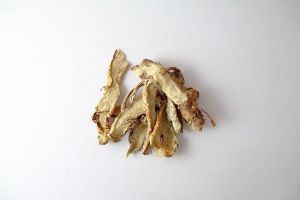
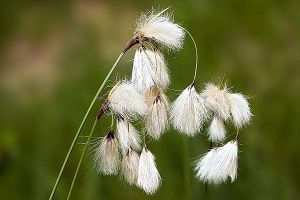
Pulsatilla chinensis (Chinese anemone) is a perennial herbaceous plant of the Ranunculaceae family, named for the dense white feathery hairs on its fruit, which resemble the white head of an old man. It is mainly distributed in the northern regions of our country, commonly found on hillside grasslands and forest edges, and the dried root is the part used as medicine.
In the theory of traditional Chinese medicine, Pulsatilla chinensis is cold in nature and bitter in taste, with the effects of clearing heat and detoxifying, cooling the blood and stopping dysentery. It is traditionally used for symptoms such as damp-heat diarrhea and dysentery and bloody stool, and is one of the commonly used medicinal materials for treating dysentery. Its root contains saponin components, and related applications mostly revolve around the direction of clearing heat and detoxifying; specific use should be based on professional guidance.
Pulsatilla chinensis has a long history of medicinal use. The classic formula Pulsatilla Decoction uses it as the main drug, often combined with Coptis chinensis, Phellodendron amurense, and Fraxinus rhynchophylla to relieve the discomfort caused by heat dysentery. However, its medicinal nature is on the cold side, so those with deficiency-cold of the spleen and stomach should not take it for a long time or in large doses, and pregnant women and people with special constitutions should consult a doctor first, and must not use it on their own for a long time.
Besides its medicinal value, Pulsatilla chinensis blooms in early spring, and its flower colors are light and elegant with good ornamental value, so it can be used in flowerbeds and flower borders. When cultivating, soil with good drainage should be chosen; it prefers a cool climate and dislikes waterlogging, and daily management is relatively extensive. When purchasing the medicinal material, those with thick, strong roots, dry, and free of mold are preferred, and it can be stored in a cool, dry place.
Related Reading