-

Rice management aims to nourish the roots, protect the leaves and promote tillering
Wang Shengxuan, associate researcher at the Grain Crops Research Institute of the Provincial Academy of Agricultural Sciences, believes that every year when the rainy season arrives, regional heavy rainfall occurs in the rice-growing areas in both the north and south of the province, and waterlogging causes disasters in some areas, especially for rice planted in lower-lying paddy fields, where some rice seedlings are submerged to the top. After being flooded, the rice root system and leaves are severely damaged, the plant's normal physiological metabolism and stress resistance are severely weakened, and the total number of stems and tiller seedlings drops sharply. If flooded paddy fields do not receive timely and effective management, it will inevitably cause a large reduction in yield, or even a total loss. Therefore, scientific remedial measures must be taken promptly for flooded paddy fields
-
What are some practical methods for protecting fish and soft-shelled turtles from the cold in winter?
1. Pond selection: Choose a deep-water pond (over 2 m deep) that is sheltered from the wind and faces the sun for natural overwintering. The water in the overwintering pond should not remain stagnant for long periods; usually replace part of the pond water every 20 to 30 days, each time replacing 1/4 to 1/5 of the total pond water, to prevent pond water contamination. 2. Set up windbreaks and cold-shelter holes: On the north side of the pond, a 2 m high windbreak can be built from straw or soil, and on the east and west sides, earthen walls sloping toward the south can be built in a dustpan shape to reduce the impact of the north wind, so that when a cold wave strikes, the water temperature will not drop significantly. Around the pond,
-
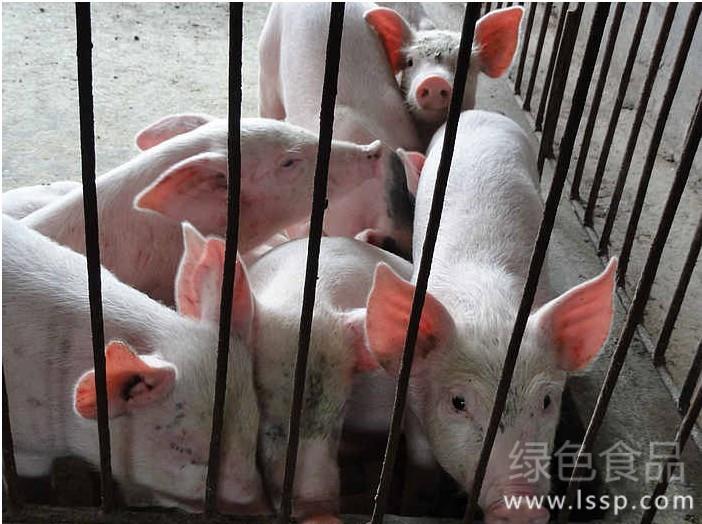
Key points for raising pigs in winter: cold protection and warmth must be done well
Key points for raising pigs in winter: strengthen cold protection and warmth
-
How can cut-flower carnations be effectively protected against gray mold?
Symptoms: Elliptical, brown, large and wet spots first appear on the petals, then gray mold grows on them, and the petals and the whole flower rot as a result; the stems and flower buds can also be infected. Cause: Long-term exposure to low temperature and a humid environment. Control methods: Keep the plants as dry as possible, preferably using drip irrigation for fertilizer and water control; maintain good ventilation; spray 75% chlorothalonil at 500 times dilution, or carbendazim at 500 times dilution, alternating them, spraying once every 7 to 10 days; in the evening, a 10% procymidone
-
Potato Frost Protection and Post-Disaster Mitigation Measures After Snow and Ice Damage
(1) Functions and Uses 1. The effects of low temperatures on seed potatoes during storage and on seed potatoes and young sprouts (seedlings) after sowing. 2. Reduce the severity of snow and ice damage; promote the recovery of potato growth. (2) Technical Measures 1. Preventive measures against frost damage (1) During the storage of seed potatoes, pay attention to keeping them warm. Before low temperatures arrive, take preventive measures: place a straw mat under the seed pile and cover the top of the seed pile with straw mats or other coverings to prevent frost damage. (2) Adjust the sowing period appropriately to prevent frost damage. For
-
Occurrence and Control Methods of Carnation Viral Diseases in Protected Cultivation
Symptom Identification Carnation Vein Mottle Virus Disease When carnation is infected by Carnation vein mottle virus, it infects carnation, China pink (Dianthus chinensis) and American pink (Dianthus barbatus), all producing systemic mosaic, and in winter the old leaves often show symptom masking. Discolored spots appear on the petals, and the symptoms are especially obvious on red large-flowered cultivars. Carnation Latent Virus Disease After carnation is infected by this virus, it generally shows no symptoms, or has mild mosaic symptoms. But when Carnation latent virus and Carnation vein mottle virus infect together, mosaic symptoms are produced. Carnation
-
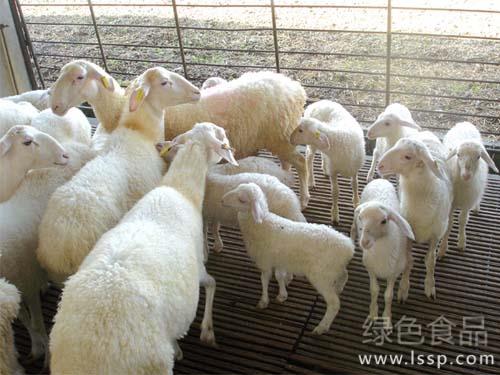
Techniques for Autumn Feeding and Management of Meat Sheep: Careful Management and Protection to Ensure Benefits
Careful Management and Protection to Ensure Benefits: Techniques for Autumn Feeding and Management of Meat Sheep
-
Detailed Cultivation Techniques for Leafy Goji in Protected Culture
Leafy goji, also known as goji shoots, goji berries, goutdiya, digupi, etc., is grown for its tender stems (young shoots), which can be eaten cold-tossed or stir-fried, and can also be used in soups or as a hot pot ingredient. The key cultivation techniques are as follows: 1. Cutting propagation: Because leafy goji is continuously harvested for its young shoots, it generally does not flower or set seed, so cutting propagation is mostly used. ① Cutting time: Take cuttings for seedling production in open ground or protected culture in August-September. ② Selection and treatment of cuttings: Select disease-free, robustly growing plants, take branches that are 1 year old, 0.5-0.8 cm in diameter,
-
Key Technical Points for Protected Cultivation of Leafy Goji (Vegetable Goji)
Every 100 grams of tender stems and leaves of goji contains 5.8 grams of protein, 1.0 grams of fat, 6.0 grams of sugar, 3.96 milligrams of carotene, 0.23 grams of thiamine, 1.1 milligrams of nicotinic acid, and 3.0 milligrams of vitamin C. Regular consumption has health benefits such as improving eyesight, nourishing yin and moistening the lungs, enhancing immune function, and anti-aging. Consumers in southern China are accustomed to using goji tender stems and leaves in soups or stir-fries, and there is considerable demand in some cities; Guangzhou alone has an annual output of about 70,000 tons. Introducing vegetable goji for protected cultivation in the north can both enrich the variety of vegetables
-
How can Gastrodia elata in the Changbai Mountains of Jilin be protected from frost damage in years with little snow?
Wild Gastrodia elata in the Changbai Mountains of Jilin is mostly distributed in high-mountain broad-leaved mixed forests at an altitude of 500-2500 m with cool and humid summers, deep winter snow cover, high ground coverage, a thick layer of fallen branches and leaves, a relatively shallow frozen layer, and loose soil. Wild Gastrodia elata suffers frost damage in winters with little snowfall and a thick frozen layer, and cultivated Gastrodia elata also suffers frost damage when cold-protection measures are inadequate. In both 1981 and 1982, heavy snow sealed the ground, with winter snow 80 cm thick; when the snow was broken open, the frozen layer on the ground was found to be only 3 cm, so neither wild nor cultivated
条件筛选