-

Pigs' drinking water cannot be ignored; raising pigs well requires attention to proper drinking water
Water is an important substance for the life activities of all animals. Pigs are no exception. In pigs, all life and physiological activities, including the digestion and absorption of nutrients, excretion of waste, blood circulation, respiration, and regulation of body temperature, depend on water. Once a pig's body lacks water, its life and physiological activities will be affected, leading to poor digestion and absorption of pig feed, thicker and more concentrated blood, elevated body temperature, and so on, which reduces feed conversion efficiency, increases feeding costs, and lowers breeding profitability. At the same time, it can also hinder pig growth and development and trigger various diseases. 1. Pig drinking water
-
Characteristics, properties, cultivation and utilization of bermudagrass
A species of the genus Cynodon in the grass family (Poaceae), scientific name Cynodon dactylon (L.) Pars., an overwintering annual herb. Also known as wiregrass and "xingyizhi". It is an excellent forage grass, turfgrass and soil-and-water conservation crop. It is distributed throughout the warm regions of the world; in China it is found south of the Yellow River basin. Fibrous roots are fine and tough; it has rhizomes or stolons, with internodes of varying length; the part of the stem lying flat on the ground reaches more than 1 m in length and roots and branches at the nodes, while the upright part is 10-30 cm tall; leaves
-
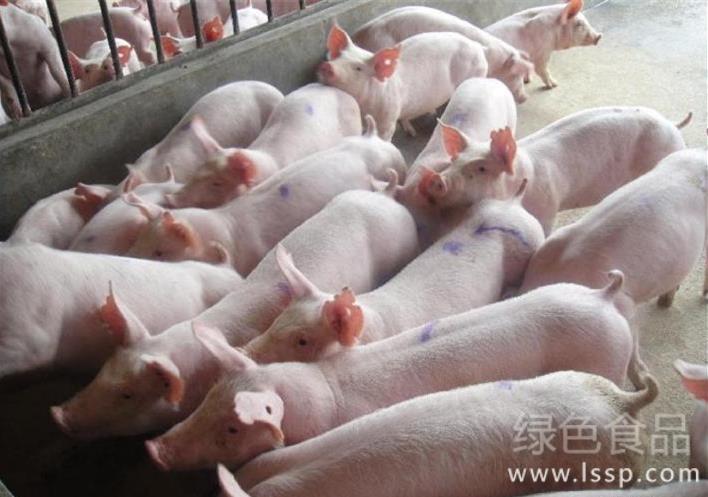
Sweet potatoes are nutritious, but they must be fed to pigs properly: four taboos to note
Though nutritious, sweet potatoes must be fed properly: four taboos when feeding sweet potatoes to pigs
-
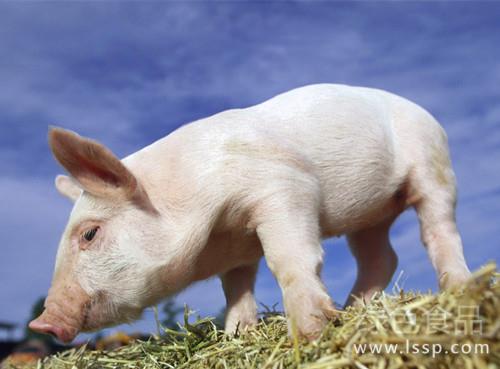
Improper management of piglets born in winter can easily lead to death; how to keep them alive
Cold winter, improper management makes piglets prone to death, how to keep winter-born piglets alive
-
How can gilts be vaccinated properly and thoroughly?
1. Development and importance of good immunity in gilts. After a pig receives its first vaccine injection, corresponding antibodies will be produced after a certain period of time. At this point, the antibody titer is low and the duration of maintenance is short, and it does not yet have the ability to resist pathogen invasion, but it lays the foundation for establishing effective immunity later, so this immunization is called basic immunization. If the same vaccine is administered again within a certain period afterward, it can induce a recall response of memory cells produced after the first vaccination, which can rapidly produce antibodies with high titer and longer duration in a short time.
-
How to reduce cotton square and boll shedding? Proper management is key
There are three main causes of cotton square and boll shedding: First, physiological shedding, which is also the main cause of shedding. Due to the interaction between meteorological conditions and nutritional conditions, the metabolism within the cotton plant is disrupted, nutrition is insufficient, and physiological shedding of squares and bolls occurs. Second, unfavorable meteorological conditions aggravate disease and pest damage. Pests such as cotton aphids and red spider mites bite and feed on leaves, reducing the photosynthetic capacity of the leaves, causing nutritional deficiency in squares and bolls and increasing shedding. Excessive spraying, overly high pesticide concentration, and too-short spraying intervals and other pesticide damage will also increase
-
Proper drought and disease prevention management during the garlic scape development period
The garlic scape development period is the reproductive growth stage of garlic, mainly including the flower bud differentiation stage and the scape elongation stage. The differentiation of flower buds and bulbils is a critical period in garlic growth and development, and smooth differentiation helps increase yield. The scape elongation stage refers to the period from when the scape begins to elongate until the scape is harvested after the tail-flicking stage, about 30 days. During the garlic scape development period, flower bud differentiation requires temperatures below 10°C; the scape elongation stage requires an optimal temperature of 12°C-18°C. If the temperature is too low, the scape elongates slowly, affecting yield; if the temperature is too high, the scape elongates quickly, the fiber content increases, and quality deteriorates.
-
What to do about pig anorexia? Proper feed formulation is key
When the temperature rises above 35°C, pigs have low feed utilization and slow weight gain. Therefore, in hot seasons, different feeding methods should be given according to the different categories of pigs and their different physiological stages. Boars: feed twice a day, with an additional feeding of green feed or thin feed at noon. Mating and exercise are both carried out in the morning and evening; after mating, do not immediately let them go into water to wallow or spray them with cold water. From 1 pm to 3 pm every day, spray water once on the pigs' bodies and the ground, reduce light to 8-10 hours, and if the number of matings is low, reduce the amount of concentrate feed to prevent
-
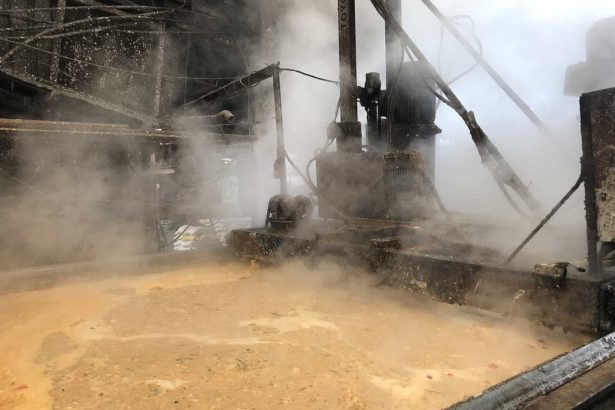
The Battle Over Epidemic Prevention and Food Waste 01"A Close Look at Pig Farming with Food Waste: Pig Farmers Say, "This Is Our Life and Property, We Fear the Disease More Than Anyone!"
The Battle Over Epidemic Prevention and Food Waste 01"A Close Look at Pig Farming with Food Waste: Pig Farmers Say, "This Is Our Life and Property, We Fear the Disease More Than Anyone!"
-
Bagging and Unbagging Peach Fruit: Proper Timing and Classification Are Key
Editor's note: Fruit bagging can effectively reduce fruit cracking and mechanical damage, improve the color of the fruit surface, greatly enhance the fruit's marketability, and also prevent and control pests and diseases, reduce pesticide use, and lower pesticide residues. To help farmer friends master this technique, we have specially invited relevant experts to introduce bagging techniques for peach, kiwifruit, citrus, pear, grape, and other fruits. In this issue, we introduce kiwifruit and peach bagging techniques. The kiwifruit bagging technical measures are: bag selection, fruit thinning, fruit setting, pesticide spraying, bagging, protection,
条件筛选