-
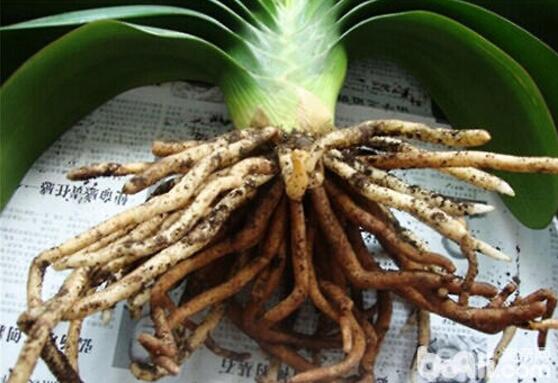
What to do about root rot in Clivia? Improper fertilizing is the main cause, 5 tricks to easily solve it
Clivia (Clivia miniata) is certainly familiar to flower lovers. It is an excellent indoor plant, not only extremely ornamental but also remarkably effective at beautifying the environment and for medicinal use. The benefits of Clivia have attracted many people to grow it, but during the growing process, improper care often leads to root rot. So what should you do about Clivia root rot?
-

How long is the flowering period of cyclamen? With proper care through the four seasons, it can bloom for 5 months
Cyclamen (Cyclamen persicum), a fairly common ornamental plant, is deeply loved by flower enthusiasts for its bright colors and pleasant fragrance. When a cyclamen blooms, it is undoubtedly at its most beautiful. So when does cyclamen bloom? And how long does the cyclamen flowering period last? Actually, cyclamen usually blooms from January to March, but with proper care
-
How to grow potted honeysuckle? Growing methods and proper watering tips
Honeysuckle is a very common flowering plant. Its faint floral fragrance is very pleasant, and it is deeply loved by people. Especially on country paths, honeysuckle can be seen everywhere. With the advancement of potting techniques, honeysuckle can also be grown in pots at home, but many people do not know how to grow honeysuckle.
-
When does potted honeysuckle bloom? Prune properly after flowering
Honeysuckle is a common flowering plant in everyday life. Every year when honeysuckle is in full bloom, walking along a country path you can smell its faint floral fragrance. Honeysuckle's unique scent is deeply loved by people. But many people still do not know when honeysuckle blooms
-
Proper preservation and storage of garlic scapes brings high value-added benefits
Garlic scapes should be harvested at the curved-scape stage, generally in mid-May in Shandong. The best harvesting method is pulling the scape, as this causes a small wounded area; if cut, the wounded area is large and prone to mold infection. After purchasing garlic scapes, transport them promptly to the storage site and avoid mechanical damage. When sorting the garlic scapes, remove the scape sheath, cut off the fibrous base portion, and discard damaged, rotten, overly swollen scape bulbs and excessively thin scapes. Then tie the garlic scapes into bundles, align the scape bulbs, and bind them straight and tight. Before loading into the warehouse, the warehouse must be disinfected by burning 5-10 grams of sulfur per cubic meter
-
Bagging and Unbagging Peach Fruit: Proper Timing and Classification Are Key
Editor's note: Fruit bagging can effectively reduce fruit cracking and mechanical damage, improve the color of the fruit surface, greatly enhance the fruit's marketability, and also prevent and control pests and diseases, reduce pesticide use, and lower pesticide residues. To help farmer friends master this technique, we have specially invited relevant experts to introduce bagging techniques for peach, kiwifruit, citrus, pear, grape, and other fruits. In this issue, we introduce kiwifruit and peach bagging techniques. The kiwifruit bagging technical measures are: bag selection, fruit thinning, fruit setting, pesticide spraying, bagging, protection,
-
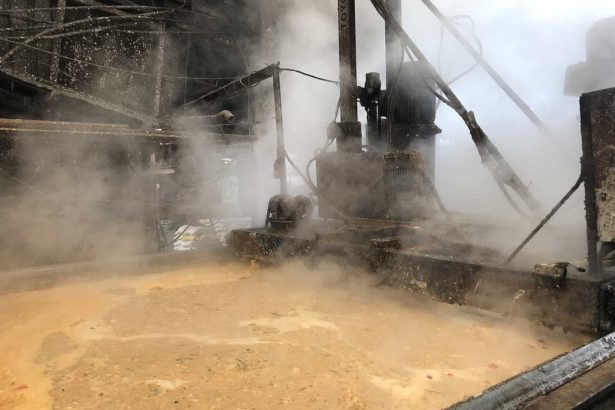
The Battle Over Epidemic Prevention and Food Waste 01"A Close Look at Pig Farming with Food Waste: Pig Farmers Say, "This Is Our Life and Property, We Fear the Disease More Than Anyone!"
The Battle Over Epidemic Prevention and Food Waste 01"A Close Look at Pig Farming with Food Waste: Pig Farmers Say, "This Is Our Life and Property, We Fear the Disease More Than Anyone!"
-
What to do about pig anorexia? Proper feed formulation is key
When the temperature rises above 35°C, pigs have low feed utilization and slow weight gain. Therefore, in hot seasons, different feeding methods should be given according to the different categories of pigs and their different physiological stages. Boars: feed twice a day, with an additional feeding of green feed or thin feed at noon. Mating and exercise are both carried out in the morning and evening; after mating, do not immediately let them go into water to wallow or spray them with cold water. From 1 pm to 3 pm every day, spray water once on the pigs' bodies and the ground, reduce light to 8-10 hours, and if the number of matings is low, reduce the amount of concentrate feed to prevent
-
Proper drought and disease prevention management during the garlic scape development period
The garlic scape development period is the reproductive growth stage of garlic, mainly including the flower bud differentiation stage and the scape elongation stage. The differentiation of flower buds and bulbils is a critical period in garlic growth and development, and smooth differentiation helps increase yield. The scape elongation stage refers to the period from when the scape begins to elongate until the scape is harvested after the tail-flicking stage, about 30 days. During the garlic scape development period, flower bud differentiation requires temperatures below 10°C; the scape elongation stage requires an optimal temperature of 12°C-18°C. If the temperature is too low, the scape elongates slowly, affecting yield; if the temperature is too high, the scape elongates quickly, the fiber content increases, and quality deteriorates.
-
How to reduce cotton square and boll shedding? Proper management is key
There are three main causes of cotton square and boll shedding: First, physiological shedding, which is also the main cause of shedding. Due to the interaction between meteorological conditions and nutritional conditions, the metabolism within the cotton plant is disrupted, nutrition is insufficient, and physiological shedding of squares and bolls occurs. Second, unfavorable meteorological conditions aggravate disease and pest damage. Pests such as cotton aphids and red spider mites bite and feed on leaves, reducing the photosynthetic capacity of the leaves, causing nutritional deficiency in squares and bolls and increasing shedding. Excessive spraying, overly high pesticide concentration, and too-short spraying intervals and other pesticide damage will also increase
条件筛选