-

How can gilts be vaccinated properly and thoroughly?
1. Development and importance of good immunity in gilts. After a pig receives its first vaccine injection, corresponding antibodies will be produced after a certain period of time. At this point, the antibody titer is low and the duration of maintenance is short, and it does not yet have the ability to resist pathogen invasion, but it lays the foundation for establishing effective immunity later, so this immunization is called basic immunization. If the same vaccine is administered again within a certain period afterward, it can induce a recall response of memory cells produced after the first vaccination, which can rapidly produce antibodies with high titer and longer duration in a short time.
-
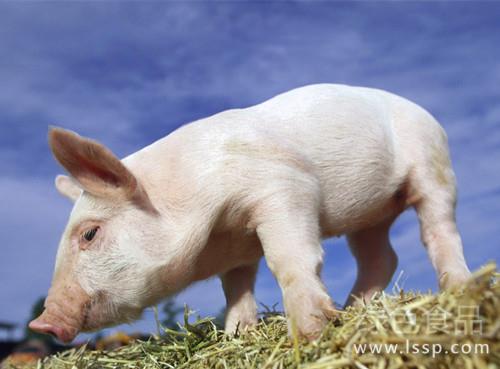
Improper management of piglets born in winter can easily lead to death; how to keep them alive
Cold winter, improper management makes piglets prone to death, how to keep winter-born piglets alive
-
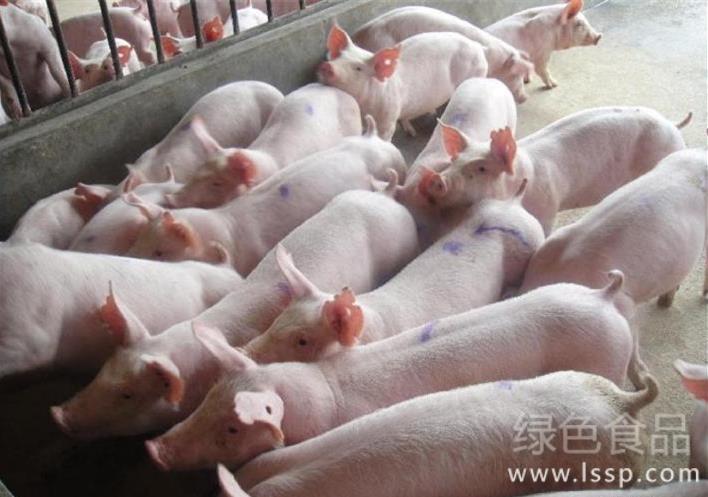
Sweet potatoes are nutritious, but they must be fed to pigs properly: four taboos to note
Though nutritious, sweet potatoes must be fed properly: four taboos when feeding sweet potatoes to pigs
-
Characteristics, properties, cultivation and utilization of bermudagrass
A species of the genus Cynodon in the grass family (Poaceae), scientific name Cynodon dactylon (L.) Pars., an overwintering annual herb. Also known as wiregrass and "xingyizhi". It is an excellent forage grass, turfgrass and soil-and-water conservation crop. It is distributed throughout the warm regions of the world; in China it is found south of the Yellow River basin. Fibrous roots are fine and tough; it has rhizomes or stolons, with internodes of varying length; the part of the stem lying flat on the ground reaches more than 1 m in length and roots and branches at the nodes, while the upright part is 10-30 cm tall; leaves
-
Pigs' drinking water cannot be ignored; raising pigs well requires attention to proper drinking water
Water is an important substance for the life activities of all animals. Pigs are no exception. In pigs, all life and physiological activities, including the digestion and absorption of nutrients, excretion of waste, blood circulation, respiration, and regulation of body temperature, depend on water. Once a pig's body lacks water, its life and physiological activities will be affected, leading to poor digestion and absorption of pig feed, thicker and more concentrated blood, elevated body temperature, and so on, which reduces feed conversion efficiency, increases feeding costs, and lowers breeding profitability. At the same time, it can also hinder pig growth and development and trigger various diseases. 1. Pig drinking water
-
Gui Green No. 1: Introduction to a national-level improved tea tree variety with Guangxi's independent intellectual property rights
Tea is an important economic crop in China, and in particular one of the pillar industries for poverty alleviation and prosperity in the mountainous areas of Guangxi. With the rise of organic tea (green food) production, some varieties with resistance to pests and diseases and strong adaptability have received attention. Varieties determine characteristics such as the sprouting period of tea trees, processing suitability, quality traits and resistance. To develop tea production, tea products must be early to market, distinctive, of superior quality and favorable in price to be in a position to seize the market. Therefore, to make Guangxi's tea industry strong and large, we must start from the "source" - adopting superior
-
Proper removal of silkworm excrement can effectively reduce the occurrence of silkworm diseases
Silkworm excrement not only harbors the pathogens of viral flacherie, but is also a breeding and transmission site for the pathogens of many silkworm diseases such as empty-head soft rot, bacterial soft rot, and muscardine. Data show that when pathogen-carrying silkworm excrement from spring-reared silkworms is left for 15 days and then comes into contact with mulberry leaves, it can cause the incidence of midgut-type viral flacherie in silkworms that eat those leaves to reach 75%; when pathogen-carrying silkworm excrement from late-autumn-reared silkworms is left for 1 day and then comes into contact with mulberry leaves, it can cause the incidence of midgut-type viral flacherie in silkworms that eat those leaves to reach 60%, and after 7 days the incidence reaches 100%. Therefore, during routine rearing,
-
Three key steps for storing Gastrodia elata properly
Recently, I have received letters from many farmer friends asking how to store Gastrodia elata seed tubers. During the production of Gastrodia elata, seed rot often occurs, causing losses. In my opinion, three key steps should be taken when storing Gastrodia elata. First, the harvest step. Gastrodia elata is dug in spring and winter. When digging Gastrodia elata in winter, select fresh, pest-free, undamaged small tubers, air-dry them for 1-2 days to remove part of the moisture, and then store them together for use as seed the following year. Second, the temperature step. Place the partially air-dried Gastrodia elata seed tubers in layers in a brick pond, a large earthen basin or a wooden box
-
How should soybeans be harvested properly? A full breakdown of the key methods
Soybeans should be harvested promptly once mature. If harvesting is too late, the pods lose too much moisture and are prone to shattering and dropping seeds, causing losses. The suitable harvest period should be determined according to different harvest methods. When harvesting with a sickle, begin harvesting after all soybean leaves have fallen, as nutrient transport to the seeds has essentially stopped by then. Mechanical harvesting must be done after the whole plant is fully mature and dry. Manual harvesting is best done in the morning, when the soybean plants have a higher moisture content, so they do not prick the hands and are less prone to pod shattering. A low stubble height is required, with no "horse ears" left exposed and no missed cutting.
-
Detailed explanation of honey storage methods: proper preservation keeps it from spoiling
Proper storage of honey is an important part of ensuring its quality, so during storage the following points should be noted: 1. Honey is an acidic, viscous liquid that is corrosive to metals such as zinc, iron and aluminum as well as to plastic buckets. To avoid contaminating the honey, do not use metal containers without food-grade coating or plastic buckets to store honey; instead, use containers such as glass bottles and porcelain jars. 2. Honey is highly hygroscopic and readily absorbs odors, so it must be stored sealed to avoid absorbing water and fermenting, as well as picking up
条件筛选