-

-
-
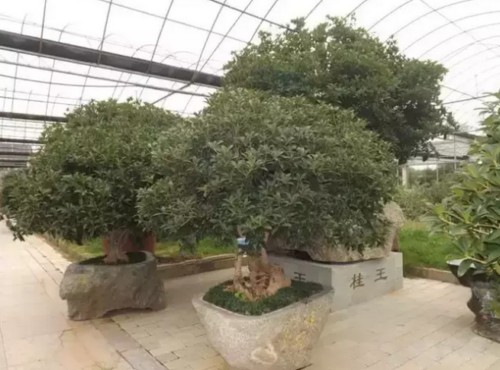
Feng shui considerations for potted plants: Mengshan osmanthus and feng shui flower pots
Bonsai has always been an outstanding traditional garden art ornament in our country. Pairing osmanthus with a feng shui pot is even richer in poetic charm and vitality, and contains elements of traditional Chinese culture. The Mengshan osmanthus feng shui flower pot is made from high-density granite cobbles that have rolled down from the mountain streams and gorges of Mengshan.
-
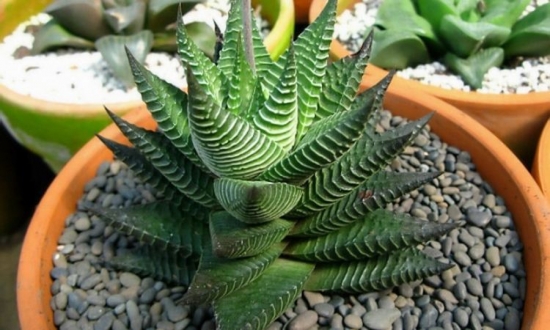
Haworthia Succulent Watering and Care Tips: Deep Pots and Air Permeability Are Key
Haworthia is a relatively popular plant in recent years. It has many varieties and diverse forms, and most plants are small and delicate, elegant and refined, making them very suitable for individual cultivation and appreciation. To grow Haworthia succulents well, attention must be paid to deep pots, shading, and air permeability.
-
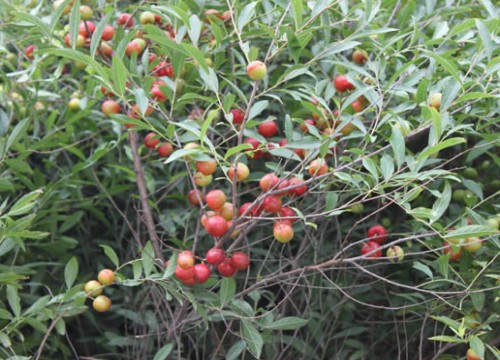
How to grow Chinese pistache in pots? Detailed explanation of sowing methods and cultivation and propagation techniques
In recent years, whenever late autumn comes, there are always people keen to travel elsewhere to admire red leaves. In fact, our native red-leaf tree, the Chinese pistache, has leaves even more brilliantly beautiful than those of the smoke tree, sweetgum, and maple from other places. So, how do you sow seeds to make a Chinese pistache bonsai?
-
Detailed Guide to Propagating Dwarf Burning Bush in Pots
Dwarf burning bush (Euonymus alatus 'Compactus') is a cultivated variety, a deciduous small shrub. The plant grows 1.5-3 m tall. Its leaves are dark green in summer and turn flame red in autumn. The tree is heavily branched with neat, uniform growth, and the top of the canopy is relatively flat. It grows slowly and has a full, rounded form. It is fairly easy to care for and maintain, highly adaptable, and cold hardy. The leaves turn bright red in autumn.
-
How to propagate scutellaria barbata in pots at home? Detailed methods
Scutellaria barbata, also known as large-flowered purslane and sun plant, is an annual herbaceous flower of the Portulacaceae family, semi-erect, about 20 cm tall, with cylindrical alternate leaves, flowers borne at the tips of the branches, blooming profusely, with brilliant colors including bright red, white, yellow, pale yellow, rose red, and snow blue. Because it is tough and easy to grow, suitable for both pots and the ground
-
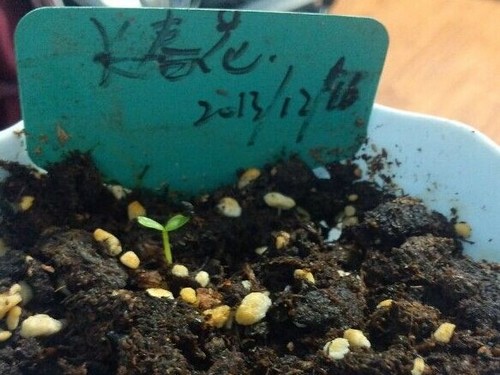
Detailed Guide to Seed Sowing and Propagation of Catharanthus roseus in Pots
Catharanthus roseus has 750 seeds per gram, and the suitable germination temperature is 18-24°C. Spring sowing can be done in April, using a sowing tray filled with a mixed soil of sterilized leaf mold, culture soil and fine sand; germination occurs 14-21 days after sowing. After seedlings emerge, shade for 2-3 hours is needed at noon when light is strong and the temperature is high. When the seedlings are 5 cm tall
-
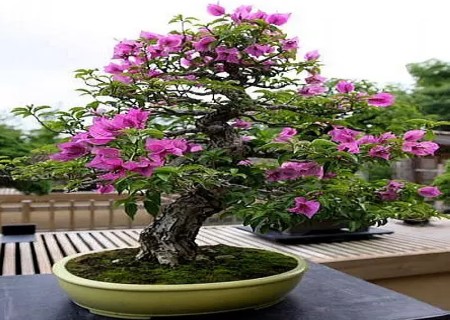
How to propagate bougainvillea in pots by cuttings? Detailed step-by-step guide with illustrations
Bougainvillea is strikingly beautiful and richly fragrant, with a tree full of blooms in a distinctive red. Whose balcony basks in the warm sun, where looking closely at the bougainvillea branches, flowers layer upon layer. Passionate, unyieldingly resilient, tenaciously striving; everywhere you look, the vivid purples and reds of bougainvillea, leaves linked to leaves, branches linked to branches, bright and fervent, at the peak of their most splendid and colorful bloom
-
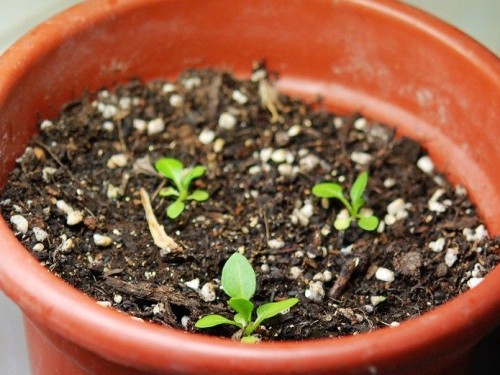
A detailed guide to sowing blue-eyed daisy (blue marguerite) in pots, easy enough for beginners to learn
I am especially fond of this kind of small herbaceous flower; today I learned that it also has a beautiful name, blue-eyed daisy. Blue-eyed daisy is also known as African daisy and large-flowered blue-eyed daisy. It is a semi-shrub or perennial herbaceous plant with a rhizome, with solitary flower heads, hairy involucres, white ray florets with pale purple undersides, and blue-purple disk centers. The blue-eyed daisy's achenes have ribbed grooves
条件筛选