-

How to grow Potentilla discolor? Latest planting techniques and methods tutorial
Potentilla discolor is a perennial herb in the Rosaceae family. The whole plant can be used as medicine; it has the effects of clearing heat and detoxifying, cooling the blood and stopping bleeding, and can treat diarrhea, bloody stool, dysentery and other conditions. In addition, its tender stems can also be used as an everyday food. So how should Potentilla discolor be grown? Let's take a look.
-
A Detailed Explanation of the Benefits, Effects and Contraindications of Potentilla discolor: Can It Treat Diabetes?
Potentilla discolor is a Chinese herbal medicine, also known as cinquefoil. In the Sichuan region it is called jibatui, in the Shaanxi region it is called tian'ou, and in some places it is called jituigen, yexiabai, jizhuashen, and so on. In short, different regions have different names. So the benefits and effects of Potentilla discolor and
-
What is the difference between Potentilla and Potentilla discolor? Learn to quickly tell the two plants apart
Potentilla discolor is a common Chinese herbal medicine, and market demand for it is relatively large and its price is rather high, but Potentilla is very similar to it, and people often pass one off as the other, so what are the differences between Potentilla and Potentilla discolor? 1. Difference in names Potentilla discolor gets its name because its leaves are covered in thick
-
What is the difference between Fanbaicao (Potentilla discolor) and Jucai (Potentilla chinensis)?
Fanbaicao, also known as Jituigen, Jibatui, Tianou, Yexiabai, Jizhuashen, and Fanbaiweilingcai, is cultivated in most parts of our country. Where is the difference between it and Jucai? 1. Where is the difference between Fanbaicao and Jucai? 1. Different roots. The root of Fanbaicao is thick and robust
-
What is the difference between Potentilla discolor and Potentilla chinensis?
Potentilla discolor is Potentilla discolor of the Rosaceae family, because the genuine Potentilla discolor is relatively rare both on the market and on the mountains. What is more commonly seen is the same genus Potentilla chinensis used as a counterfeit, because Potentilla chinensis is extremely widely distributed, being abundant in both plains and mountainous areas. But passing it off as the medicinal material Potentilla discolor is absolutely unacceptable! Mixing in
-
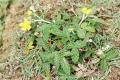
What are the effects and functions of Potentilla discolor
What are the effects and functions of Potentilla discolor
-
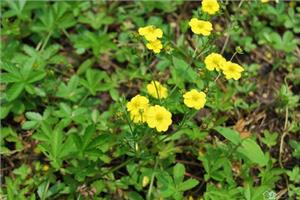
Potentilla kleiniana: Benefits, Effects, and Cultivation Methods
Potentilla kleiniana: Benefits and Effects, and How to Cultivate It
-

Detailed Explanation of the Planting Techniques and Methods for Potentilla discolor
Planting Techniques for Potentilla discolor
-
Detailed Explanation of the Methods and Techniques for Making Potentilla fruticosa Bonsai
I. Choosing a Pot: Choose a flower pot of roughly the right size, and cover the bottom of the pot with two pieces of tile. We need to ensure that the potting soil is not washed out by water, while still allowing excess water to drain away. Then place a layer of expanded clay as a drainage layer, followed by organic fertilizer and a thin layer of substrate in turn, and finally place the plant in and fill with nutrient soil.
-
How to grow a Potentilla fruticosa bonsai? Master these care tips
I. Humidity Potentilla fruticosa loves humid or semi-humid environments, and its required air humidity is relatively high, generally around 50%-70. We usually need to pay attention to the air humidity and not let it get too dry, otherwise it may cause poor development and leaf drop in Potentilla fruticosa.
条件筛选