Potentilla kleiniana: Benefits, Effects, and Cultivation Methods
Traditional Chinese medicine tends to work relatively slowly, but it can achieve a complete cure, whereas Western medicine is a one-time treatment; each has its own advantages. Traditional Chinese medicine can also be consumed to condition the body, and by comparison, it actually surpasses Western medicine. There is a commonly seen traditional Chinese medicine called Potentilla kleiniana, and what everyone cares about most is certainly its benefits and effects, so let's learn about it together with the editor.
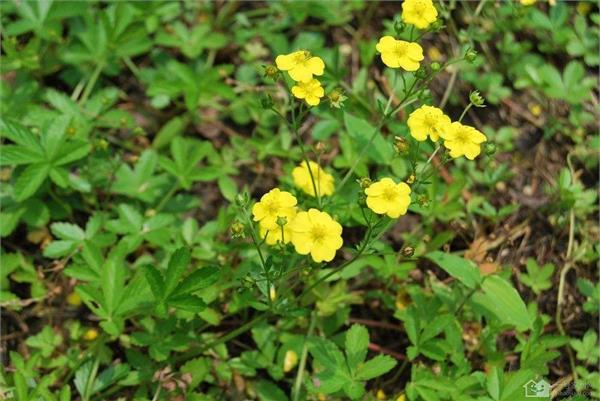
Benefits and Effects of Potentilla kleiniana
Clears heat and calms convulsions; treats malaria; relieves cough and resolves phlegm; detoxifies and invigorates blood. Indications: high fever with convulsions; malaria; cough due to lung heat; pertussis; dysentery; sores, boils and swellings; sore, swollen throat; toothache due to wind-fire; herpes zoster; red, swollen, painful eyes; insect and snake bites; rheumatism with numbness; traumatic injuries; irregular menstruation; bleeding from external wounds.
Cultivation Techniques for Potentilla kleiniana
Cultivation Characteristics
It prefers a sunny, mild-climate, fairly moist environment and has strong adaptability; it can be cultivated in high mountains, hills, and flat plains alike. It is not strict about soil and often grows wild on wasteland, field edges, or roadsides; it is best cultivated in sandy loam that faces the sun and is relatively fertile and moist.
Propagation is mainly by division. Dig up new plants growing on the stolons of old plants to use as seedlings, and each plant must have fibrous roots. Plant in February-March in spring or September-October in autumn, with autumn planting being preferable. Open holes at a row and hole spacing of 20 cm each, plant 2-3 seedlings per hole, cover with soil and press firm, and apply dilute human and livestock manure water.
Field Management
Water promptly after planting. For autumn plantings, cultivate and weed and apply topdressing once in mid-December of that year; afterward, pull weeds at any time each year, and after each of the two harvests in May and September-October, shallowly cultivate and apply topdressing once. Use human and livestock manure water or ammonium sulfate as fertilizer. After continuous harvesting for 3-4 years, the land must be changed for cultivation.
Potentilla kleiniana can invigorate blood and resolve stasis, especially in treating bleeding, with quick results; some adhesive bandages even include a little Potentilla kleiniana. In addition, Potentilla kleiniana has a heat-clearing and detoxifying effect, which means it can not only be used as medicine but also be made into soup; however it is consumed, its effects can be fully brought into play. Apart from that, conditions such as internal heat and insect bites can all be treated with Potentilla kleiniana, and its medicinal effects are very good. A small medicinal herb, yet it possesses many unexpected benefits and can play a tremendous role. Cultivating Potentilla kleiniana is also fairly troublesome, yet it is especially easy to manage.
The above is the relevant introduction in this article. I believe that after reading it you have gained a simple understanding of this. If needed, you can continue to follow No.1 Home Network to learn more information.