-

In which regions are Korean pine (Pinus koraiensis) tree species mainly distributed?
The distribution area of the Korean pine (Pinus koraiensis) tree species is: Korean pine is produced in the mountainous areas of Heilongjiang, Jilin and Liaoning in China at altitudes of 300 to 1800 m. Its natural distribution roughly coincides with the range extending from the Changbai Mountains and the Greater Khingan Mountains. It has been introduced and cultivated in Beijing and in such places in Shandong as Mount Tai, Mount Lao and Mount Kunlun. Korean pine has a fairly wide tolerance for light conditions, and as the tree age increases, its light requirement gradually rises. It most prefers deep, fertile mountain dark brown forest soil with good permeability. Korean pine is a shallow-rooted tree species, its taproot is not well developed, and its lateral roots spread very widely horizontally, which helps it absorb soil nutrients.
-
Grafting Propagation Technique for Pinus sylvestris var. mongolica Grafted with Korean Pine (Pinus koraiensis)
Pinus sylvestris var. mongolica has strong adaptability, is cold-resistant, drought-tolerant, and tolerant of poor soil. Using Pinus sylvestris var. mongolica as rootstock to graft Korean pine (Pinus koraiensis) brings earlier flowering and fruiting, rapid orchard establishment, and good results. 1 Preparation of scions 1.1 Selection of mother trees Select superior mother trees as scion sources. Within the chosen area, measure the tree height, diameter at breast height, crown width, fruiting layer thickness, number of young cones, number of cones, and male and female flower quantities of each clone individual. At the same time, conduct individual tree seed collection, and test cone number, cone weight, seed yield, seed extraction rate, kernel rate, empty shell rate, pest damage rate, 1000-seed weight, as well as cone length and width.
-
Technical key points for converting young Scots pine (Pinus sylvestris var. mongolica) stands into Korean pine (Pinus koraiensis) nut orchards
In recent years, the establishment of Korean pine dual-purpose nut and timber forests and Korean pine nut orchards has developed rapidly in Heilongjiang and Jilin provinces of China. In some places, developing Korean pine nut orchards has become a path to prosperity, and relatively large-scale Korean pine nut orchards have been established one after another. However, due to deviations in people's understanding, the selection of superior scions for grafting to establish orchards has been neglected, and the scions selected are rarely improved varieties that have undergone identification. Establishing Korean pine nut orchards without such selection cannot guarantee the yield and quality of seeds and nuts, let alone early fruiting, high yield, and stable yield. Practice has proven that using young Scots pine
-

Detailed Explanation of Pinus bungeana Planting Techniques and Management Methods
Planting Techniques for Pinus bungeana
-
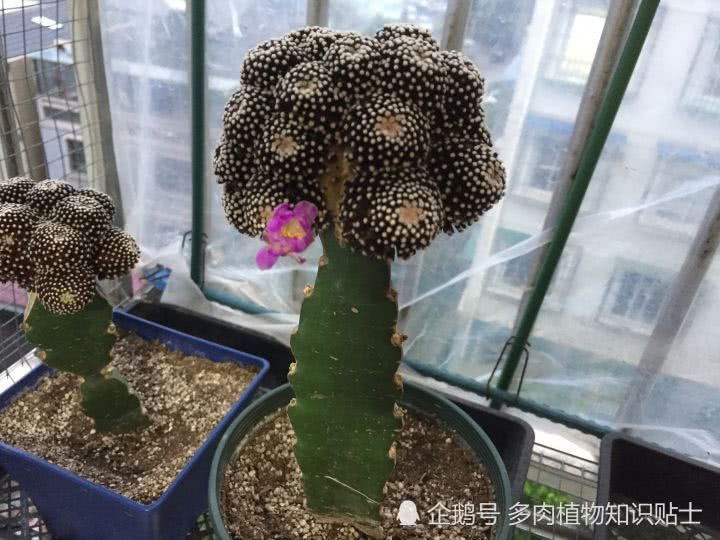
Grafted Pinus pinea peony won't bloom? A succulent expert tells you why
Let me start with the grafted Shandong pine needles I bought last year. Last year I bought 50 Shandong grafted plants through a forum. Because of the bumpy express delivery, they suffered internal damage that wasn't visible at first. After a while, many of the graft junctions rotted and turned to mush, and in the end only...
-
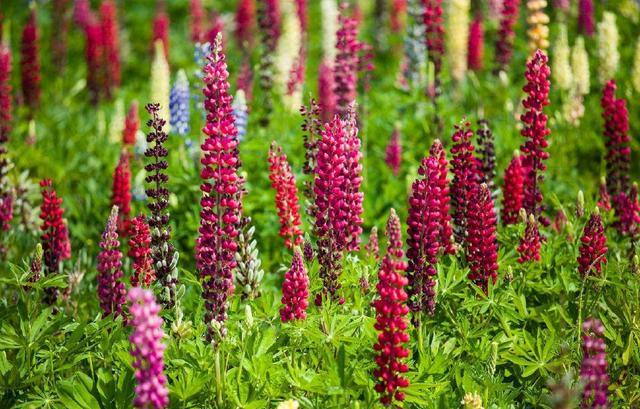
Lupine is Lupinus, grown in gardens for ornamental viewing; its flower meaning is maternal love, happiness, and a greedy heart.
Lupine (herbaceous plant) Lupine (Latin scientific name: Lupinus micranthus Guss.), also called "Lupinus," is a plant of the order Rosales, family Fabaceae, genus Lupinus. The stem is ascending or erect, branching from the base, the whole plant covered with brown or rusty...
-
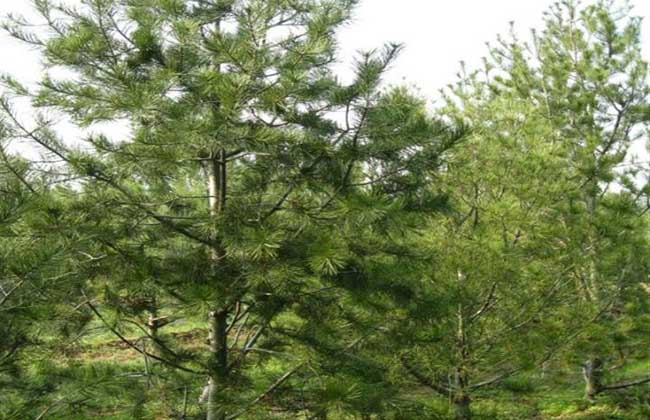
What is the outlook for Pinus bungeana cultivation? This article gives you the full picture
Cultivation prospects for Pinus bungeana
-
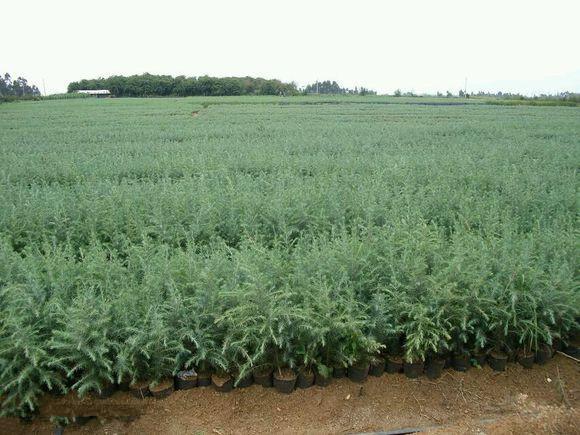
Key Technical Points for Raising Pinus tabuliformis Seedlings in Northern Regions
Pinus tabuliformis Seedling Raising Techniques in Northern Regions 1 Site Selection and Land Preparation: Pinus tabuliformis prefers fertile, loose soil with a relatively deep soil layer, and also requires good drainage and convenient irrigation. When sowing and raising seedlings, choose sandy loam or loam, and require a pH value of neutral or slightly...
条件筛选