-
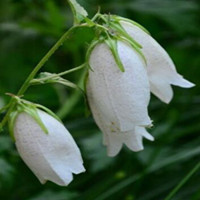
A Detailed Guide to the Distribution Range and Growth Habits of Japanese Pieris
Japanese pieris (Pieris japonica), of the genus Pieris in the family Ericaceae, is an evergreen shrub 2-4 m tall. It bears racemes; each raceme has 3-4 flower branches, densely set with small urn-shaped flowers, pendulous, with white or white-green corollas, and spherical capsules.
-
What are the distinctive characteristics of Japanese pieris? A detailed guide
Japanese pieris (Pieris japonica), of the genus Pieris in the heath family (Ericaceae), is an evergreen shrub 2-4 m tall. It bears racemes; each raceme has 3-4 flower branches, densely set with small urn-shaped flowers, pendulous, with white or white-green corollas, and spherical capsules.
-
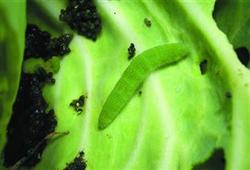
Application of Pieris rapae granulosis virus insecticide in vegetable production
Pieris rapae granulosis virus, trade names: Yangkang, Wuzhou No. 1, Pieris rapae virus, Wuda Oasis Precision Chongke, common name: Pieris rapae granulosis virus, main formulation is concentrated powder, is a live virus insecticide, processed from the bodies of insects killed by Pieris rapae granulosis virus infection, belongs to low-toxicity insecticides, only against...
-
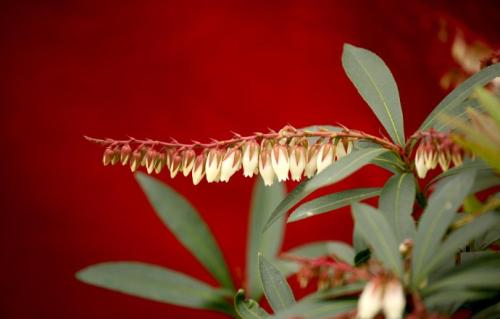
How to Grow Japanese Pieris
First, temperature: Japanese pieris (Pieris japonica) is not tolerant of high temperatures and fears direct strong sunlight; the most suitable temperature for growth is 10°C to 15°C. Second, fertilizing: Japanese pieris needs sufficient fertilizer while growing, so it should be fertilized at regular intervals, but be careful not to get fertilizer on the leaves.
-
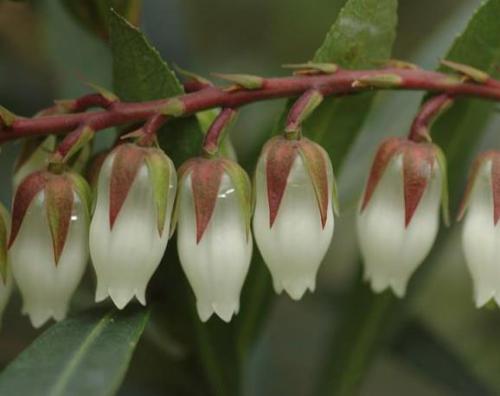
Can Japanese pieris be grown hydroponically, and how long can it survive? Growing methods and precautions
1. Soil: Japanese pieris likes acidic sandy soil rich in humus. This kind of soil is loose and well-drained, suitable for the growth of Japanese pieris. You can also choose soil made by mixing garden soil and sand. 2. Fertilizing: Japanese pieris needs enough fertilizer during growth
-
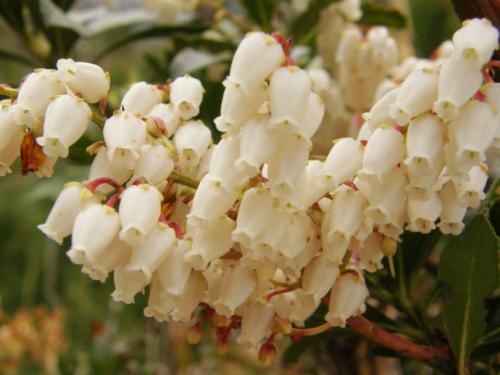
How to Grow Japanese Pieris? Detailed Guide to Care Methods and Precautions
Precaution One - Soil: Japanese pieris likes loose soil with good drainage; this kind of soil suits its growth, and you can also use a soil mix made from garden soil and sand. Precaution Two - Fertilizing: Japanese pieris needs sufficient fertilizer while growing
-
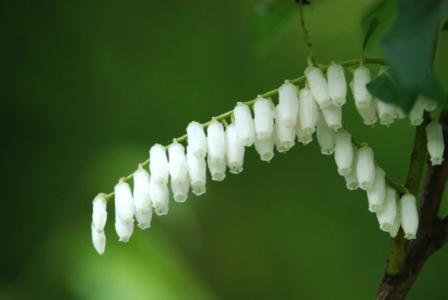
How to Grow Japanese Pieris
Method One - Seed Propagation The best time to sow Japanese pieris seeds is generally in spring and autumn. Choose healthy seeds free of any disease, as this improves the germination rate of Japanese pieris. The sowing temperature should also be kept at around 18 degrees, which helps the seeds take root and sprout.
-
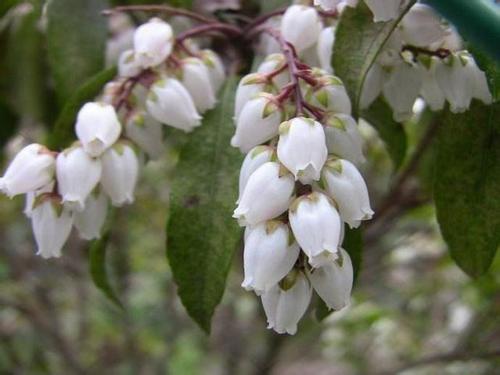
Is Pieris japonica Poisonous? Notes on Keeping It Indoors
After checking the relevant information, Pieris japonica does contain toxins, which is to say, Pieris japonica is poisonous, and the entire plant of Pieris japonica is toxic. If animals ingest it by mistake, they will show symptoms of vomiting and abdominal pain, and in severe cases it can also lead to problems such as coma and difficulty breathing. Although the whole plant of Pieris japonica is toxic
-

How to prune Japanese pieris? An illustrated guide to the correct pruning method
Japanese pieris (Pieris japonica), also known as "soaked wood," is an evergreen shrub in the heath family (Ericaceae), genus Pieris. Besides the native species found south of the Tohoku region of Japan, there are also hybrids between the native species of Yunnan, China and the Japanese species. There are many horticultural cultivars. When used in gardens and hedges, keep the plant height below 2m
-

How long can Japanese pieris last in water, and how should it be cared for in hydroponics?
Japanese pieris is a particularly popular indoor flowering plant in recent years. Its care results are excellent, its appearance is graceful, and it has a unique Chinese-style beauty. Whether grown in water or in soil, this plant is especially easy to grow well. How long Japanese pieris can last in water mainly depends on the care method and conditions. Generally
条件筛选