How to Grow Japanese Pieris
First, temperature
Japanese pieris is not tolerant of high temperatures and fears direct strong sunlight; the most suitable temperature for growth is 10°C to 15°C.
Second, fertilizing
Japanese pieris needs sufficient fertilizer while growing, so it should be fertilized at regular intervals, but be careful not to get fertilizer on the leaves; simply ensure the plant has adequate nutrients.
Third, soil
Japanese pieris likes acidic sandy soil rich in humus; this kind of soil is loose and well-draining, suitable for the growth of Japanese pieris, and you can also choose soil made by mixing garden soil with sand.
Fourth, watering
Japanese pieris likes a moist and semi-shaded environment, so it needs to be watered frequently, but be careful not to let water accumulate, otherwise the roots are prone to rot.
Fifth, pest and disease control
Japanese pieris is also quite prone to pests and viruses, so in normal care pay more attention to spraying it with control chemicals; once diseased branches appear, cut them off immediately - this is the fastest method.
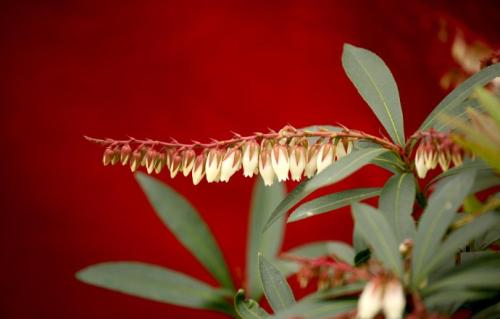
Alright, that is all for today. The editor hopes everyone will take careful care when growing Japanese pieris to prevent poisoning. Thank you for reading!
How to Grow Japanese Pieris and Points to Note
1. Soil
Japanese pieris likes acidic sandy soil rich in humus; this kind of soil is loose and well-draining, suitable for the growth of Japanese pieris, and you can also choose soil made by mixing garden soil with sand.
2. Fertilizing
Japanese pieris needs sufficient fertilizer while growing, so it should be fertilized at regular intervals, but be careful not to get fertilizer on the leaves; simply ensure the plant has adequate nutrients.
3. Temperature
Japanese pieris is not tolerant of high temperatures and fears direct strong sunlight; the most suitable temperature for growth is 10°C to 15°C.
4. Watering
Japanese pieris likes a moist and semi-shaded environment, so it needs to be watered frequently, but be careful not to let water accumulate, otherwise the roots are prone to rot.
The above are the growing methods and points to note for Japanese pieris. Have you learned them? Below is an introduction to the effects and uses of Japanese pieris.
How to Grow Japanese Pieris and Points to Note
The first point to note - soil
Japanese pieris likes acidic sandy soil rich in humus; this kind of soil is loose and well-draining, suitable for the growth of Japanese pieris, and you can also choose soil made by mixing garden soil with sand.
The second point to note - fertilizing
Japanese pieris needs sufficient fertilizer while growing, so it should be fertilized at regular intervals, but be careful not to get fertilizer on the leaves; simply ensure the plant has adequate nutrients.
The third point to note - temperature
Japanese pieris is not tolerant of high temperatures and fears direct strong sunlight; the most suitable temperature for growth is 10°C to 15°C.
The fourth point to note - watering
Japanese pieris likes a moist and semi-shaded environment, so it needs to be watered frequently, but be careful not to let water accumulate, otherwise the roots are prone to rot.
The fifth point to note - pest and disease control
Japanese pieris is also quite prone to pests and viruses, so in normal care pay more attention to spraying it with control chemicals; once diseased branches appear, cut them off immediately - this is the fastest method.
The above are the growing methods and points to note for Japanese pieris that the editor has prepared for everyone. Aren't they quite easy? Below, the editor will introduce the propagation methods of Japanese pieris.