-
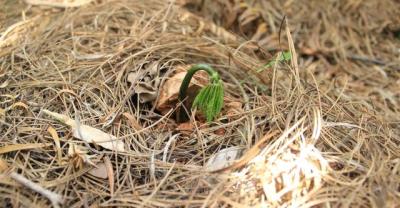
Just how strenuous is it to grow Panax notoginseng? (Part One)
Panax notoginseng is a perennial herbaceous plant with one growth cycle each year. Its growing environment requirements are: low latitude, high altitude, small temperature difference between day and night, relative soil humidity...
-
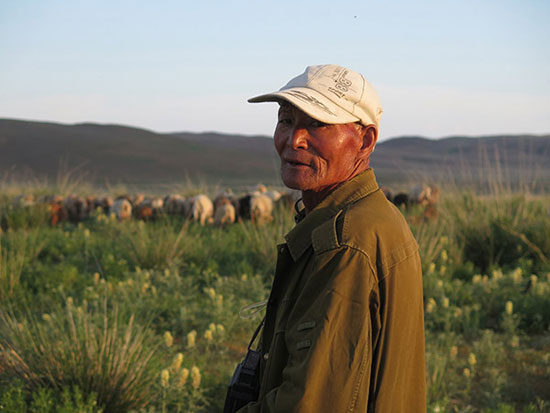
Veteran Party member guards the motherland's border alone for 32 years
Veteran Party member guards the motherland's border alone for 32 years
-
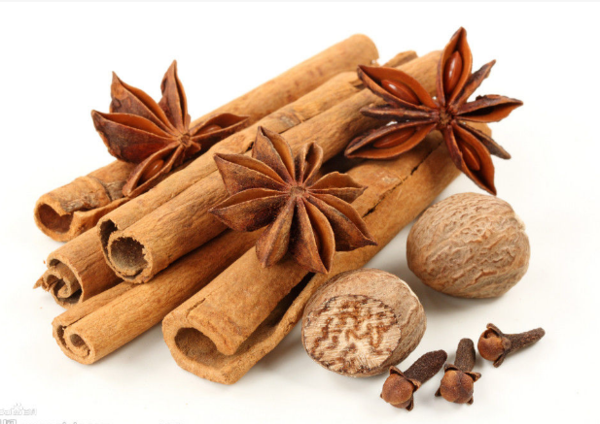
Spicy Hot Pot Skewers Ingredients: A Detailed Illustrated Guide to Spices (Part One)
[Illustrated] Spicy Hot Pot Skewers Ingredients: A Detailed Guide to Spices (Part One)
-
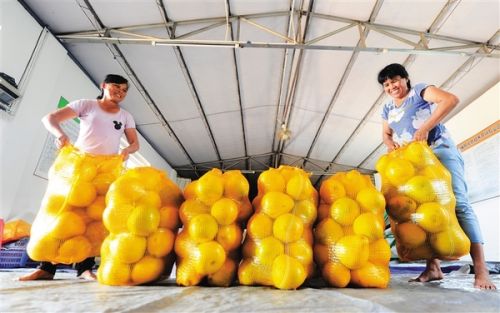
Wu Haishan, Party secretary of Daochong Village in Qiongshan District, says the "money tree" bears sweet fruit
Wu Haishan, Party secretary of Daochong Village in Qiongshan District: the "money tree" bears sweet fruit
-

Processing Technology for High Viscoelastic Surimi Products (Part One)
When processing and making various surimi foods, the choice of fish species and the freshness of the fish are very important; they affect the elasticity of the product, so in surimi raw materials, there is a certain limit to the amount of soybean and wheat protein powder mixed in; too much will weaken the elasticity of the product. In order to solve the elasticity problem of aquatic surimi products, a new method is adopted in which fish protein alone or mixed with plant protein is made into protein fibers, and then mixed with surimi to produce surimi foods with excellent viscoelasticity, which can enhance the elasticity of Grade C low-quality surimi to above Special Grade A. The production method takes the original
-
Introduction to Superior Clonal Tea Varieties (Part One)
The application and promotion of superior tea varieties in tea production is one of the most effective ways to achieve high quality, high yield and high benefit. This is especially true of superior clonal tea varieties, which not only have such fine traits as strong stress resistance, excellent quality and good yielding ability, but also have stable characteristics, uniform sprouting and distinct flushing rounds, which favor the promotion of mechanized picking and the regulation of peak picking and processing periods. Of the more than 100,000 mu of tea gardens now existing in our city, the vast majority are Huzhou local population varieties and Jiukeng population varieties developed before the 1980s. The varietal traits of these tea gardens are mixed, and a considerable portion of them are aged tea gardens and
-
Detailed Explanation of the Low-Altitude Substitute-Material Cultivation Method for Gastrodia elata (Part One)
Gastrodia elata is a rare and precious traditional Chinese medicine. In the past it was gathered from the wild, growing in mountain forests above 500 m in altitude, and was very scarce and difficult to dig up; today it faces extinction. The development of artificial cultivation of Gastrodia elata has saved this precious species, but technically it still cannot break away from cultivation in high-altitude areas, and the raw material cannot be separated from log segments (oak). This makes Gastrodia elata cultivation greatly limited by region. Second, it is limited by the felling of forest resources. These two major drawbacks have long plagued the development of Gastrodia elata, and it has never been possible to achieve modern
-
Raccoon Dog Feed and Nutrition, Part One: The Importance of Water
Raccoon dog feed includes animal-based, plant-based and mineral-based feeds as well as synthetically produced products. How feed is supplied and what it is composed of has a great influence on the health, reproduction and fur quality of raccoon dogs. Artificially raised raccoon dogs have no choice whatsoever when it comes to feed, so keepers must rationally formulate and supply feed according to their living habits and their nutritional needs at different biological stages. If feed supply is insufficient during any one of these stages, or if the daily ration is not nutritionally complete or is improperly formulated, it will inevitably affect production results for the entire year. (1) Feed nutrients and their functions
-
Detailed Explanation of Various Reproductive Organ Diseases in Cattle (Part One)
I. Endometritis is an important cause of infertility in cattle, and is divided into acute and chronic types. Causes and symptoms: It is caused by the invasion of bacteria and other microorganisms after calving (including abortion, management of dystocia, and mating). Brucellosis, trichomoniasis, improper handling, and drug stimulation can all serve as triggering factors. During acute attacks, body temperature rises, appetite decreases, the animal is listless, arches its back, strains, and urinates frequently. Mucous and purulent exudate flows from the vulva, with more discharge when lying down, and there is a fishy odor. On
-
Pests Harming Orchids and Their Control Methods (Part One)
Pests that harm orchids include scale insects, aphids, spider mites, thrips, whiteflies, leaf miners, snails and slugs, nematodes, caterpillars, cockroaches, ants, and others. 1. Scale insects Scale insects are one of the most common pests harming orchids. There are many species, mainly parasitizing the stems and leaves of orchids, and they can also be seen on the petioles and the membranous sheaths at the base of pseudobulbs, appearing as a white powdery substance. They feed by sucking plant sap with their piercing-sucking mouthparts. In mild infestations, they cause the affected organs to turn yellow and age, affecting the growth of the orchid plant; in severe cases, they cover the leaf surface in patches, consuming nutrients and affecting the orchid's
条件筛选