Spicy Hot Pot Skewers Ingredients: A Detailed Illustrated Guide to Spices (Part One)
A high-quality spicy hot pot skewers dish must excel in color, aroma, and taste. How can such skewers be made? The spices used are crucial. More than a dozen spices are used in spicy hot pot skewers ingredients. This article provides a detailed explanation of the spices used in making spicy hot pot skewers.
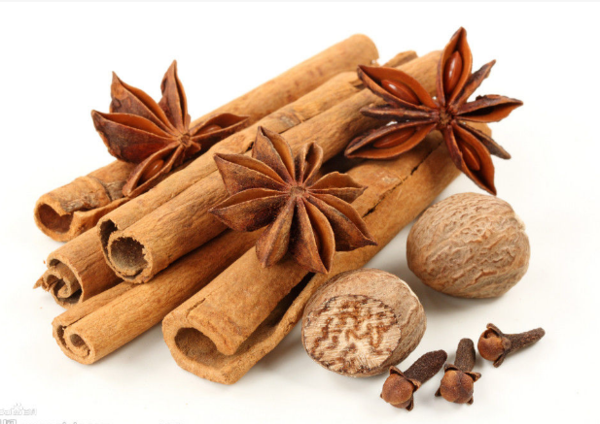
I. Cassia Bark
Also known as cinnamon. Its nature and flavor are pungent and sweet, and it is warming. It has the effects of tonifying primordial yang, warming the spleen and stomach, eliminating accumulated cold, and promoting blood circulation. It mainly treats kidney yang deficiency and decline, cold pain in the heart and abdomen, chronic diarrhea, and other conditions. It is highly oily and strongly aromatic. It tastes pungent and slightly sweet on the aftertaste. It is very commonly used in malatang and braised dishes, with an appropriate amount of 5-10 grams.
II. Yellow Gardenia
Aliases: Mudan, Zhizi, Mountain Gardenia, Zhizi, Yellow Chicken Egg. Its nature is cold and its taste is bitter; it clears heat and relieves restlessness, cools the blood, and stops bleeding. It has the effect of clearing heat and detoxifying, has health benefits for the breasts and ovaries, and has a certain therapeutic effect on symptoms such as restlessness and spontaneous sweating during menopause in women. In beauty care, yellow gardenia is often brewed as tea, and it also has the effect of reducing sallow complexion and fading butterfly spots and age spots. It is also a good spice in making spicy hot pot skewers.
III. Paicao
Like Lingcao, it is also a spice commonly used in spicy hot pot in recent years. A few days ago, I asked Professor Xiong Sizhi to help find relevant information, and a result was quickly obtained: Paicao is also called Paixiang, Xiangpaicao, Xiangyang, and Maobing Zhenzhucai. It also belongs to the Primulaceae family, and its nature and flavor are sweet and neutral. It has effects on treating colds, coughs, rheumatism, irregular menstruation, and other conditions. In spicy hot pot skewers, the amount used should not be too much; 3-5 grams is sufficient, and it can also be used in braising liquid.
IV. Sannai
In some places it is also called shajiang or shanla, and it is a rhizome. The dried slices sold in grocery stores and traditional Chinese medicine shops are aromatic. Its medicinal nature is warm and its taste is pungent. It can warm the middle and resolve dampness, move qi, and relieve pain. It mainly treats acute gastroenteritis, indigestion, abdominal pain and diarrhea, stomach cold pain, toothache, rheumatoid arthritis, traumatic injuries, and other conditions. In cooking, it is mostly used for braising, stewing, spicy hot pot, and spicy hot pot skewers, with the amount mostly between 5-10 grams. People in Guangdong use shajiang to make saltwater chicken. In recent years, in Sichuan Jianghu cuisine there is the preparation of "Sannai dishes," which means the main ingredient is cooked with a large amount of Sannai plus dried red chilies and dried Sichuan peppercorns. This dish is praised for its fragrant and unique taste, though no reports about it have been seen yet.
V. Amomum Fruit
Also called Chunsharen or Yangchun Sharen, it is the mature fruit of the plant Yangchunsha. It tastes astringent in the mouth and has a fragrant smell. Its medicinal nature is warm and its taste is pungent. It has the effects of moving qi and relieving fullness in the middle, strengthening the stomach, and promoting digestion. Medicinally, it is used for abdominal distension and pain, loss of appetite, nausea and vomiting, enteritis, dysentery, restless fetal movement, and other symptoms. When used in spicy hot pot skewers, malatang, and braised dishes, it should not be used in excess; within 3 grams is appropriate.
VI. Xiangguo
Also known as Chuanxiong, it moves qi and relieves depression, dispels wind and dries dampness, invigorates blood, and relieves pain. It treats wind-cold headache and dizziness, hypochondriac pain and abdominal pain, cold bi syndrome with tendon contracture, amenorrhea, difficult labor, postpartum blood stasis and mass pain, and carbuncles, sores, and ulcers. It is used for irregular menstruation, amenorrhea and dysmenorrhea, abdominal pain from masses, stabbing pain in the chest and hypochondrium, swelling and pain from falls, headache, and rheumatic bi pain.
VII. Bay Leaf
It is mostly used for seasoning sauces or soups. In addition, it is also often used in claypot dishes. Dried leaves can also be used as a flavoring agent for canned foods. It is one of the commonly used aromatic seasonings in spicy hot pot skewers. It is suitable to add a little when cooking meat or when preparing meat dipping sauces, but because its flavor is very strong, too much cannot be added, otherwise it will cover the original taste of the food!
This article was compiled and published by the Sichuan Spicy Hot Pot Skewers Franchise website. Please retain the source when reposting: http://www.lmccx.com/show-25-331-1.html