-

Detailed Explanation of Outdoor Raised-Bed Cultivation Techniques for Oyster Mushrooms
I. Mushroom Bed Selection: Choose open land or cultivated land that is sheltered from wind and facing the sun, close to a water source, well-drained, and with little harm from poultry and livestock, or dig mushroom beds in the woodland clearings of orchards. The mushroom bed should run north-south, be about 10 cm deep, 1 m wide, and any length. Leave a cement ridge about 10 cm wide or a small ditch in the middle of the bed. After digging the mushroom bed, disinfect it with 1% lime water or lime powder. II. Compost Preparation: Oyster mushroom compost resources are abundant; cottonseed hulls, wheat straw, rice straw, sawdust, sugarcane bagasse, corncobs, and rapeseed hulls can all be used for cultivation, but cottonseed hulls
-
How can outdoor cultivation of Gastrodia elata achieve high yields?
Artificial cultivation of Gastrodia elata adapts to a very wide range of conditions; regardless of the height of the mountain, regardless of shady or sunny slopes, and regardless of sandy or loess soil, Gastrodia elata production can be developed. So how can high yields be obtained? ① Flat planting on hillsides. In mountainous areas with heavy autumn waterlogging and rain, when Gastrodia elata is planted in pits, except in a few well-drained places, the pits mostly accumulate water, causing rot and reduced yields. Cultivation by piling soil on the slope surface occupies much land and is easily affected by summer drought and high temperatures, which is unfavorable to the growth of Armillaria mellea and Gastrodia elata, making high yields difficult to obtain. However, bed planting or horizontal cultivation can achieve high yields. The method is: on slopes above 25°C, because rainwater
-
Detailed Explanation of Key Techniques for Outdoor Substitute Substrate Cultivation of Shiitake Mushrooms
Shiitake mushroom (Lentinula edodes) is one of the important edible fungi, originally wild, and was first artificially cultivated in China over 800 years ago. Substitute substrate cultivation uses artificial mushroom logs made from sawdust, mulberry branch powder, cottonseed hulls, etc., to replace natural logs for cultivating shiitake mushrooms. This method has wide resource availability, high yield, a short production cycle and high economic returns, making it very suitable for farmers to cultivate. 1. Strain selection. There are many types of shiitake varieties, and the commonly used ones are of the medium-low temperature type. The optimal environmental conditions for the mycelial growth of this type of shiitake are an air temperature of 24-27°C, a substrate moisture content of about 60%, and no light or weak light. The optimal environmental conditions during the fruiting stage
-
Detailed Explanation of Key Techniques for Outdoor Bag Cultivation of Shiitake Mushrooms
Traditional shiitake mushroom cultivation uses log cultivation, a method that requires wood. Below is an introduction to a bag cultivation technique for producing shiitake mushrooms, which is especially suitable for use in mountainous areas. The specific method is as follows: 1. Prepare the substrate well and disinfect the plastic bags. Based on 50 kg of substrate, the formula is: 39 kg wood sawdust, 10 kg wheat bran, 0.5 kg sucrose, 0.5 kg gypsum powder; mix them evenly. The substrate moisture content is 65%. A pH of 6-6.5 is more suitable. Select 15
-
Harvesting and Fresh-Keeping Methods for Outdoor Oleander Cuttings
[Other Chinese Names]Dajiezhong, Jiaochudong, Jiujiezhong, Juna, Liuyetao, Shuigancao[Family and Genus]Apocynaceae, Nerium[Place of Origin]Nepal, India, Iran and other places[Plant Characteristics]Oleander is an evergreen shrub or small tree. Plant height 5-6 m. It has milky sap. Simple leaves are whorled or opposite, linear-lanceolate, 10-25 cm long, entire, leathery.[Cutting Harvest]The harvested part is the current-year branches of oleander. Harvesting should be carried out from May to July each year. In order to obtain ideal
-
Is the peony poisonous, and is the peony suitable for growing indoors (non-toxic/suitable for outdoor growing)
The peony is the national flower of China. Its blooms are large and brightly coloured, and it is deeply loved by people. Every plant cannot escape one topic: is it poisonous? Many people are concerned about questions such as whether the peony is poisonous and whether the peony is suitable for growing indoors. We can tell you with certainty that the peony contains no toxicity
-

How to care for Madagascar jasmine (Stephanotis) in winter? Key points on whether it can overwinter outdoors and stopping fertilization
It is well known that the most suitable temperature for Madagascar jasmine is 20-31 degrees, yet in most parts of China the winter temperature does not fall within this range, so can Madagascar jasmine overwinter outdoors in winter? The answer is yes. Caring for Madagascar jasmine in winter is slightly different from other seasons.
-
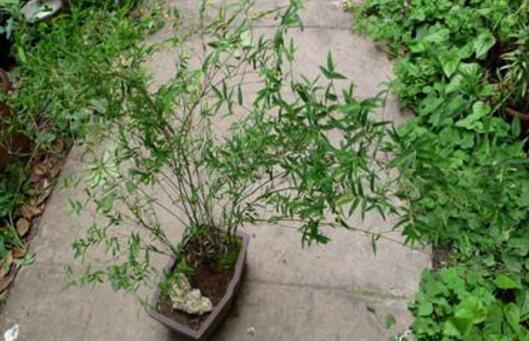
How Often to Water Bambusa multiplex? Watering Schedules Differ by Season and Indoors vs Outdoors
Everyone may have their own unique habits when growing Bambusa multiplex, but if you want to grow it well, you must have a scientific method for cultivating it, and watering is the key step. How often should you water Bambusa multiplex? What kind of water is best for watering it? These are all questions we should understand
-
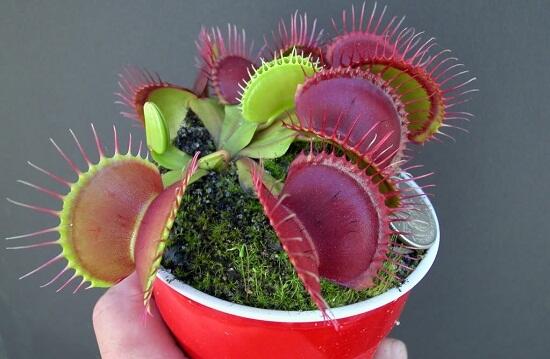
How to water a Venus flytrap? The tray method of care, split into outdoor growing and enclosed growing
The Venus flytrap is a plant that can repel mosquitoes. Keeping it indoors not only eliminates flies and insects in the home but also purifies the air. However, growing a Venus flytrap well is not easy, and watering is especially important. So how do you water a Venus flytrap? Below are Venus flytrap tray-method care tips and fertilizing methods.
-
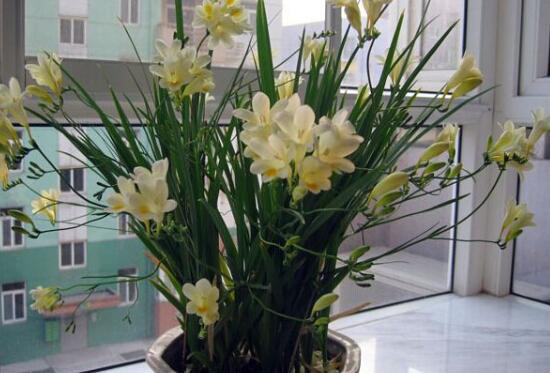
Cultivation methods and precautions for tuberose: move it outdoors at night
Everyone is surely familiar with tuberose; it is night-blooming jasmine (cestrum), a flower with a beautiful shape and a long flowering period, deeply loved by flower enthusiasts. In daily life, because of the beauty of tuberose, many people want to grow a pot at home, so how do you grow tuberose? Below are the cultivation methods and precautions for tuberose carefully compiled by the editor.
条件筛选