How Often to Water Bambusa multiplex? Watering Schedules Differ by Season and Indoors vs Outdoors
Everyone may have their own unique habits when growing Bambusa multiplex, but if you want to grow it well, you must have a scientific method for cultivating it, and watering is the key step. How often should you water Bambusa multiplex? What kind of water is best for watering it? These are all questions we should understand.
How Often to Water Bambusa multiplex
1. According to Seasonal Changes
1. Spring
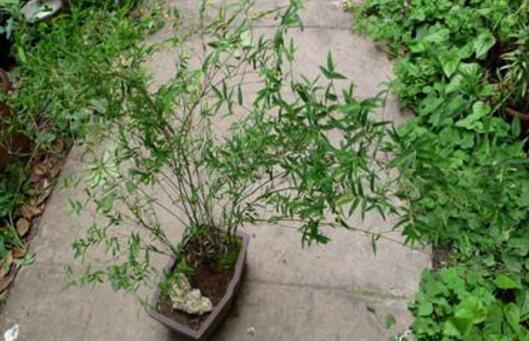
Spring temperatures are moderate, so Bambusa multiplex grows faster in this season than at any other time of year. So how often should you water Bambusa multiplex in spring? Generally once about every 3 days, just enough to keep the soil slightly moist; you can water a little later or earlier depending on the condition of the potting soil.
Note: When planting Bambusa multiplex, water thoroughly, then water normally according to how moist the soil is. Never let water accumulate in the pot, and do not let it go without water for long periods, otherwise the leaves will curl and lose their luster.
2. Summer
Because the summer climate is hot, the soil dries out faster than at other times, and watering frequency is also higher than at other times. Generally water once every 1-2 days, and it is best to choose the morning for watering, which ensures most of the water is absorbed rather than evaporated.
Note: To ensure water can be absorbed by the roots, the soil should have good drainage and aeration so that the water reaches the lower layers of soil; otherwise water easily accumulates and the soil cannot be watered through.
3. Autumn
Autumn temperatures are comparable to spring, so how often should you water Bambusa multiplex in autumn? Likewise once every 3-4 days, and you can mist the leaves appropriately to maintain humidity around the plant.
4. Winter
In winter, Bambusa multiplex is usually kept warm, but at this time it grows relatively slowly and has lower water requirements, so it should not be watered too much. Generally once about every 1 week is enough; you can water based on whether the soil has dried and caked.
Note: In winter, it is best to water at noon. When watering, be sure to observe how moist the soil is, and do not water too much, otherwise Bambusa multiplex may suffer cold damage.
2. According to Weather Changes
1. Outdoors
If Bambusa multiplex is planted outdoors, then on rainy days you can reduce watering or even skip it entirely, regardless of the season; if it is sunny, you need to choose the watering time based on how moist the soil is.
2. Indoors
If Bambusa multiplex is grown in a pot, the general watering method is to water according to seasonal changes and how moist the potting soil is; the method can be the same as the four-season watering method.
What Kind of Water Is Best for Watering Bambusa multiplex
The most suitable water for watering Bambusa multiplex is rainwater, followed by well water, river water, and so on. Tap water can also be used, but if its alkalinity is too high, it may need to be left to stand for a few days before use.
How to Grow Bambusa multiplex
1. Soil:
Bambusa multiplex prefers acidic, slightly acidic, or neutral soil. For home potting, you can use a growing medium mixed from 1/3 leaf mold, 1/3 garden soil, and 1/3 river sand. Avoid heavy, clayey, or alkaline soil.
2. Sunlight:
Bambusa multiplex likes light. When grown indoors, place it in a ventilated spot near a south-facing windowsill in spring, summer, and autumn, and in a sunny place in winter, and it will grow well. If grown outdoors, it can receive more light in spring and autumn; in summer, be careful to shade it and avoid strong direct sun, otherwise the branches and leaves easily turn yellow and the plant loses its ornamental appeal.
3. Temperature:
Bambusa multiplex is an evergreen clumping shrub. It likes warm, humid, and semi-shaded environments. Its cold tolerance is somewhat poor, it cannot tolerate strong direct sun, and it fears waterlogging. It prefers fertile, loose, well-drained loam. In winter, the temperature should not fall below 0°C.
4. Watering:
During the growing period, water in moderation, just enough to keep the potting soil moist. In dry weather and the hot summer season, frequently spray and wash the leaves with clean water to help keep them green.
5. Fertilizing:
During the growing period, Bambusa multiplex needs liquid fertilizer applied once about every 20 days. Organic fertilizer is the main type used for Bambusa multiplex; the liquid fertilizer can be diluted decomposed soybean cake water or a compound liquid fertilizer. Fertilizing should stop in winter.
6. Pruning:
During growth, old culms gradually wither and should be cut off promptly to maintain a graceful shape.
Notes on Growing Bambusa multiplex
1. Soil Selection
For potted Bambusa multiplex, the potting soil is best made by mixing fertile, loose leaf mold rich in humus with surface-matured garden soil from vegetable plots, plus an appropriate amount of sandy soil. Line the bottom of the pot with a layer of coarse sand, then apply decomposed cake fertilizer crumbs as a base fertilizer; good water permeability is what favors the development of the rhizomes and the growth of branches and leaves.
2. Fertilizing Method
Bambusa multiplex also needs fertilizing, especially when planted in large quantities in courtyards, where good base fertilizer must be applied. When planting, you can mix barnyard manure, bone meal, farmyard manure, and pond mud, and fill it into the bottom of the pot or mound it around the base in autumn and winter. This not only increases the soil's available nutrients and ground temperature, but is also very beneficial to new bamboo shoots. For Bambusa multiplex bonsai, during the growing season you can use quick-acting fertilizers such as urea and potassium dihydrogen phosphate, mixed into a 0.3% nutrient solution and applied to the pot to meet its growth needs, with the best results.
Apply organic fertilizer once each season; during the peak growing season, apply a light compound fertilizer once a month to help keep the leaves emerald green. During the growing period, also be careful to loosen the potting soil. Apply several rounds of thin, decomposed cake fertilizer water as a top dressing. In early winter each year, apply chemical fertilizer or miscellaneous fertilizer to improve the soil structure and favor the growth and development of the bamboo rhizomes.
3. Watering Method
During the growing period, Bambusa multiplex should be watered in moderation to keep the potting soil moist; water as soon as it is half dry, and avoid water accumulation. In summer, frequently spray water on the branches and leaves; in winter, reduce the amount of water, watering once about every 4-5 days, and keep it in a sunny place for care.
Water is an important factor in vigorous growth of Bambusa multiplex. Nutrients applied to the soil must dissolve in water before they can be absorbed by Bambusa multiplex. Therefore, water is needed in all four seasons. In spring, potted Bambusa multiplex begins to sprout branches and leaves, so its water needs must be met; water once every 2 days. In summer, water once in the morning and once in the evening. In autumn and winter, reduce watering frequency and amount as appropriate; water thoroughly once before winter arrives, then keep the potting soil moist. For potted Bambusa multiplex, the principle of watering is that you must water thoroughly and must not give "half watering," otherwise growth will be affected.
After potting, be careful to provide shade and keep the potting soil moist, and frequently spray water on the leaf surfaces to prevent the bamboo leaves from curling due to dryness. However, it should not be too wet or waterlogged, which would cause root rot. During the peak growing period and the high-temperature period in summer, besides watering in the morning and evening, also spray water on the leaf surfaces several times. At the same time, set up a shade frame to prevent strong direct sun.
4. Light and Temperature Requirements
Bambusa multiplex likes warm, humid spots that are sheltered from wind and face the sun. In spring and late autumn, it can be placed in a sunny spot for cultivation; in summer and early autumn, when sunlight is intense, Bambusa multiplex should be placed in a shaded spot or a place where it can get sunlight in the early morning and evening, and it is even better beside a pond or ditch. In winter, it should be moved indoors to overwinter, with a room temperature of around 8°C. When the weather turns cold in winter, it should be moved indoors to overwinter, and the indoor temperature must not fall below 5°C.
5. Pest and Disease Control
Common diseases include rust and leaf blight. For rust, you can spray 80% zineb wettable powder at 500-600 times dilution; for leaf blight, you can spray 70% thiophanate-methyl wettable powder at 1000 times dilution for control. There are also aphids and click beetles. For aphids, you can spray 80% dichlorvos emulsion at 1500 times dilution or malathion at 1000 times dilution; for click beetles, in early spring you can drench the roots with 5% phoxim at 1000 times dilution to kill the adults or larvae.