-
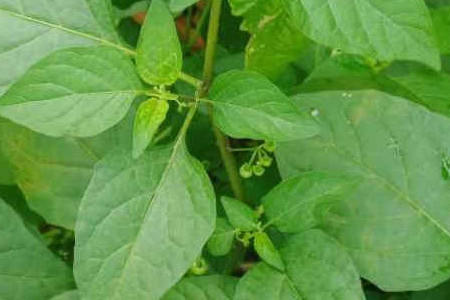
How does the black nightshade flower open at six in the morning?
How the black nightshade flower opens at six in the morning
-

Lily Cultivation Techniques: Open Field, Greenhouse, Pot and Cut Flower Growing Methods
The lily is a cold-hardy bulbous flower of the Liliaceae family that loves light and fertile sandy soil. It has unusual flower shapes and many bright, beautiful colors, and works both as a potted plant and a cut flower, giving a sense of wealth and elegance, and it is very appealing; it can be planted year-round, produces a large quantity of flowers, and has high economic returns, so in recent years its cultivation has developed quickly; but beginners often see poor growth, few flowers and disease; for this reason, the author, based on cultivation practice, briefly describes the following lily open field, greenhouse, pot and cut flower cultivation techniques. 1. Planting Methods and Time Regardless of whether lilies are planted in the open field or in a greenhouse, fertile, well-aerated sand
-
Harvesting and Fresh-keeping Methods for Cuttings of Amorpha fruticosa, an Open-field Flower
[Other Chinese names] Mianhuai [Family and genus] Fabaceae, Amorpha [Place of origin] North America [Plant characteristics] Amorpha fruticosa is a clumping shrub. Plant height 1-4 m. Branches grayish blue. Odd-pinnate compound leaves alternate; leaflets 11-25, oblong. [Cutting harvest] The harvested part is the first-year woody branch of Amorpha fruticosa, preferably 1-1.5 cm in diameter. To obtain the ideal propagation results, top branches with shorter internodes and full growth should be selected. Pay attention to reasonable cutting collection so as not to affect
-
Open-field Cultivation Methods and Technical Key Points for Tea Rose
The tea rose is a plant of the genus Rosa, suitable for growing in environments with ample sunlight and good air circulation. It is not demanding regarding soil, but the following aspects should be noted in open-field cultivation. 1. Cultivation site. The tea rose is a light-loving plant, so a sunny location should be chosen during cultivation, avoiding planting beside tall buildings, under tree shade, or on the shady side of hillsides. The ideal soil for cultivating tea roses should have good granular structure and be rich in organic matter. The tea rose is not demanding regarding soil pH and can grow in soil with a pH of 5.5-8.0.
-

What are the common pests of open-ground roses? Understand them in one article
Roses are flowers prone to many pests. Before carrying out control, you must first understand the symptoms of the pest damage and identify which pest it is; second, you need to understand the timing and patterns of the pest's occurrence so as to treat the right cause. Here we introduce the 4 most common pests. Aphids Aphids gather on the buds, tender leaves, and flower buds of roses to suck...
-

What to Do When a Fenestraria rhopalophylla Cracks Open? Detailed Solutions
Solutions for a Cracked Fenestraria rhopalophylla
条件筛选