-

Viewing Three Rural Issues Reform from the Perspective of Industry Carrying Capacity: How Can 450 Million Rest and Recuperate
The reform of the three rural issues currently faces two major problems. First, in agriculture, who will guarantee food security, and who will farm the land? Second, how can farmers increase their economic income? With agricultural progress, the small plot of land can no longer support so much labor, and a large number of farmers have gone to cities to work.
-
How to Grow Asparagus? Planting Methods and Key Field Management Points
I. Planting Preparation 1. First observe whether asparagus can grow in the planting site. If the local soil freezes solid in winter, it is not suitable for planting. Although asparagus is cold-hardy by nature, it is very troublesome to grow in places that are very humid in summer and relatively mild in winter.
-
How to Grow Asparagus? Detailed Explanation of Methods and Key Technical Points
I. Planting Preparation 1. First observe whether asparagus can grow in the planting location. If the local soil can freeze solid in winter, it indicates the site is unsuitable for planting. Although asparagus is cold-hardy by nature, it is very troublesome to grow in places that are very humid in summer and mild in winter.
-
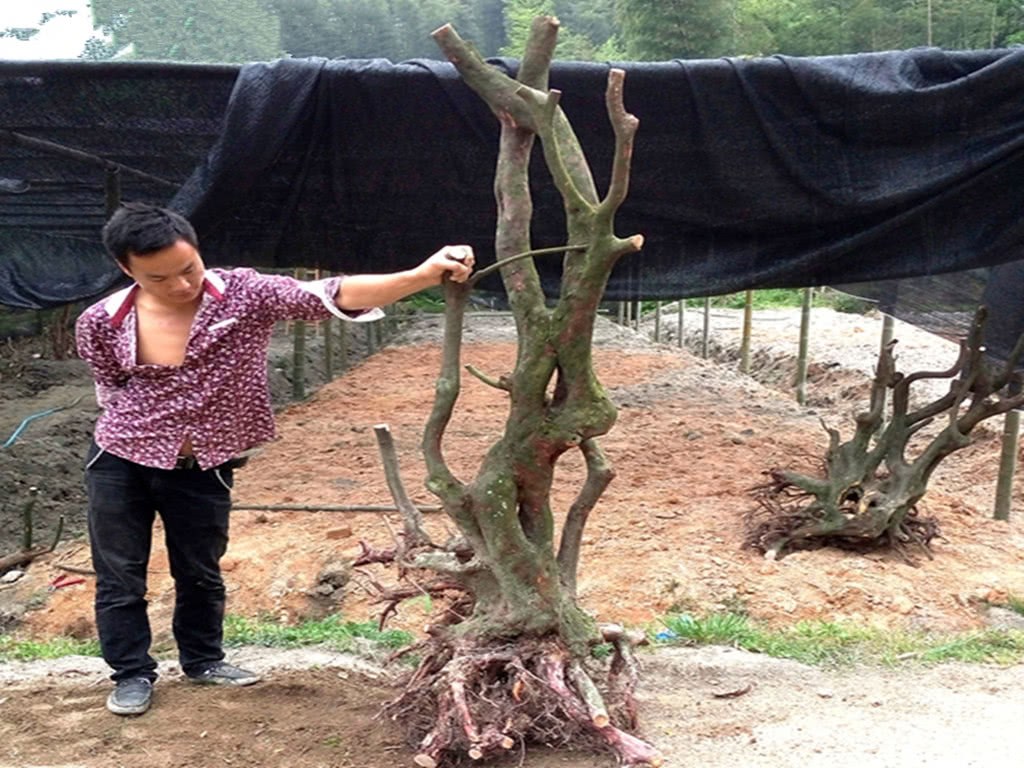
Villager finds an unusual stump by a ditch, observes the surroundings, and immediately calls the police
Uncle Yao found an unusual stump by a ditch, carefully observed the surroundings, and immediately called the police. Uncle Yao is a true rural man who quite enjoys growing stumps; after finishing his farm work, he always finds time to go into the mountains and look for some flowers, plants, and tree stumps...
-
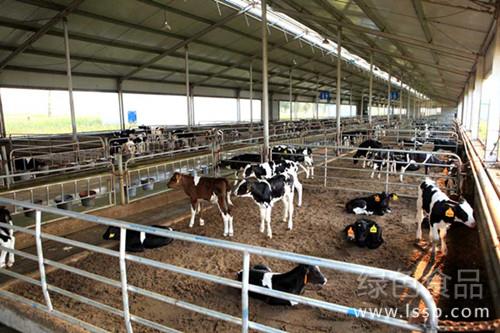
To raise healthy calves well, learn to observe four things: the feed trough, the feces, the eating behavior, and the belly.
To raise healthy calves well, learn to observe four things: the feed trough, the feces, the eating behavior, and the belly.
-
Weakening pathogenicity observed in H5N1 avian influenza virus
On the phenomenon of weakened H5N1 pathogenicity
-
How to Observe the Flock's Condition During the Laying Period of Broiler Breeders
What to Observe in the Flock's Condition During the Laying Period of Broiler Breeders
-
Take a little urban-rural excursion to observe the field-based learning at the Beitou Hudi Community Garden.
Driven by the Garden City policy, community gardens in Taipei City have been sprouting up everywhere in recent years. The Taipei City Government Department of Economic Development has further actively integrated and connected community gardens with urban agriculture, hoping that through positive exchanges of technology and experience between the two,...
-
Observe the growth of cotton bolls and apply the cotton flowering and boll fertilizer precisely
In the middle and late stages of cotton growth, flowering and boll fertilizer should be applied accurately according to changes in bolls and leaf color. Generally, where soil fertility is good, seedling and bud fertilizer is plentiful, growth during the bud and flowering stage is vigorous, leaves are large, leaf color is deep, internodes are sparse, bracts do not tightly enclose the flower buds, few bolls are set, and leaf color does not fade at early flowering, flowering and boll fertilizer in such cotton fields should not be applied early; it should be postponed until bolls increase and leaf color turns lighter. Conversely, where soil fertility is poor, seedling and bud fertilizer is applied in small amounts, growth during the bud and flowering stage is weak, leaves are small, leaf color is light, internodes are short and thin, bract color is light, flower buds are few, and leaf color is pale yellow at early flowering, 5-8 kg of urea per mu can be applied as a relay fertilizer
-
How Beekeepers Observe Bees Outside the Hive to Judge Conditions Inside
Honeybees are social insects that prefer a stable, quiet environment. In artificial beekeeping, opening the hive to inspect the bees is unavoidable due to production needs. But if the hive is opened too often and too frequently, it will inevitably disturb the colony's stability, and may even cause the colony to refuse the "climate" and abscond as a whole. Under normal temperature conditions, several bees stand at the hive entrance, not biting the entrance, not vibrating their wings, not crawling over one another, only paying a little "attention" to bees going in and out, or slightly following them; worker bees enter and exit one after another in succession; returning bees are either big-bellied, or have pollen pellets stuck to two legs.
条件筛选