To raise healthy calves well, learn to observe four things: the feed trough, the feces, the eating behavior, and the belly.
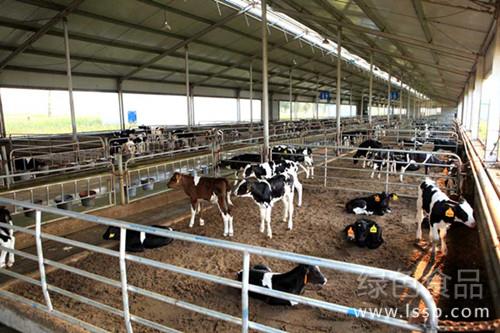
Calves
Observe the feed trough:
If a calf does not finish the feed in the trough and walks away with its head raised, this indicates the calf has been fed too much (calves under 4 weeks of age have not yet developed the habit of eating feed, and some feed will be left in the trough after each feeding); if only map-like traces of feed residue licked on the bottom and sides of the trough remain, this indicates the feed amount is moderate; if the trough is licked completely clean, this indicates the feed amount is insufficient.
Observe the feces:
If the calf's feces increase day by day and are slightly thicker than when it was fed only milk, this indicates the feed amount is normal. As the feed amount increases, the calf's defecation forms a new pattern, mostly defecating around the morning and evening feedings each day. The feces appear as countless lumps merged together, glossy and soft like the feces of an adult cow. If the calf's feces are porridge-like in shape, this indicates the feed amount is too much; if the feces are as thin as swill and the rump is stained with wet manure, this indicates the feed amount is too large or the water is too cold. At this point, simply stop feeding twice, then add powdered corn, wheat bran, etc. to the feed, and the diarrhea will stop.
Observe the eating behavior:
With a fixed feeding time, after about 10 days the calf can develop a conditioned reflex, and thereafter every day when feeding time arrives, the calf runs over looking for food, which indicates the feed amount is normal; if the calf, after finishing the feed, paces back and forth in front of the feeding room door, gazing at the keeper and refusing to leave, this indicates the feed amount is insufficient; if at feeding time the calf is unwilling to come to the trough and ignores the keeper's calls, this indicates the previous feeding was too much, or the calf may be suffering from a disease.
Observe the belly:
At feeding time, if the calf's belly is noticeably sunken and it is unwilling to come to the trough to eat, this indicates the calf may have caught a cold or is suffering from indigestion; if the calf's belly is noticeably sunken and its appetite response is also strong, but it only sniffs at the trough and then walks away after a moment, this indicates the feed change is too great and unpalatable, or the feed moisture content is too high or too low; if the calf's belly is distended and it does not eat, this indicates it ate too much last time, and skipping one feeding will improve it.