-

How to Grow Asparagus? Detailed Explanation of Methods and Key Technical Points
I. Planting Preparation 1. First observe whether asparagus can grow in the planting location. If the local soil can freeze solid in winter, it indicates the site is unsuitable for planting. Although asparagus is cold-hardy by nature, it is very troublesome to grow in places that are very humid in summer and mild in winter.
-
How to Grow Asparagus? Planting Methods and Key Field Management Points
I. Planting Preparation 1. First observe whether asparagus can grow in the planting site. If the local soil freezes solid in winter, it is not suitable for planting. Although asparagus is cold-hardy by nature, it is very troublesome to grow in places that are very humid in summer and relatively mild in winter.
-
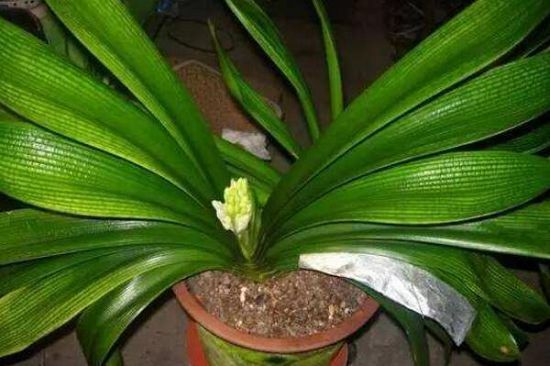
Can Yellowing Clivia Leaves Be Cut? Don't Rush - Observe First, Then Prune
Can yellowing Clivia leaves be cut? Don't rush to prune, observe the situation first
-
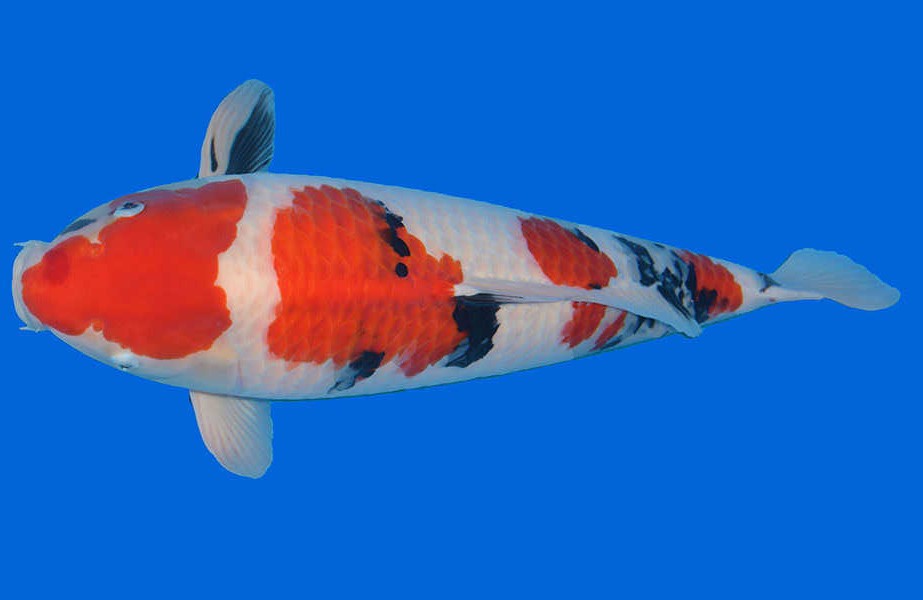
How Can You Tell If a Koi Is Healthy? Learn to Observe the Health Status of Fish
The health status of fish should be carefully observed before deciding to buy them, because fish in poor health are often the source of disease transmission in the aquarium later on, and for an aquarium that is already in a stable condition, this is extremely destructive....
-
Volunteer weather observers active in mountain villages
The volunteer weather observer in a mountain village
-
How to observe and diagnose sheep diseases? These six methods you need to know
Inspection is the direct observation of the sheep's mental state and the various abnormal changes it presents. Healthy sheep generally compete for feed, move at the same speed, and react quickly; sick sheep often lag behind the flock, stop eating, stand still, or lie down. Posture: healthy sheep have bright, spirited eyes and move lively and steadily; when sheep are sick they often show unsteady movement or are unwilling to walk, and some infectious diseases also present special postures, such as tetanus manifesting as stiff limbs, and sheep with coenurosis (brain tapeworm cysts) or sheep nasal bot fly turning in circles, and lameness. Body condition: generally, in cases of acute anthrax, sheep bradsot (fast disease), sheep black disease, sheep (sheep sudden death), sheep enterotoxemia, etc., the sick sheep's body may still appear fat and strong; on the contrary, when generally suffering from chronic infectious diseases and parasitic diseases, sick sheep are mostly thin and weak.
-
How to observe the life history of sexual reproduction in Gastrodia elata
The seeds of Gastrodia elata are composed of an embryo and a single layer of cells, with no endosperm. The seeds are very small, averaging 0.69 mm in length and 0.14 mm in width, with the embryo averaging 187 micrometers in length. When sown in early June, half a month later the embryo cells begin to differentiate, the embryo diameter increases noticeably, the middle of the seed swells, the suspensor is dark in color, and the newly differentiated cells at the apex of the embryo are light in color; then the seed coat ruptures at this end, and the embryo breaks through the seed coat. July happens to be the rainy season in the production areas, with soil temperature around 25°C and soil moisture around 60%. The Gastrodia elata seeds germinate one after another, and 26 days after sowing they grow to a length of
-
How are bee diseases diagnosed? Observe the bee's body to identify the disease
State. Sick bees often appear dull, slow to respond, listless, unable to take flight, restless, resting on one side, or slowly rolling and crawling inside and outside the hive. Head. A healthy bee's head moves freely; when it shakes its head and scratches, it may have parasites such as bee mites. Wings. A healthy bee has 4 intact wings that open and close freely and allow free flight. A sick bee's wings are incomplete, or it quivers its wings and loses the ability to fly. Some young bees have curled wings, mostly due to curled-wing disease, and incomplete wings are mostly caused by bee mite damage.
-
How to observe sick pigs? Master these methods to detect pig diseases early
Check the demeanor. Healthy pigs are spirited, with tails raised and swinging freely; sick pigs are listless, move slowly, prefer to lie still, and have drooping tails. Check the appetite. Healthy pigs have a strong appetite; sick pigs show a sudden loss of appetite, abnormal eating habits, or even stop eating. If a pig's appetite decreases and it drinks a lot of water, it is mostly a febrile disease. Check nasal discharge. Healthy pigs have no nasal discharge; if a pig has clear nasal discharge, it is mostly a wind-cold cold, thick and sticky nasal discharge indicates heat in the lungs, and nasal discharge containing foam indicates diseases such as pulmonary edema or chronic bronchitis. Check the feces. Heal
-
How do you identify sheep diseases? Remember these eight points to observe
With the adjustment of the structure of livestock breeds, Boer goat farming has become the first choice for farmers to get rich and reach a moderately prosperous life. Boer goats are an introduced breed, few in number and expensive. In addition to strengthening feeding management, the growth and activity of Boer goats should be observed frequently to ensure timely treatment in the early stage of illness and reduce losses. Generally, the following aspects are carefully observed and comprehensively judged to determine whether they are sick. 1. Look at the demeanor. Healthy Boer goats are full of energy, move agilely, and have bright eyes. Sick goats are sluggish, prefer to lie down, hang their heads, shed tears, and are afraid of light. 2. Look at feed
条件筛选