-
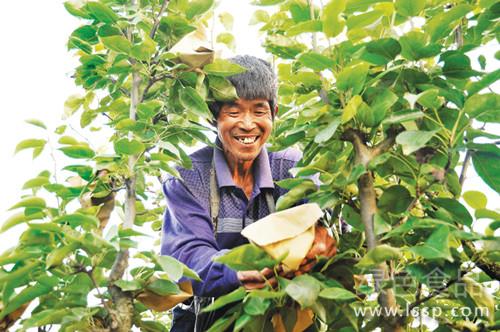
Notes on bagging pears to reduce pesticide residues and improve flavor
Notes on bagging pears to reduce pesticide residues and improve pear flavor
-

Notes on Managing Greenhouse Vegetables in Low-Temperature Rain and Snow Weather
Notes on Managing Greenhouse Vegetables in Low-Temperature Rain and Snow Weather
-

Potted Lantern Flower: Growing Methods and Care Notes (with pictures)
Lantern flower, also known as bell flower, hanging fuchsia, and pendant bell begonia, is a perennial herbaceous flowering plant of the genus Fuchsia in the evening primrose family. It has many varieties, with the main flower colors being red, purple, and white. Although it is delicate and beautiful, it cannot withstand the scorching sun of hot summers, so care must be taken during cultivation.
-
Colored Calla Lily Propagation Methods and Cultivation Notes (with pictures)
Colored calla lily is the general term for species and hybrid varieties in the genus Zantedeschia (calla lily) of the Araceae family other than the white calla lily. It is native to central and southern Africa and is often used to make bouquets, flower baskets, wreaths and vase arrangements. Dwarf and small-flowered varieties are grown in pots and placed on steps, windowsills, balconies and in front of mirrors, planted in gardens, or grouped beside pools or rock piles.
-
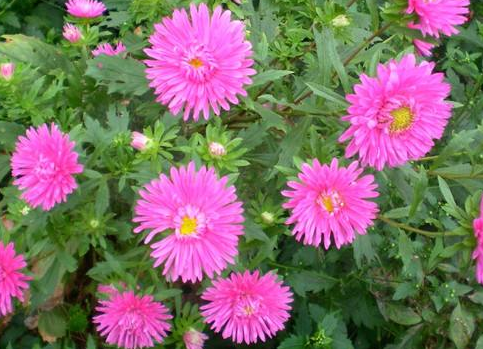
How to Grow China Asters? A Full Breakdown of Care Notes
1. Pruning China asters generally do not need pinching. Usually, sparse side branches are pruned regularly so that the flowers on the main branches grow better. 2. Light China asters like sunlight. Maintaining 15 hours of light per day will make the plants grow more vigorously and also keep them relatively short and sturdy. 3. Watering Water China asters moderately, keeping the potting soil moist.
-
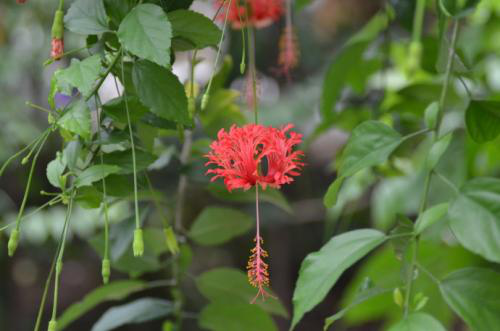
Notes on growing the hanging lamp hibiscus (Chinese lantern hibiscus) as a potted plant at home
1. Root-knot nematode disease. This is a widely distributed and seriously damaging disease, especially common when growing the hanging lamp hibiscus. When red-brown necrotic spots appear on the leaf edges and spread inward, you need to be on guard. At this point you can repot the soil and apply aldicarb granules to the new soil.
-
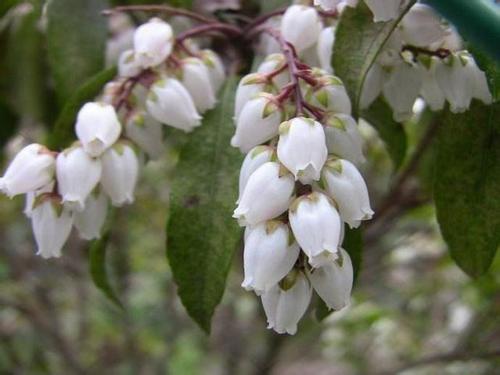
Is Pieris japonica Poisonous? Notes on Keeping It Indoors
After checking the relevant information, Pieris japonica does contain toxins, which is to say, Pieris japonica is poisonous, and the entire plant of Pieris japonica is toxic. If animals ingest it by mistake, they will show symptoms of vomiting and abdominal pain, and in severe cases it can also lead to problems such as coma and difficulty breathing. Although the whole plant of Pieris japonica is toxic
-
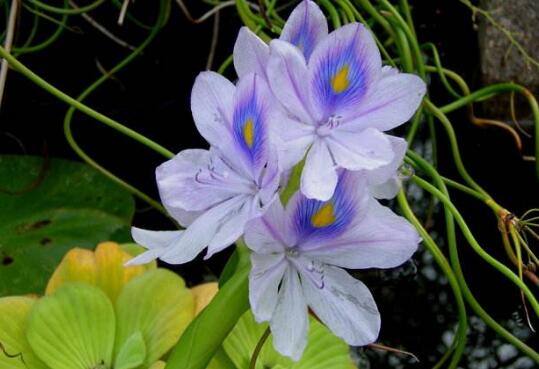
How to grow water hyacinth? Growing methods and notes on environmental ventilation
Water hyacinth is a flowering plant native to Brazil, later introduced to China, and today it can be seen in many parts of China. However, there are many things to pay attention to if you want to grow it well. How do you grow water hyacinth? What are the growing methods and notes for water hyacinth?
-
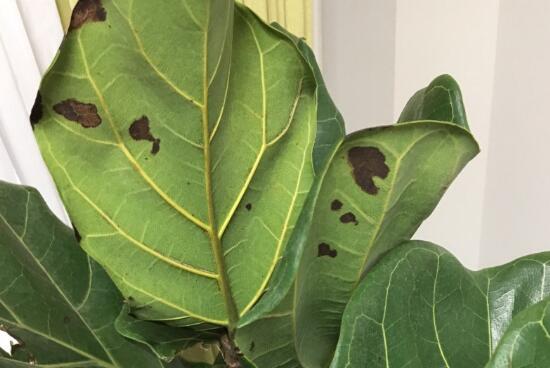
What to Do When Fiddle-Leaf Fig Leaves Develop Rust Spots? Causes and Notes on Watering and Temperature
The fiddle-leaf fig (Ficus lyrata), a beautiful foliage plant, has large, shapely leaves that look like a cello, and it stays green all year round, making it deeply loved by plant enthusiasts. But during cultivation, many growers find that their fiddle-leaf fig leaves develop rust spots, which seriously affects the plant's ornamental value, and they are eager to know what to do when fiddle-leaf fig develops rust spots
-
How to grow potted peonies? Cultivation methods and notes on fertilizing three times
Peony flowers should be familiar to gardening enthusiasts. They are often mistaken for tree peonies, because the way they look after blooming is really so similar! But similar as they are, their habits are very different, and this becomes obvious during the process of growing them. So how do you grow peony flowers?
条件筛选