-
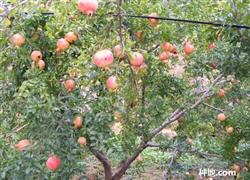
What are the key points to note when planting a pomegranate tree?
What are the key points to note about pomegranate trees? Please explain. Growing location: pomegranates like plenty of sunlight. When there is insufficient sunlight, the plant not only becomes weak and leggy, but also flowers poorly. However, it is tolerant of both drought and cold, so when choosing a growing location, you should choose one with full sun. It should be noted that pomegranates do not tolerate waterlogging...
-
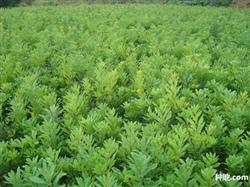
What should be noted when planting bayberry? These matters cannot be ignored
What should be noted when planting bayberry? Please explain: For bayberry, it is advisable to choose uncultivated red-yellow soil hilly and mountainous land for large-scale intensive development. Bayberry is both an economic forest, which after establishment helps improve land utilization and increase farmers' income, and an ecological forest, which after establishment helps improve the ecological environment, with very significant economic benefits and...
-

-
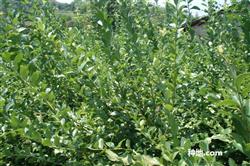
What should be noted when growing blueberries?
What should be noted when growing blueberries? Please guide. When growing blueberries, note the following: Soil improvement: Soil organic matter content and pH value are important factors for the survival of blueberry cultivation. Generally, soil with an organic matter content of 5% and a pH value of 4.0-5.5 is required; otherwise, improvement is needed. When the organic matter content is lower than 5%, before planting...
-

-
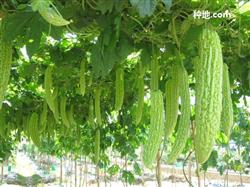
What should be noted when cultivating bitter melon?
What should be noted when cultivating bitter melon? Please advise. Bitter melon is a short-day plant that likes warmth, light, heat and moisture, and does not tolerate shade. It is not strict about day length, and longer light periods favor its good growth. It has high requirements for soil moisture and air humidity, but does not tolerate waterlogging; it has wide adaptability and can be cultivated in many soils in both northern and southern China...
-
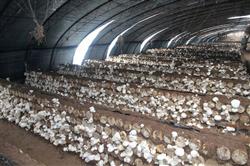
What should be noted when growing White Lingzhi mushrooms (Pleurotus nebrodensis) in soil-covered ground beds?
The White Lingzhi mushroom (Pleurotus nebrodensis) is a culinary mushroom variety with relatively low yields; generally, three-dimensional wall-style cultivation can achieve a biological conversion rate of 30-40%. To increase the yield of White Lingzhi mushrooms, a soil-covered ground bed cultivation model can be adopted; with proper management, this method produces very high yields. According to the author's extensive trials, the biological conversion rate of ground-bed-cultivated White Lingzhi mushrooms can reach 80-100...
-
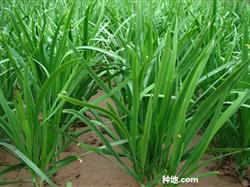
What should be noted when transplanting garlic chives?
How should a garlic chive field be managed? Please advise. After garlic chives turn green again, the withered leaves and weeds on the above-ground part should be cleared away early, the bed surface leveled, and the bed ridges tidied, so that the base of the plants can better receive sunlight, raise the soil temperature, and promote sprouting. When the soil thaws and new shoots emerge, a topdressing of diluted manure water can be applied once to promote new tender shoots. After 3 to 4 days, cultivate and loosen the soil once...
-
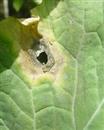
What three things should be noted in spring management of dryland rapeseed?
Sclerotinia rot of rapeseed is a major disease harming rapeseed, and its control must be taken seriously to reduce the damage and minimize losses. Symptoms: when the disease occurs, the lesions on rapeseed leaves are round or irregular, grayish brown or yellow-brown in the center, dark bluish in the middle, with a yellow halo on the outer edge. When dry, the lesions rupture and perforate; under humid conditions...
-
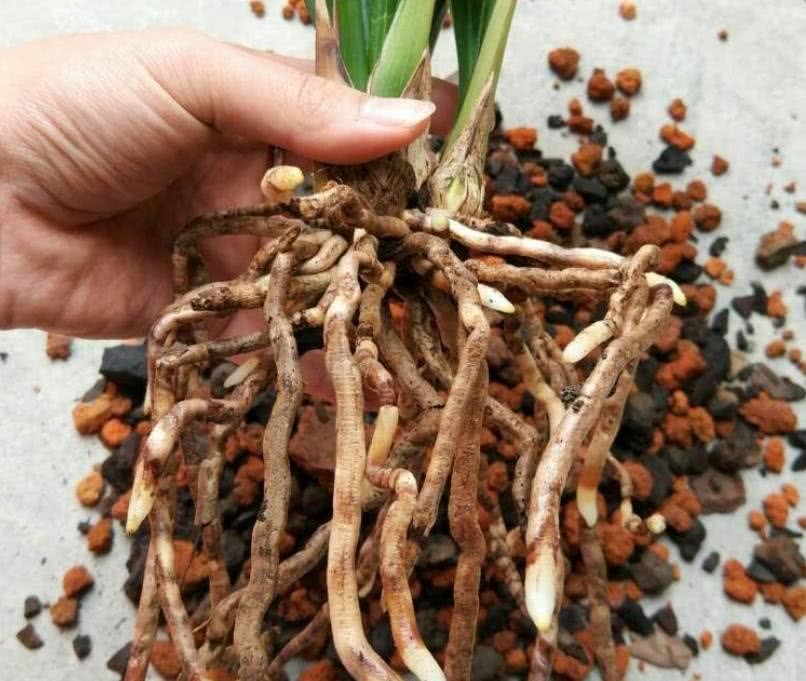
This treasure in the yard has flowers as striking as a big banknote, and it needs tending every time I come home each year.
Every year when I come home I have to fuss over this treasure in the yard, I just can't keep my hands off it! Cymbidium sinense 'Red Sun', also known as Red Bud Qihei, evolved as a mutation from Cymbidium sinense Qihei, one of Guangdong's traditional four great cymbidium varieties. The new buds show variegation first, and the flowers are red with an indistinct green tip.
条件筛选