-
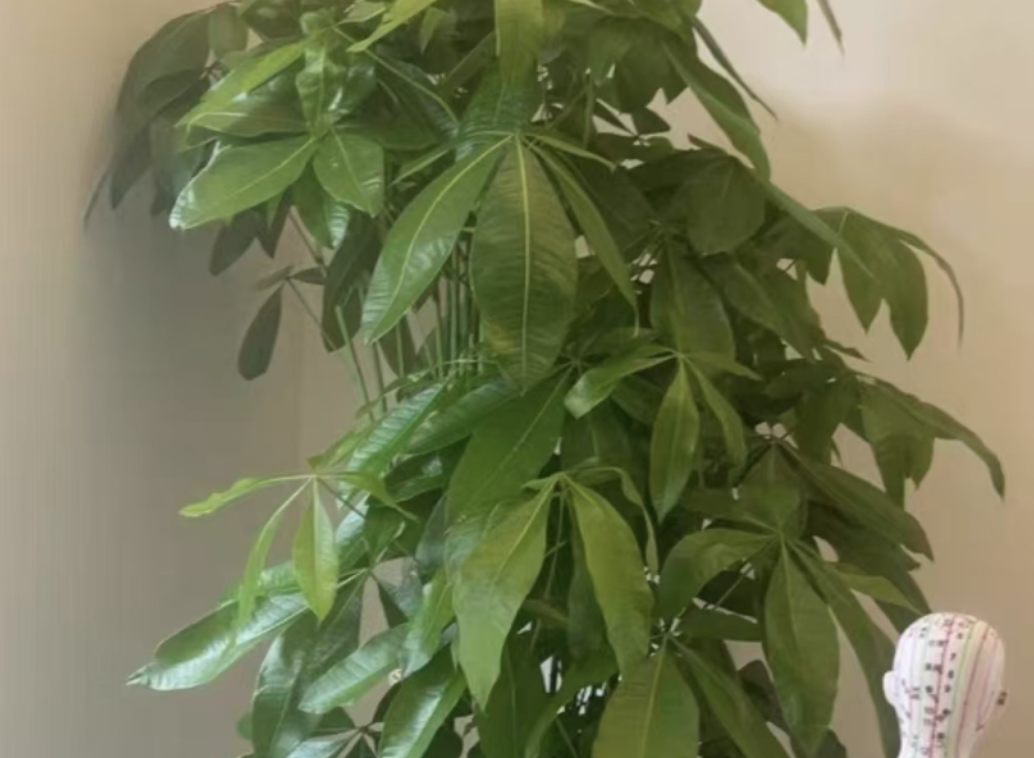
What causes the Pachira aquatica (money tree) to turn yellow?
Today, I'm going to share a kind of herbaceous potted plant with a very auspicious meaning - the "Pachira aquatica (money tree)". In terms of appearance, it
-
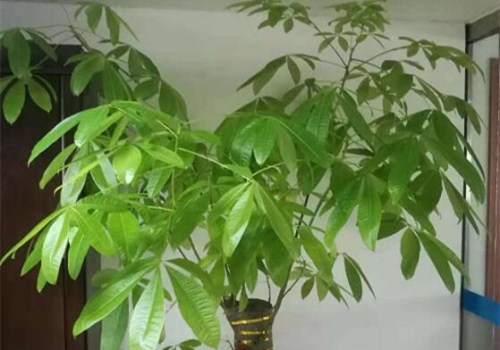
What to Do When a Money Tree (Pachira aquatica) Has Yellow Leaves? Find the Cause and Solve It Easily
The money tree's scientific name is Pachira aquatica, a plant in the order Malvales, family Malvaceae (formerly Bombacaceae), symbolizing wealth. It grows 4-5 m tall, has an umbrella-like shape, is fairly shade-tolerant, easy to care for, and very suitable for indoor cultivation. Although it is easy to care for, improper care can still cause yellow leaves. So what should you do when a money tree has yellow leaves? In fact,
-
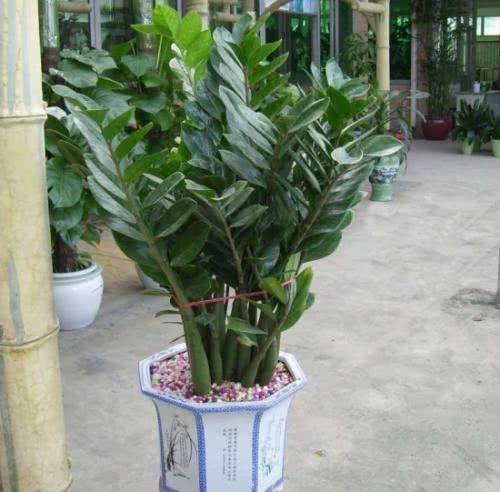
When a potted money tree's leaves turn yellow and drop heavily, it's usually due to these three reasons; after one cut, it turns lush green again
The money tree, also known as Zamioculcas zamiifolia, is a rare foliage plant with underground tubers. New shoots emerge from the tubers and eventually grow into large compound leaves. The leaves are glossy green and very attractive. It likes light but is also extremely tolerant of shade, making it very suitable for placing in...
-

How to grow a money tree hydroponically? The key technical points explained in one go
1. Money trees can be propagated into hydroponic plantlets using the water-cutting method or the root-washing method. The former involves selecting good-quality shoot tips and inserting them into water; they root and survive easily, but the base will not swell, so the ornamental value is not high, and therefore it is rarely used. For the root-washing method, select a soil-grown plant that is robust, free of pests and diseases, and compact in shape.
-
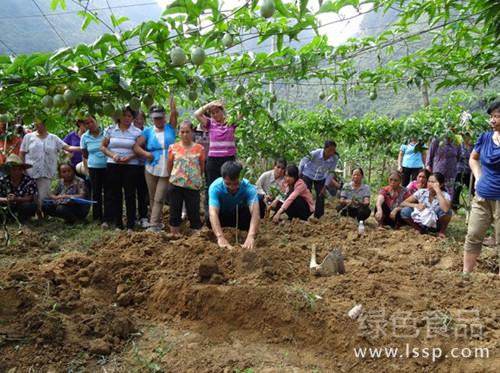
Key points of passion fruit cultivation techniques: wide market, high benefits, truly a money tree
Wide market and high benefits make it a money tree: key points of passion fruit cultivation techniques
-
What is the difference between the money tree and the dwarf umbrella tree? A quick guide to tell them apart
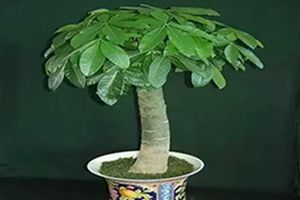
The former originates from Mexico and belongs to the Malvaceae family, genus Pachira, while the latter belongs to the Araliaceae family, genus Schefflera. Their leaves are both palm-shaped, but the former can grow 5-11 leaflets, while the latter has only 6-9 leaflets. The former's leaves are oblong, hairless and rather soft; the latter's leaves are serrated, with a papery feel, and rather stiff. The former's flowers are pale yellow, the latter's are white; the former blooms from May to November, the latter blooms from November to December.
-
What to do when the leaves of a money tree develop spots? I'll teach you the correct way to handle it.
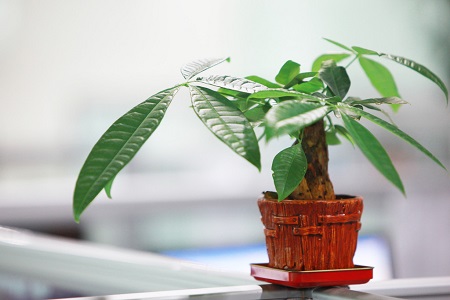
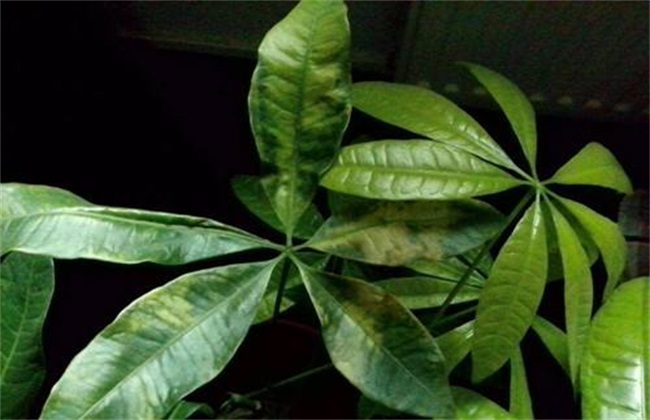
When this kind of situation appears, there are generally two possibilities. One is a disease called "leaf spot disease." If this is the cause, then the first thing to do is deal with the diseased leaves. Then, depending on how severe the situation is, spray a carbendazim or chlorothalonil solution. After that, you need to improve the environment, such as ventilation. The second possibility is improper care, mainly too much water, too much light, or too low a temperature. In that case, the corresponding approach is to adjust the factors mentioned above, and do not pour tea leaves, coffee, and the like into its pot.
-
-
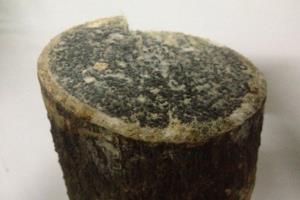
Is a Money Tree with Mold Spots on Its Trunk Diseased and How Should It Be Resolved
Is a Money Tree with Mold Spots on Its Trunk Diseased and How Should It Be Resolved
-
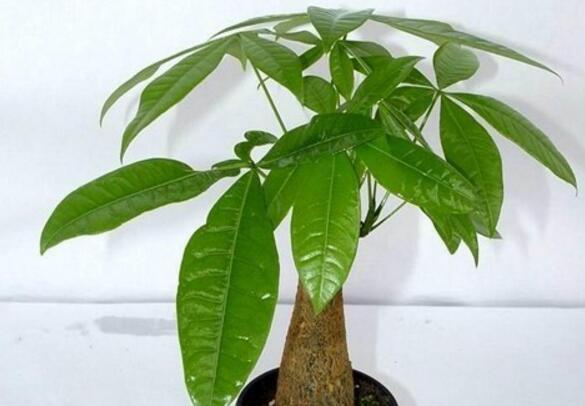
What to Do About a Leggy Money Tree? Master the Timely Pruning Solution
As an excellent choice for indoor growing, the money tree (Pachira aquatica) has three advantages: an auspicious meaning, a sturdy and handsome form, and lush green leaves, which is why it is so widely welcomed and loved. However, for certain reasons, the money tree can become leggy, which seriously harms its ornamental value. So what should you do about a leggy money tree?
条件筛选