-
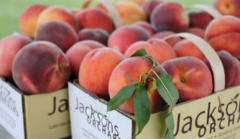
Characteristics of the Mexican Yellow Peach and Its Growing Techniques and Management Notes
The large fruit of the Mexican yellow peach has a striking red blush and is sweet and juicy. This low-fuzz fruit is delicious eaten straight from the tree, but the firmness of this peach makes it the best choice for freezing. USDA plant hardiness zones 4 to 8 are ideal
-
Characteristics of the Mexico Yellow Peach, Growing Techniques, and Management Notes
The large fruit of the Mexico yellow peach has a striking red blush and is sweet and juicy. This low-fuzz fruit is delicious eaten straight from the tree, but the firmness of this peach makes it the best choice for freezing. USDA plant hardiness zones 4 to 8 are ideal
-

How to Grow a Succulent Peach Egg into an Old Stump? Detailed Care Tips
Peach Egg refers to a succulent plant native to Mexico, with plump, round flesh and leaves in pale purple or pink, often grown as a potted plant. So how do you grow it into an old stump? Let's find out below. How to grow Peach Egg into an old stump? Generally, natural grow
-
When to Plant Pumpkins? A Complete Guide to the Latest Planting Times
The pumpkin is native to the region from Mexico to Central America and is widely cultivated around the world. It was introduced to China during the Ming Dynasty and is now widely grown in both the north and the south. In China, it is grown most extensively in the Northeast, and is especially widespread in Hubei Province in central China and Heilongjiang in the Northeast. China is the world's second-largest producer of pumpkins, and with advantages such as abundant raw materials and cheap labor, it has the capacity to capture the international market.
-
How to propagate Phlox? Introduction to the latest propagation methods
Phlox is native to Mexico and is cultivated in gardens all over China, mostly as potted plants for setting up flower beds in early spring. Its flower colors include light red, deep red, purple, white, light yellow and others, with bright colors and high ornamental value. So do you know how it is propagated?
-
Latest Flower Language and Symbolism of the Monstera deliciosa Explained
The Monstera deliciosa is native to the tropical rainforests of Mexico. Its leaves are ovate, with many oblong holes and deep splits scattered between the pinnate veins in a turtle-shell pattern. Its shape resembles a turtle-shell design, and its stem has nodes like a bamboo stalk, hence the name Monstera deliciosa. It is a well-known large indoor potted foliage plant,
-
How to Keep Teapot Fish? Practical Care Methods and Precautions
Teapot fish are distributed in Mexico. They are one of the more difficult species to keep among livebearing fish, and are especially hard to keep alive in aquariums without sunlight exposure. So how do you keep teapot fish? 1. Choosing bait. Teapot fish are omnivorous fish. In daily keeping, feed them
-
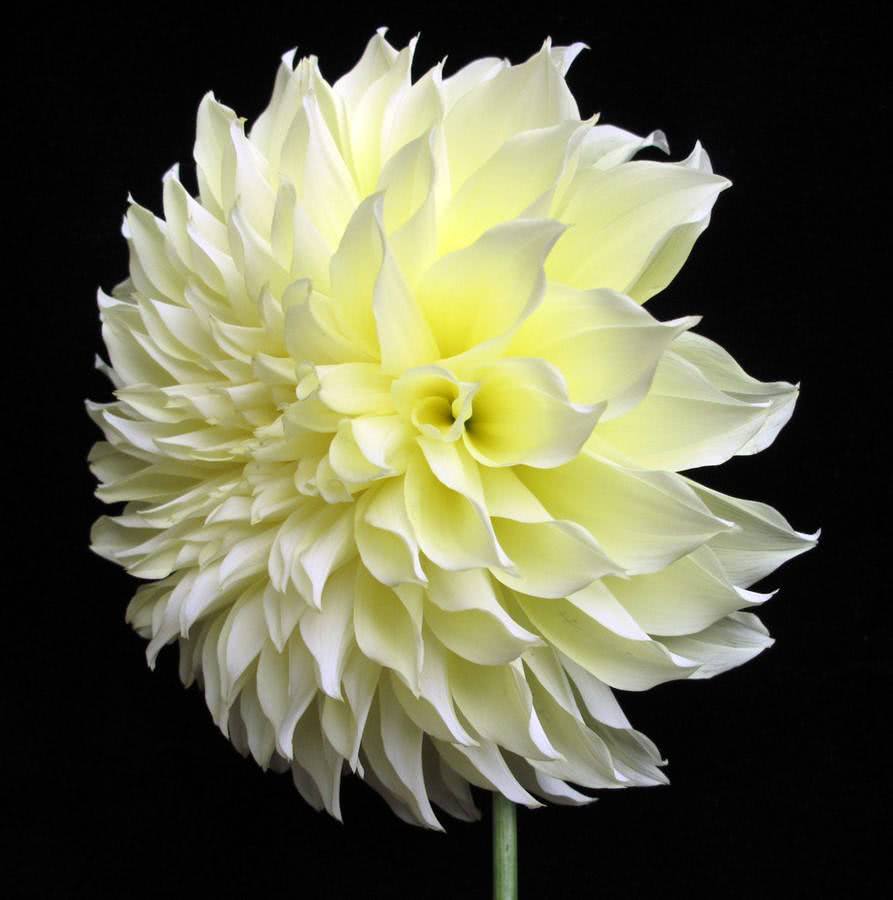
What kind of flower is the dahlia? Introducing Mexico's national flower
Dahlia, also known as dahlia, Tianzhu peony, Japanese chrysanthemum, dahlia chrysanthemum, and sweet potato flower, is a plant in the Asteraceae family and the genus Dahlia. It is a perennial herb with huge club-shaped tuberous roots. The stem is upright, much branched, 1.5-2 m tall, and stout. Native to Mexico...
-
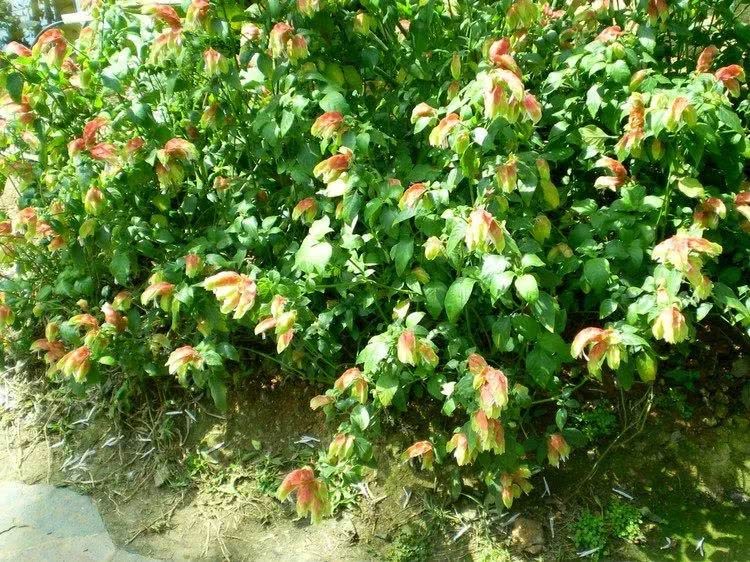
This wild grass comes from Mexico. People only know it for its beautiful flowers, but they do not know it is the "qilin spitting pearls."
Warm reminder: Hemu Report aims to share and popularize information about various plants and their uses, for reference only. If medicinal use is needed, it is recommended to consult a professional physician to avoid problems! Our country is vast and rich in resources, and wild plant resources are also quite abundant, especially...
-
What are Heliconia spissa Griggs cv. Mexico Red, Heliconia schiedeana, and Heliconia hirsuta?
1. Heliconia spissa Griggs cv. Mexico Red, an upright-inflorescence species in the family Heliconiaceae, order Zingiberales. (1) Morphological characteristics: a perennial evergreen clumping herbaceous plant. Plant height 1.5-2.5 m. Leaf blades split into segments along the midrib. Inflorescence terminal, upright; inflorescence axis red to pink; bracts 5-7, red to pink, the distal end of the lower bracts green; sepals yellow with green tips; pedicels yellow-green; ovary green. Flowering period February
条件筛选