Characteristics of the Mexico Yellow Peach, Growing Techniques, and Management Notes
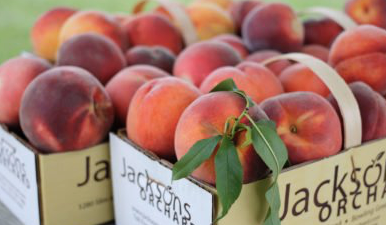
The large fruit of the Mexico yellow peach has a striking red blush and is sweet and juicy. This low-fuzz fruit is delicious eaten straight from the tree, but the firmness of this peach makes it the best choice for freezing.
USDA plant hardiness zones 4 to 8 are ideal for this vigorous, productive tree, because like all peach trees, Mexico needs winter chilling. Read on to learn more about the Mexico yellow peach. Mexico Peach Information The Mexico peach was introduced by the New Jersey Agricultural Experiment Station at Rutgers University. The Mexico peach tree earned good reviews for its vigorous growth habit and low susceptibility to bacterial leaf spot.
Depending on the climate, look for Mexico peaches to ripen between mid-July and mid-August. Mexico Peach Care The Mexico tree is self-pollinating. However, a nearby pollinator may result in a larger crop. Choose a variety that blooms relatively early, like the Mexico peach. Plant this peach tree where it receives at least six to eight hours of full sun per day.
Avoid heavy clay locations, because growing Mexico peaches requires well-drained soil. Peach trees may also struggle in sandy, fast-draining conditions. Before planting, amend the soil with plenty of rotted manure, dry leaves, grass clippings or compost. Do not add fertilizer to the planting hole.
Once established, Mexico peach trees generally do not need much supplemental irrigation if you have regular rainfall. If the weather is hot and dry, soak the tree thoroughly every 7 to 10 days. Fertilize Mexico when the tree begins to bear fruit. Before that, rotted manure or compost is sufficient unless the soil is very poor. Feed the peach tree in early spring with a peach tree or orchard fertilizer.
Do not fertilize the peach tree after July 1, because a flush of new growth is vulnerable to winter freezing. Pruning the Mexico peach tree is most effective when the tree is dormant; otherwise, you may weaken the tree. However, you can prune lightly in summer to tidy up the tree. Remove suckers as they appear, because they draw water and nutrients from the tree.