-
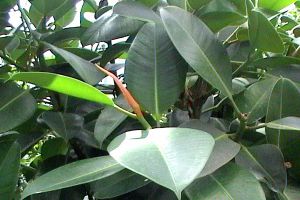
What to Do When a Rubber Plant Develops Black Spots? Causes and Control Methods
Things can go wrong as a rubber plant grows, for example it may develop black spots. In this case, the first thing to do is determine the cause. If it is anthracnose, the spots start out brownish-green and gradually darken; at this point we should cut off the diseased branches and leaves and treat it with anthracnose thiram or zineb. If it is gray spot disease, the spots are black on the outside and white on the inside; in this case we need to cut off the diseased leaves and treat it with carbendazim.
-
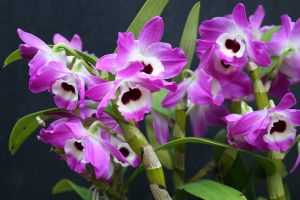
How to eat Dendrobium nobile? Introduction to common consumption methods
Although this plant is a fairly well-known medicinal herb in our country's history, many people still do not understand it. For example, did you know it can be eaten? In fact, it can not only be eaten, but also has multiple ways of preparation. For example, juicing, cooking into dishes, eating fresh, soaking in liquor, brewing as tea, and so on. Want to know how to do it specifically? Then keep reading.
-
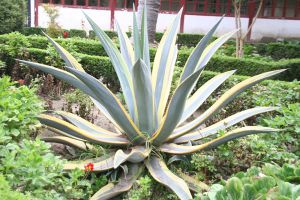
What Soil Is Best for Growing Agave? A Detailed Guide to Soil Mixing Methods
As is well known, if you want to grow a type of plant, the growing soil is very important. This is also true for this plant. Specifically, it needs to meet requirements such as looseness, water permeability, air permeability and nutrients. We can mix 40 percent leaf mold, 30 percent pine needle soil, 20 percent coarse sand and 10 percent bone meal (or phosphate rock powder) together to use as its growing soil.
-

-
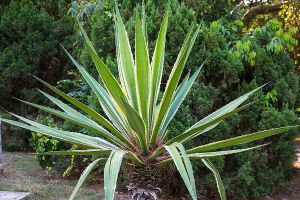
Can Agave americana 'Marginata' be grown hydroponically? Introduction to hydroponic cultivation methods
As people's expectations for life rise, soil-grown plants can no longer satisfy plant lovers' passion, so people are starting to try hydroponics. Today we will discuss whether Agave americana 'Marginata' can be grown hydroponically. The answer is: yes. When growing it hydroponically, you can even keep a few small fish in the container, giving the whole setup a lively feel. Below, the editor will explain the specific hydroponic methods.
-
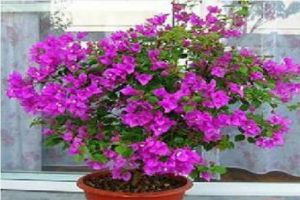
What soil is best for bougainvillea? A detailed guide to soil mixing methods
Apart from garden soil, other soils are all quite suitable for it. We can generally use our own custom mix with a pH of around 6-6.5, ensuring it is loose enough and breathable enough, which is very suitable for it. If the soil used tends toward alkaline and is heavily prone to waterlogging, it will cause its roots to rot, making it difficult for it to grow.
-
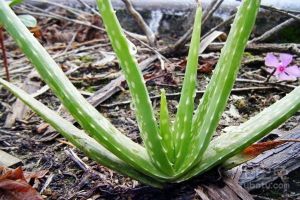
How to Propagate Aloe vera (Chinese Aloe)? Detailed Guide to Common Propagation Methods
When growing aloe, we may want to grow another pot of aloe ourselves, and that is when we need to propagate it. There are two specific methods. The first is division, in which you pull its stem base off the mother plant, or peel off the small plantlets that grow from its roots, and then plant them in soil. The second is leaf cuttings, in which you cut off a healthy, vigorous leaf, disinfect it and let it dry for a few days, and once the wound has dried, insert it into fresh potting soil.
-
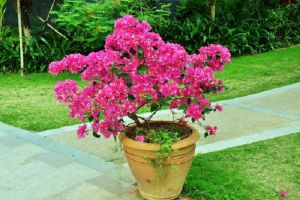
Bougainvillea Potted Growing Methods and Precautions
To grow a healthy potted bougainvillea, first give it plenty of sunlight and a moderate amount of water, and note that from mid-August you should reduce the amount of water you give it. In addition, during the growing period, prune it and supplement with an appropriate amount of fertilizer to help it produce more flowers. Finally, don't forget to repot it every spring, and be careful not to damage its roots when doing so.
-
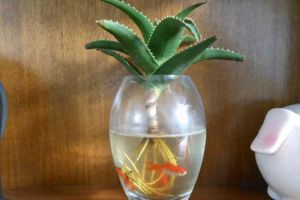
How to grow aloe vera hydroponically? Detailed guide to methods and precautions
Most of the aloe vera we see in daily life is grown in soil, but few people know it can also be grown hydroponically. So how do you grow it that way? First comes sunlight and nutrient solution. Before it grows roots, it must not be exposed to light, nor should it be given nutrient solution. Once its roots have grown well, you can gradually let it enjoy the sun and give it nutrient solution. The nutrient solution must be replaced regularly; in summer, be careful to moderately reduce light, and in winter, moderately increase the temperature.
-
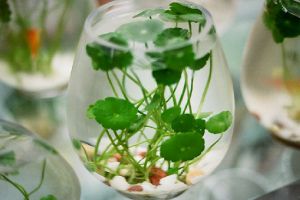
How to Grow Pennywort in Water? Detailed Guide to Methods and Precautions
Many gardening enthusiasts love growing pennywort (Hydrocotyle vulgaris) in water, but don't know how to care for it. Actually, it's not difficult. First, we need to ensure the quality of the water - it should be clean with low salinity. If using tap water, it needs to be left to stand, and the water should be changed about once a week. Second, it needs at least 4 hours of light daily, flower fertilizer should be added every two to three weeks, and the temperature should be adjusted to between 16-24°C. Finally, when it grows very lush, you need to prune its branches and leaves.
条件筛选