-
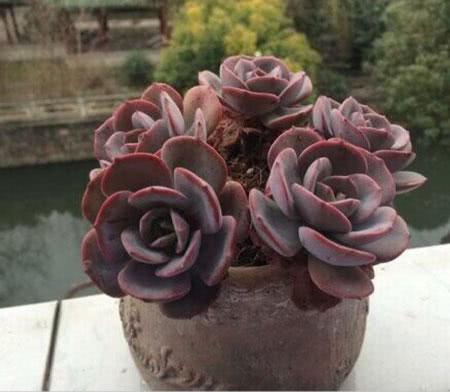
Care Methods and Precautions for the Succulent Pink Pavilion
Pink Pavilion is a common succulent plant. Its leaves are multi-lobed and mostly pink-purple in color, which is why it is called Pink Pavilion. The base of this plant looks like a lotus, appearing very neat and upright, making it very suitable for ornamental display at home. Succulent...
-

Cultivation Techniques for Silver Bud Willow: Propagation Methods and Pest and Disease Control
Propagation and Pest and Disease Control Cultivation Techniques for Silver Bud Willow. Silver bud willow (Salix leucopithecia), also known as silver willow, cotton willow, cat willow, silver bract willow, and pussy willow, is a deciduous shrub of the genus Salix in the family Salicaceae. Silver bud willow is native to northern China, and currently...
-

How to Grow Aloe nobilis? Care Methods and Precautions
Aloe nobilis belongs to the Liliaceae family, genus Aloe. It has a graceful, compact plant shape and pleasant emerald-green leaves, making it a fine specimen among ornamental aloes. It is suitable for small to medium potted cultivation, accenting windowsills, shelves, desks and other spots, fresh and elegant with a unique charm.
-
How to grow Haworthia fasciata? Care methods for Haworthia succulents
Haworthia fasciata, originally named "striped snake tail orchid," is a perennial succulent herbaceous plant of the Haworthia genus in the Liliaceae family, with excellent ornamental value. Its native habitat is in the tropical arid regions of southern Africa. It likes a sunny environment, and the suitable growing temperature should be moderate; it requires well-draining, nutrient-rich soil.
-
Haworthia cooperi var. truncata: Variety Characteristics and Care Methods of a Haworthia Succulent
Haworthia cooperi var. truncata originates in South Africa. Its cute shape and translucent appearance are very unique, and it is often used in mini arrangements. Below is some information about Haworthia cooperi var. truncata.
-
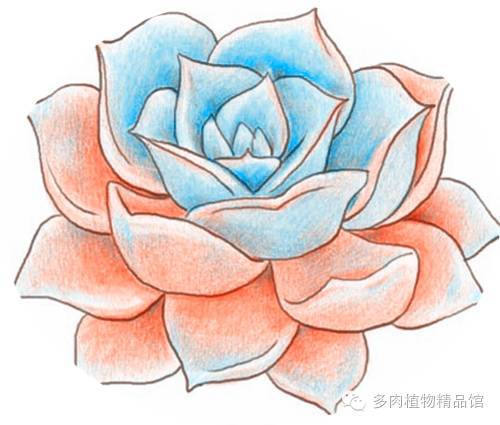
Basic Care Methods and Tips for Pseudolithos migiurtinus
Text and images: from the internet. The Pseudolithos migiurtinus plant has no leaves but has fleshy stems. When young, the fleshy stem is spherical, and later gradually becomes cylindrical, with a tender texture and a grayish-green epidermis, bearing dense triangular or hemispherical, conical tubercles, resembling the head of a Buddha...
-
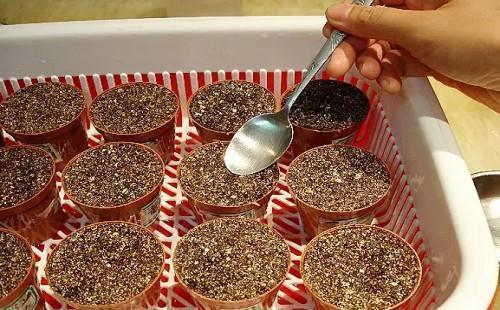
What soil is best for potted petunias? A detailed guide to soil mixing methods
Petunia is an annual or biennial herbaceous plant with fairly wide applications; whether grown as a potted plant or used in landscaping, it is a good choice. Moreover, petunia is not strict about soil requirements and is not as delicate as many other kinds of...
-

Having trouble sleeping? Try these effective methods to improve your sleep
Indoor potted plants are not only pleasing to the eye, but can also effectively purify indoor air. Of course, some flowers and plants have special functions that help with sleep. Placing two or three pots in the bedroom is good for improving our sleep quality. 1. Jasmine white...
-
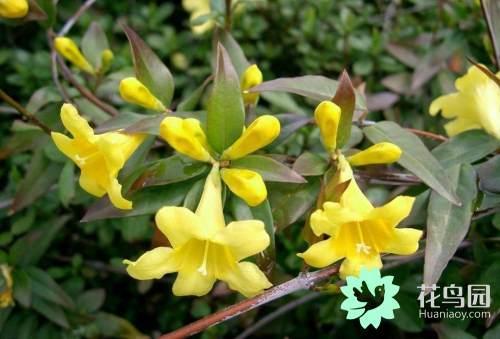
How to Grow French Perfume Flower? Detailed Guide to Cultivation Methods and Precautions
'French Perfume' is a woody climbing ornamental plant variety in the Loganiaceae family. It is much loved for its light and abundant small yellow flowers, which carry a jasmine-like fragrance. Besides being used for balcony viewing, 'French Perfume' can also be used in the Jiangnan region as...
-
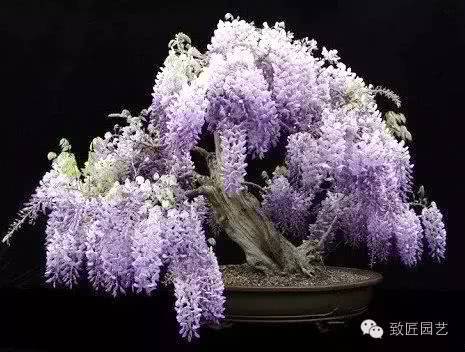
How to grow a wisteria bonsai? Teach you the correct care methods
Wisteria has a deep taproot and few lateral roots. It likes sunlight, tolerates slight shade, cold and drought, and has strong adaptability; it prefers deep, fertile, loose, well-drained soil. The old tree stumps used for making wisteria bonsai are mostly dug up from the mountains in spring, and according to the...
条件筛选