-

Where Is the Pitcher Plant Native To? Propagation Methods and the Digestion Principle Behind Its Insect-Eating
The main habitat of the pitcher plant is the tropical regions of Asia. Do you know about pitcher plants? Would you like to learn about them? Let's take a look together. How do pitcher plants propagate? Pitcher plants mainly propagate by "cuttings." Taking cuttings of pitcher plants is very easy, and
-
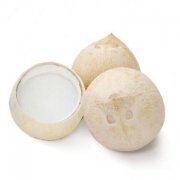
A Detailed Guide to the Growing Conditions and Opening Methods of Thai Fragrant Coconut
Coconut holds an indispensable place in the daily life of Thai people, from the edible coconut water, coconut milk, coconut jelly and coconut oil, to the fiber which can also be used as clothing material or other commonly used materials in daily life. The fragrant coconut, on the other hand, is a variety selected by farmers as suitable for eating, juicy, with a special aroma and relatively soft flesh. Fragrant coconuts can be harvested about 6 to 7 months after pollination.
-
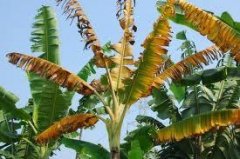
How to Treat Banana Yellow Leaf Disease? Transmission Routes and Causes Explained
Yellow leaf disease is the banana disease that banana farmers fear most. Once banana yellow leaf disease occurs, it often takes up to 15 years of fallowing to resolve. So how is banana yellow leaf disease transmitted, and what causes banana yellow leaf disease? Banana yellow leaf disease, also called Panama disease, is caused by Fusarium
-
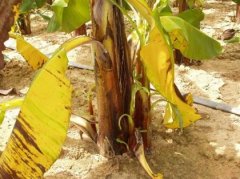
Treatment methods for banana yellow leaf disease and medication for sucker handling
Banana yellow leaf disease is very difficult to cure. To confront yellow leaf disease head-on, there are only two paths: prevention and control. In areas where it has not yet broken out, prevention of infection must be strong; in areas where it has already broken out, efforts should be made to reduce damage and prevent the epidemic from spreading. Banana farmers are encouraged to establish isolation zones on their farms,
-

When to Plant Taro? Growing Period Days and Planting Management Methods
How many days is the growing period of taro? The general growing period of taro is 210 to 240 days; for late-maturing varieties, the growing period is 270 to 300 days. From this, the growth cycle of taro is very long. Would you like to learn about taro's planting methods and management, and when to plant taro?
-
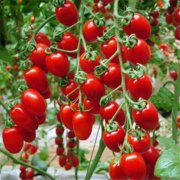
When to plant cherry tomatoes? Learn the correct planting time and methods
Cherry tomatoes are a variety of tomato with high nutritional value and excellent skin-brightening effects. They are generally a fruit that girls particularly love. So when do you start sowing and planting cherry tomatoes? Do you know the planting time and methods for cherry tomatoes? Want
-

Cherry Tomato Planting Time, Methods and Growing Environment: Which Variety Tastes Best?
Cherry tomato planting time and methods. Cherry tomatoes can be grown twice a year, so do you know which two periods they are planted in? Planting time for cherry tomatoes: The first crop of cherry tomatoes can be sown and raised as seedlings from mid-January to early February, and the second crop of cherry tomatoes is sown and raised as seedlings from late October
-
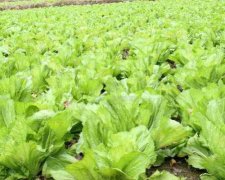
Mustard Greens Planting Time and Methods: The Best Sowing Period and Number of Growing Days
Mustard greens, also known as gai choy, are an annual herbaceous plant of the genus Brassica in the cruciferous family. Mustard greens are a cold-tolerant vegetable; they can withstand cold but not heat, and their optimal growing temperature is 16-23 degrees. Growth is poor in summer, and they are prone to pests and diseases, with more fiber and a strong spicy and bitter taste, resulting in poor quality. Mus
-
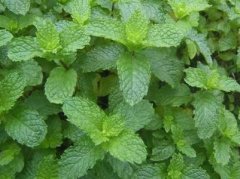
Does mint need watering every day? Hydroponic methods and how to tell true mint from false mint
You must know the mint plant, but have you ever grown mint? Do you know how mint should be watered? Can mint be grown hydroponically? Today there are many plants that look similar to mint, such as: curly-leaf spearmint, green mint, etc. So do you know how to tell them apart
-

Pumpkin Cultivation Techniques and Management Methods: How to Grow Pumpkins with More Fruit
Do you know how to grow pumpkins? Would you like to learn? Pumpkins are suited to growing in a cool climate of 15-25°C, and grow slowly below 8°C. At 0°C the plants are damaged by frost, and in hot, dry seasons they are prone to viral diseases. When planting, we should pay attention to this point
条件筛选