-

Practical Methods for Using Garlic to Treat Foot Rot in Cattle
First, pare away the rotten tissue from the affected hoof of the sick cow, wash the affected area with 3% hydrogen peroxide, then pack garlic powder mixed into a paste into the rotten area, 2 times a day; generally, it will heal completely in 5-7 days.
-
Prevention and Control Methods and Technical Key Points for Protozoan Diseases in Large Yellow Croaker
(1) Pathogen: Cryptocaryon irritans (Crypjocaryonirrions). (2) Symptoms: Small white spots appear on the body surface and gills of diseased fish. These small white spots are white vesicles formed by the parasitism of the parasite, irritation of the host, and the secretion of large amounts of mucus and proliferation of epidermal cells in the surrounding tissues. In severe cases, the body surface tissues are destroyed. If bacteria invade, it can cause skin inflammation, scale loss, fin membrane rot and splitting, corneal damage, and blindness. The diseased fish ultimately die due to loss of appetite,
-
Symptoms and Prevention and Control Methods of Duck Viral Swollen Head Hemorrhagic Disease
Duck viral swollen head hemorrhagic disease is an acute septic infectious disease of ducks caused by duck viral swollen head hemorrhagic disease virus. Its clinical features include swelling of the duck's head, conjunctival hyperemia and hemorrhage, extensive hemorrhage of the whole body skin, enlarged liver that is earth-yellow in color and accompanied by hemorrhagic spots, body temperature above 43°C, and passage of thin grass-green feces. The incidence rate is 50%-100%, and the mortality rate is 40%-80% or even 100%. It is a new infectious disease that seriously harms the duck farming industry. 1 Epidemiological diagnosis of duck viral swollen head hemorrhagic disease Cheng Anchun et al. (2003
-
What are the adjunctive treatment methods for pig high fever syndrome?
When pigs suffer from severe colds, pneumonia, influenza, heatstroke, and febrile diseases such as erysipelas and swine pasteurellosis, they often run a fever, sometimes with body temperature reaching above 42°C and remaining persistently high. In clinical practice, drawing on the methods used by human physicians to manage high-fever patients, adjunctive treatment such as pouring cold water over the head and applying cold compresses was used for pigs with high fever syndrome. After treating more than 10 cases, the results were good. The specific method is: first fill a kettle with well water or cold water, slowly pour it over the sick pig's head, and gently pat it. After pouring is complete, soak a towel or piece of cloth in well water or cold water, fold it 2-3
-
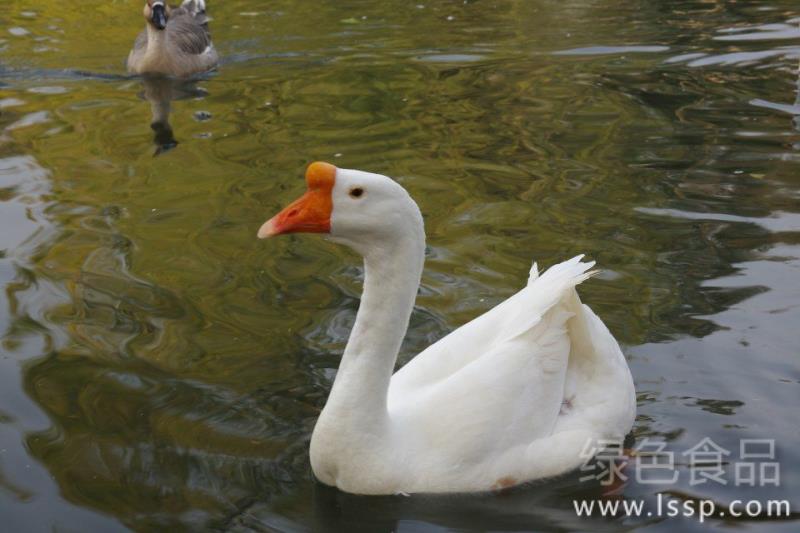
Symptoms and Prevention Methods of Heatstroke in Geese During Summer High Temperatures Due to Lack of Sweat Glands
Summer High Temperatures, Geese Lack Sweat Glands and Are Prone to Heatstroke: Symptoms and Prevention Methods of Heatstroke in Geese
-
How to prevent and control cotton seedling diseases? Detailed spring prevention and control methods
In recent years, due to low temperatures in spring, seedling diseases in direct-seeded cotton fields have occurred severely, causing large numbers of dead seedlings in cotton fields. In order to improve the economic benefits of cotton farmers and reduce the losses caused by diseases, the symptoms and prevention and control methods of several cotton seedling diseases are introduced as follows: 1. Symptoms of damaged cotton seedlings 1. Anthracnose: Both leaves and stems can be affected. After the seedlings are damaged, reddish-brown spindle-shaped streaks appear at the base of the stem, with longitudinal cracking. In severe cases, the lesions expand, turn brown, blacken, and rot, leading to seedling death. When the weather is humid, the lesions produce orange-red sticky substances.
-
Detailed Guide to Impatiens Growing Methods and Care Techniques
Impatiens, also known as henna, is an annual flower native to southern China and the tropical plains of Asia. It has many varieties and rich flower colors, including red, pink, purple, yellow and white, as well as bicolor forms, and is very showy. It is generally divided into two major groups, single-petaled and double-petaled. Single-petaled plants are conical, tall and sturdy, and can reach up to 80 cm. The flowering order rises section by section from the lower part upward, and the flowering period can last up to 1 month. Double-petaled varieties are shorter, generally less than 40 cm, with a flat-topped form; at flowering, the area near the terminal bud is all flower buds, and the flowers open neatly all at once from the top to the lower part,
-
What are the methods for utilizing dog by-products?
1. Dog skin: After processing, dog skin has good cold-resistant and moisture-proof properties and a beautiful coat color. It can be made into vests, mattresses, etc., and is very effective for the waist aches and cold legs of elderly people and rheumatism patients. 2. Penis: The dried penis and testes of male dogs are pale yellow with red tendons. Those that are long, large, thick, and include the testes are considered best. They contain male hormones, protein, fat, etc. Their nature is very hot, and they can warm the kidneys, strengthen yang, and enrich essence. They can treat impotence, premature ejaculation, and other forms of reduced male function. Use 10g each time, decocted for oral administration. 3. Dog bezoar
-
Symptoms and Control Methods of Bacterial Shot Hole Disease in Peach
[Distribution] It occurs throughout the country, especially in coastal areas, lakeside areas, orchards with poor drainage, and rainy years, often causing severe outbreaks. If control is not timely, it can easily cause massive leaf drop, reduce nutrient accumulation, and affect flower bud formation. It not only weakens tree vigor and reduces the yield of the current year, but also affects fruiting in the following year, resulting in poor harvests. [Symptoms] Water-soaked, pale yellow small spots appear on the leaves, then expand into red round spots, and subsequently turn brown, with the edge darker than the center. Around the edge there is a semi-transparent pale yellow halo. The edge is prone to forming an abscission layer, creating round shot-hole spots. When several lesions join together, the shot-hole shape becomes irregular; in severe cases, a single leaf may have dozens of lesions, and diseased leaves fall early.
-
Prevention Methods for Pig Urate Deposition Disease in Cold Weather
Pig urate deposition disease is a metabolic disease caused by pigs eating protein-rich concentrated feed, and it mostly occurs in winter and early spring. Clinical symptoms mostly occur in nursing piglets and growing pigs that are physically strong, well developed, and have a vigorous appetite. The most acute form often shows no symptoms at all before sudden death. Most cases take an acute course, with sudden onset, reduced or lost appetite, and body temperature initially rising by about 0.5 degrees Celsius, then quickly returning to normal or falling below normal. Most affected pigs are lame in the hind legs, while some are lame in the front legs, gradually progressing to swollen joints
条件筛选