Many causes of miscarriage in dairy cows, careful prevention is key
There are many causes of miscarriage in dairy cows, including genetics, climate and environment, endocrine factors, disease, and feeding management, but the main cause is improper feeding management. For example, feeding dairy cows spoiled and deteriorated feed, sudden temperature changes (such as drastic climate shifts, cold stimulation, etc.), mechanical pressure, and stress stimuli such as cows being knocked down or injured can also cause miscarriage. Immunization injections, magnet administration, extensive trimming of cow hooves, incomplete disinfection during artificial insemination, or inadequate technique (such as rough pregnancy checks, mistakenly mating a pregnant cow, etc.) can all trigger miscarriage. The following measures can be taken to prevent miscarriage in dairy cows.
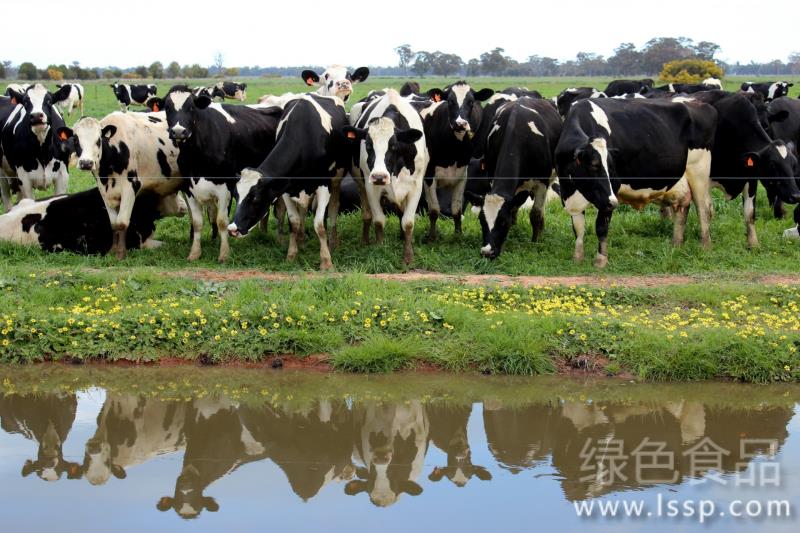
Dairy cow
I. Introduction quarantine.Effectively prevent and control tuberculosis, salmonellosis, and brucellosis that can cause miscarriage. Introduce dairy cows from disease-free areas rather than epidemic areas, and first conduct quarantine and rearing under isolation conditions. Only after confirming they are disease-free can they be mixed into the dairy herd.
II. Strengthen management.Strengthen environmental cleaning and disinfection work. Normally also pay attention to the hygiene of dairy cows, especially the abdominal hygiene of pregnant dairy cows, and brush them carefully to prevent vaginitis and metritis; carry out regular quarantine, preventive vaccination, deworming, and disinfection; and control the environmental temperature of the dairy barn as much as possible, with heat prevention and cooling in summer and cold prevention and warmth in winter.
III. Reasonable exercise.An exercise area should be set up in front of or behind the barn, with an area designed at 6-8 sq m per dairy cow, to ensure that pregnant dairy cows have sufficient sunlight and exercise, but the amount of exercise for dairy cows in late pregnancy should not be too large. The barn should have anti-slip flooring to prevent pregnant cows from being squeezed or bumped. Pregnant cows must not be whipped, to prevent them from being frightened.
IV. Feeding and drinking water.The feed for pregnant dairy cows should be rich in vitamin A, vitamin B2, minerals, trace elements, etc., nutritious and complete, to prevent miscarriage caused by insufficient or unbalanced nutrition. Feed types, feed formulas, and feeding management methods must not be changed drastically. Frosted grass, moldy grass, frozen, spoiled and deteriorated, and toxin-containing feeds such as potatoes and cottonseed cake are prohibited from being fed. Sufficient clean drinking water should be provided, and pregnant dairy cows should not be given cold water when sweating or on an empty stomach.