-

How many levels of protection does the black-faced spoonbill have? An analysis of its habitat in Zhuanghe and its migration route
Do you know the black-faced spoonbill? Its numbers are extremely small. How many levels of protection does the black-faced spoonbill have? It is a Class II protected wild animal. So we must take good care of it. Xingrentuo on Shicheng Island and Yuanbaotuo in Wangjia Town of Zhuanghe City are the black-faced spoonbill's only breeding site in China
-
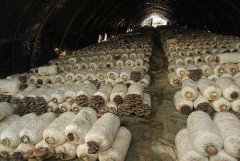
Using coffee grounds to grow mushrooms has many clever uses; how much is a ton of spent mushroom substrate?
What are some of the clever uses of coffee grounds? Coffee grounds are usually treated as waste, but they actually have many clever uses, such as being used to remove odors, and they can also be used as soil for growing mushrooms. Coffee grounds contain a large amount of antioxidants and are very suitable as a nutrient source in soil.
-
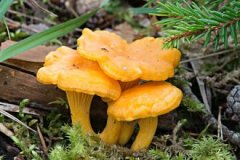
Are chanterelles poisonous? Toxicity level and price per jin explained
What kind of mushroom is the chanterelle? Some people say it is poisonous, so is it actually poisonous or not? It does have a certain level of toxicity, but at the same time it is also an edible mushroom, and people with itchy skin should avoid it. In the wild mushroom trading market, chanterelles currently cost 100 yuan per kilogram
-
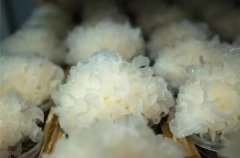
Tremella (white fungus) cultivation and growing techniques: how long can a mushroom bag be used, and how many times can it be harvested repeatedly?
There are three cultivation methods for Tremella: log cultivation, bag cultivation, and bottle cultivation. Today I will introduce the bag cultivation method. How long can a Tremella mushroom bag be used at one time? Bag-cultivated Tremella can generally be harvested 2 times. So can the Tremella mushroom bag be reused? Actually it cannot.
-

What to do when mushrooms grow from the sides of the bag and many are deformed
During sterilization, the bags press against one another, the round bags become deformed, and gaps form between the substrate and the bag, providing air and space for the mycelium to knot together. Add low temperature, light stimulation and mechanical stimulation (such as turning the bags over), and the mycelium on the sides of the bag knots to form primordia, which develop into fruiting bodies. Because of the restriction of the plastic bag, these mushrooms are all deformed. When this happens, pinch and press the mushroom buds promptly to stop their growth, so as to avoid wasting more nutrients. The fruiting bodies are small and the marketable rate is low:
-
Many Methods for Keeping Edible Mushrooms Fresh: A Few Practical Tips for You
Edible mushrooms generally have a high moisture content, are rich in nutrients, have a tender texture, and undergo intense physiological and biochemical activity, so if they are not sold and processed promptly after harvest, their commercial quality will be seriously affected, causing considerable economic loss. To prevent losses when harvested edible mushrooms cannot be sold or processed in time, mushroom growers must master edible mushroom preservation techniques. Preserving edible mushrooms keeps the flavor of the fresh product basically unchanged, preserves its nutritional value to the greatest extent possible, and offers advantages such as easier storage, processing and transport.
-
Many Methods for Preserving Edible Mushrooms: Master the Techniques to Extend Storage Life
Salt preservation: Freshly harvested oyster mushrooms, Phoenix-tail mushrooms and the like, after being cleaned up, are soaked in 0.6% salt water for about 10 minutes, then taken out, drained and stored in plastic bags, keeping fresh for 5-8 days. Rice-water film preservation: Add 1% soda ash or 5% baking soda to rice water, stir well, and cool to room temperature. Soak freshly picked mushrooms in the rice water, take them out after 5 minutes, and dry them in a cool, dry place; by then a thin film of rice water will form on the surface of the mushrooms, which can isolate air, and the mushrooms can generally keep fresh for 2-3 days. Ascorbic acid solution preservation
条件筛选