-

How to prevent garlic bulbs from splitting apart? Do these management measures well
In the late stage of bulb enlargement, if there is too much rain and the soil humidity is too high, it will affect the formation of the garlic skin. If the harvest is too late, even if the garlic skin has formed, it will rot due to soaking, the garlic skin will loosen, the base of the leaf sheath will rot, and the garlic cloves and the shortened stem will separate and fall off due to rot, causing the bulbs to split apart. Garlic can also split apart during storage due to excessive humidity. The main measures to prevent splitting apart are introduced as follows. 1. Reduce soil humidity. In the late stage of bulb enlargement, drainage work should be done well. Drain promptly after rainfall, and do not water heavily unless there is drought, to avoid
-
Detailed Explanation of Key Points of Comprehensive Garlic Management Technology
In garlic production management, early-stage management is relatively simple, as the plants rely on the nutrients stored in the seed garlic for growth. When they grow to 5-7 leaves before winter, they only need to survive the winter safely. After spring begins, as temperatures rise, garlic roots undergo their second major root flush. After the mother bulb recedes, the plants immediately enter vigorous growth, and it is during this period that garlic yield is formed; at the same time, this period is also a time of high incidence of pests and diseases. Therefore, spring management of garlic should be strengthened to lay a good foundation for a high garlic yield. 1. Management during the greening stage After "Jingzhe," as
-
Garlic current management details reminder: don't overlook these key points
According to relevant information, during this current period the growth of all parts of the garlic plant is at its greatest, so this period is also the critical period for water and fertilizer needs of the garlic plant. This is especially true for nitrogen and potassium fertilizers; at this time, a deficiency of nitrogen or potassium will cause extremely large losses in yield. Another report indicates that the maximum leaf width and pseudostem diameter (leaf sheath) of garlic show a significant positive correlation with the weight of garlic scapes and garlic bulbs. To obtain high yields of garlic bulbs and garlic scapes, plants with thick, sturdy leaf sheaths and wide leaves must be cultivated, so ensuring that the garlic is not harmed by diseases and pests is also a guarantee
-
What are the key management points for garlic under plastic mulch during the green-up stage?
1. Clean the plastic mulch surface to increase its light transmittance. The key to garlic green-up is temperature, and management during this period focuses mainly on raising soil temperature. For garlic covered with plastic mulch, coverings on the film such as leaves, completely dead garlic leaves and dust should be removed as early as possible to clean the film surface, so as to increase light transmittance and raise soil temperature. Damaged plastic mulch should be repaired promptly to increase heat preservation and warming effects and promote early green-up of garlic. 2. Open and clear ditches. Garlic roots are not tolerant of wet conditions; waterlogging in the field during spring rain can easily cause root rot, and drought can also affect normal garlic growth.
-
Key Points for Rice Cultivation Management During Spring Cold Waves
I. Characteristics of Cold Wave Disasters Due to the invasion of cold air, when the temperature drops sharply by more than 10°C within 24 hours, and the minimum temperature within that day is below 5°C, it is called a cold wave. In the middle and lower reaches of the Yangtze River, when strong cold air moves southward and causes the temperature to drop by more than 10°C within 48 hours, it is also called a cold wave. Cold waves generally occur in spring and autumn, with spring being the most common, and spring cold waves mostly occur from March to May. Cold waves mainly cause seed rot, seedling rot and dead seedlings during the rice seedling stage. II. Rice Cultivation Manage
-
Current Technical Guidance on Rice Seedbed Management
Currently, some early-sowing areas are affected by sharp temperature changes caused by cold waves, and rice seedlings have suffered frost damage to varying degrees, which has affected seedbed management and will delay the transplanting process to a certain extent. In order to improve seedbed management and reduce low-temperature damage, the following technical guidance on seedbed management is hereby proposed. 1. Small-tunnel seedling cultivation. According to the weather forecast, add more covering material on the tunnel and keep it sealed for insulation. In case of frost, candles can be lit or smoke can be generated inside the tunnel to raise the temperature and prevent freezing. For medium and large tunnel seedling cultivation, ventilation should be reduced or even stopped. Straw curtains should be placed around the tunnel, plastic film should be laid flat inside the tunnel,
-
Management Methods and Technical Key Points for Introduced Snakehead Fry and Fingerlings
There are 3 sources of snakehead fry and fingerlings: first, artificial breeding; second, purchasing from other places or other units; third, catching wild fry and fingerlings in places with lush aquatic plants in reservoirs, lakes, and ditches. How to manage the latter two types of fry and fingerlings is described below: 1. Fry and fingerlings purchased from other places or other units. When purchasing fry and fingerlings, carefully select fish that are robust and of good quality. The specific standards are: from the external appearance of the fish, the scales and fin rays are required to be intact, the color bright and glossy, the body shape normal, and there is no external injury or disease. From the physique, a high degree of plumpness is required,
-
Feeding and Management Key Points for Large Yorkshire Sows During Their High-Production Period
1. The age structure of the sow herd must be reasonable. According to a survey of 150 litters from parities 1-10 at a certain pig breeding farm in Jining, sow production performance varies with age (parity). The Large Yorkshire sow is a fine breed with relatively stable genetic traits, a long high-production period, strong reproductive capacity, and sustained high and stable production over many years. According to a survey of 150 litters from parities 1-10 at a certain pig breeding farm in Jining, adult sows (parities 4-7) averaged 12.4 live piglets born per litter, which is 1.6 more per litter than young sows (parities 1-3)
-
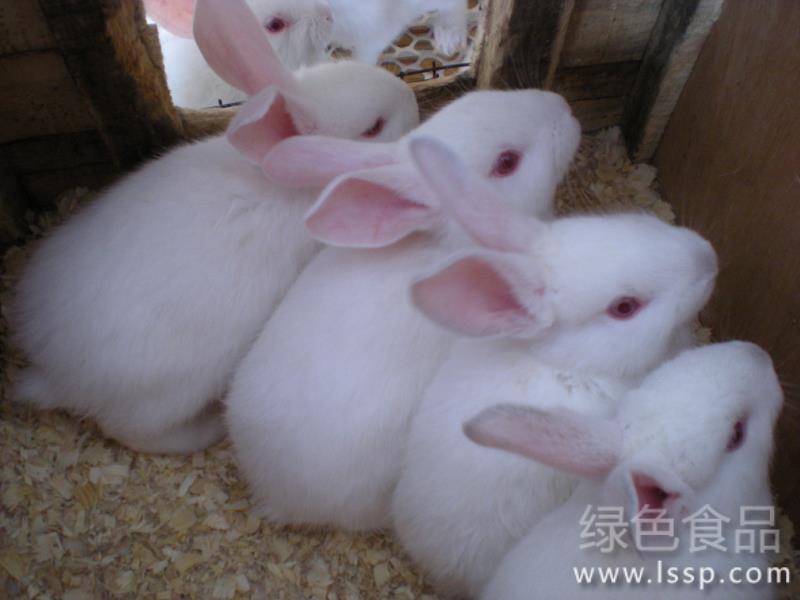
Angora rabbits cannot tolerate high summer temperatures; how can summer management be done well?
Summer heat is unsuitable for Angora rabbits; how can summer management of Angora rabbits be done well
-

Planting Techniques and Field Management Key Points for Pepperweed Seed (Tinglizi)
Planting Techniques for Pepperweed Seed
条件筛选