-
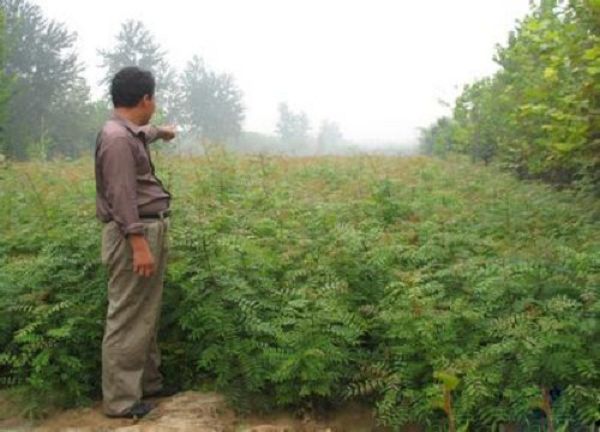
A Detailed Guide to the Maintenance and Management Methods of Chinese Pistache Bonsai
Maintenance and Management of Chinese Pistache Bonsai
-
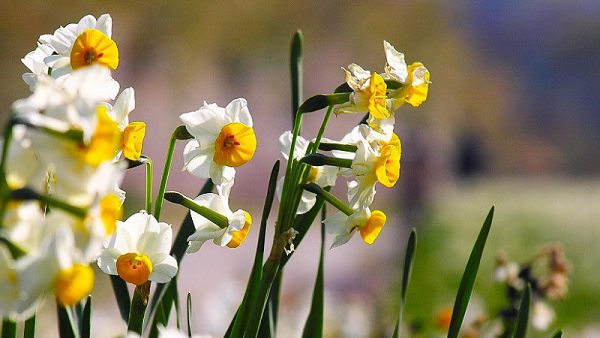
What to Do When Daffodil Flowers Fade? Post-Bloom Care and Maintenance Methods
What to Do When Daffodil Flowers Fade
-

Geranium Winter Care Methods and Maintenance Tips
Geraniums like warmth and fear cold, so in winter special attention should be paid to cold and frost protection. When growing geraniums in northern regions, the potted plants should be moved indoors when Frost's Descent arrives, placed by a sunny window so they receive sufficient light. If light is insufficient, the plants are prone to leggy growth, which affects flower bud formation, and even flower buds that have already formed may wither due to lack of light. If in the south, the potted plants should also be moved to a wind-sheltered, warm, sunny spot after the Start of Winter, which makes it easier for the potted flowers to get more sun and also helps them avoid wind and cold. Indoor temperatures should be maintained at 15°C to 20
-
Jasmine: Home Care Methods and Maintenance Tips
Jasmine is a perennial flowering plant in the Oleaceae family, with strong adaptability, easy management, and a long blooming period, making it especially suitable for home cultivation. There are two common types: single-petaled and double-petaled flowers. Although single-petaled flowers are not as attractive as double-petaled ones, they have a strong fragrance and their cuttings root easily. It can bloom from June to November, and in northern regions it must overwinter indoors. Jasmine is a natural indoor air freshener; the essence extracted from its flowers is an important source for cosmetics, and it is an essential ingredient for scenting jasmine tea and scented tea. Its leaves can also be used as medicine, having the effects of clearing heat and relieving external symptoms, and promoting diuresis; the roots are toxic. Its place of origin is
-
How to carry out maintenance and management of large spruce saplings after transplanting
Large spruce saplings over 40 years old have weak regeneration capacity after transplanting. To ensure their survival, maintenance and management of transplanted large spruce saplings is especially important. As the taste of urban construction keeps improving, the scale and grade of urban greening and beautification also rise accordingly, requiring the greening and beautification effect to be shown within a relatively short time, so a considerable number of tall trees need to be transplanted. Hebei Saihanba Mechanical Forest Farm, as the largest larch timber forest base in North China, also shoulders the mission of windbreak, sand fixation and water conservation, and for many years has provided
-
A Detailed Guide to Post-Bloom Care Methods and Key Maintenance Points for Phalaenopsis Orchids
Post-bloom care for Phalaenopsis orchids is extremely important, as it has a direct impact on surviving the summer safely and blooming the following year. After years of practice, the author has summarized a set of post-bloom care methods, presented below: 1. Removing the flower spike: After all the flowers of the Phalaenopsis have faded, the flower spike should be promptly cut off from the base to reduce nutrient consumption. Some people keep the flower spike to let it bloom a second time; this method is highly inadvisable. This is because the probability of a second bloom is not high, and even if it does bloom, the quality is poor, with small flowers and few in number, and Phalaenopsis that bloom a second time have poor flowering quality the following year
-
Spider Plant Care Methods and Daily Maintenance Tips
Spider plant is a perennial evergreen herbaceous flowering plant with a rosette root system. It has diverse forms and is also highly shade-tolerant and easy to manage. It is often used as a hanging potted plant for indoor decoration or garden landscaping. Its management should master the following points: 1. Temperature regulation. Spider plant prefers a warm and humid climate and is not cold-tolerant. It grows fastest at 20-24°C, stops growing above 30°C, and its leaves tend to turn yellow and dry at the tips. Therefore, in summer, take measures to prevent heat and lower the temperature, and pay attention to ventilation. In winter, it should be cultivated in a greenhouse or indoor shelter, with an overwintering temperature of 10°C being suitable, and not lower than 5°C. 2. Light
-

-

Detailed Explanation of Dragon Juniper Cultivation Techniques and Maintenance Management Points
Cultivation Techniques of Dragon Juniper
-

Detailed Explanation of Magnolia Tree Planting Techniques and Key Maintenance Points
Magnolia Tree Planting Techniques
条件筛选