-

How to Cultivate the Late Autumn Shoots of Lychee? Detailed Management Measures
Fertigation technology combines fertilization with irrigation, applying fertilizer through drip irrigation equipment. Applying automated drip fertigation technology to the lychee cultivars Heiye, Feizixiao, Nuomici, Guiwei and Huaizhi can significantly increase lychee yield, raise the proportion of large fruits, and ensure high and stable yields; it significantly saves labor, fertilizer and...
-
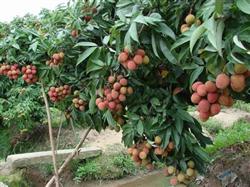
Key Technical Points for High-Quality, High-Yield Lychee Cultivation and Management
Site selection and planting: For high-yield lychee cultivation, hills or slopes with open terrain, loose and fertile soil, deep soil layers, and a water source should be selected, as they are ideal for developing a planting orchard. Lychee mycorrhizae are aerobic, so loosening the soil, improving the soil, and ensuring loose, well-aerated conditions are necessary to promote root development. Soil fertilization should follow the principle of frequent light applications. Spray timely with...
-
Cultivation and Management Techniques for Young and Fruiting Lychee Trees
Lychee belongs to the Sapindaceae family and originated in our country. It is one of the four famous fruits of southern China, with a cultivation history of over 2,000 years. The following growth characteristics of young lychee trees have been summarized from lychee cultivation experience: (1) low branching order of shoots; (2) large shoot growth volume; (3) vigorous root growth; (4) early flowering period...
-
Detailed Explanation of Key Points for Scientific Management of Lychee in May
Rainy weather in May will bring difficulties to lychee management. Therefore, for early and mid-season varieties, the following management suggestions are proposed for the reference of fruit growers. Early-maturing varieties, such as Sanyuehong, are now entering the coloring stage. The focus is on controlling the lychee fruit borer and lychee downy blight. Low-toxicity and high-efficiency pesticides should be used to help...
-
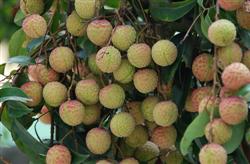
How to Cultivate Robust Autumn Shoots on Mid-season Lychee Trees
1. For bearing trees in late May, apply 0.5 kg of compound fertilizer (nitrogen, phosphorus, potassium 15:15:15) per tree in a shallow ring trench or shallow strip trenches on opposite sides at the drip line of the canopy, then cover with soil to help stabilize fruit and strengthen shoots. 2. Sugar apple (Annona squamosa) roots are shallow-growing, and new roots are fleshy and slow to become suberized; the tree is intolerant of drought yet afraid of waterlogging. Because...
-
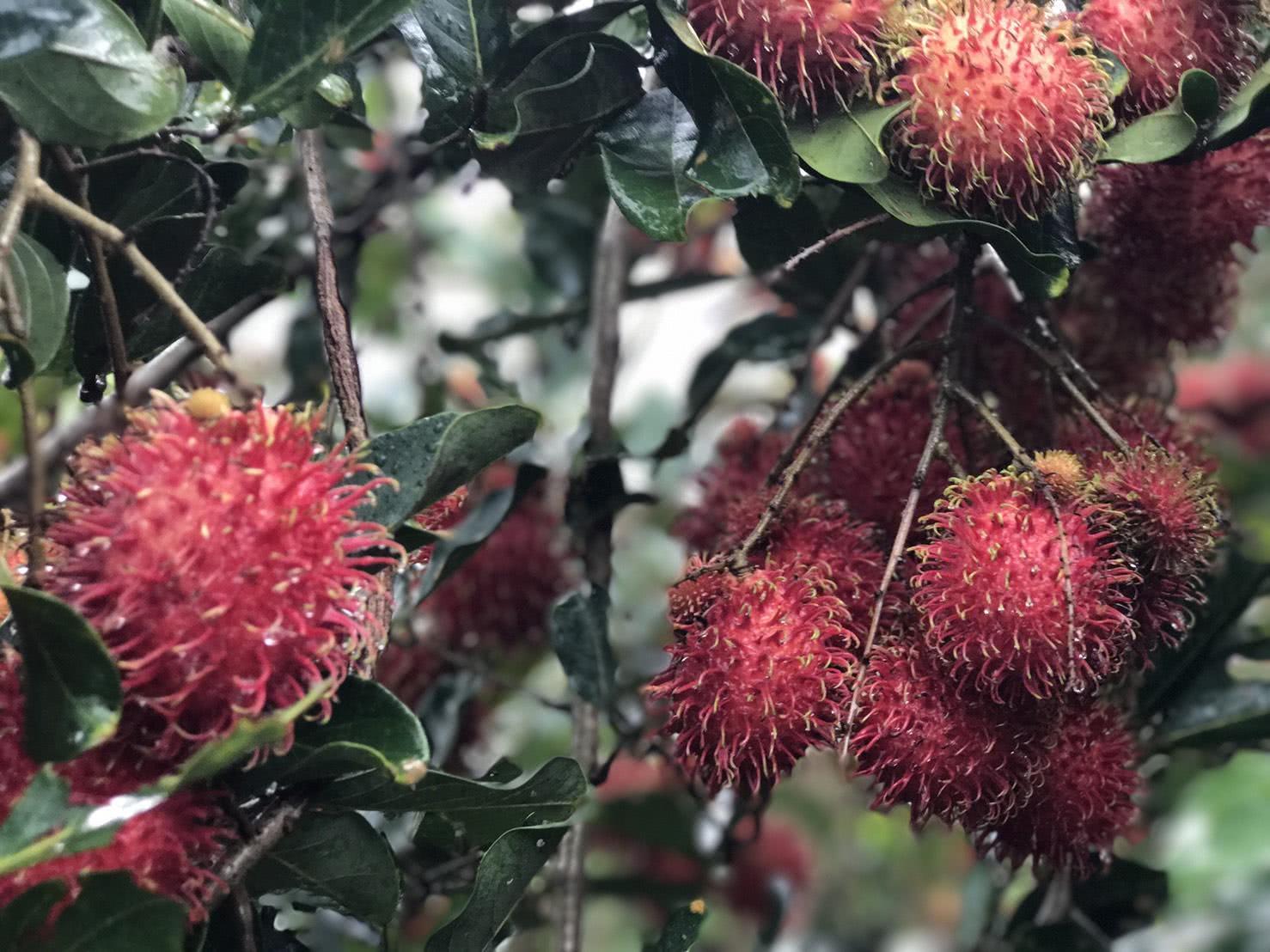
This fruit is commonly known as the "fake lychee". Its taste is not as good as that of the lychee, yet it sells for 50 yuan per jin, and few people have ever tasted it.
I believe that those of you who grew up in the countryside have seen all kinds of plants and fruits, because the unique geographical environment of rural areas allows some fruits that are rarely seen in cities to survive and even flourish. Today, the editor will...
-
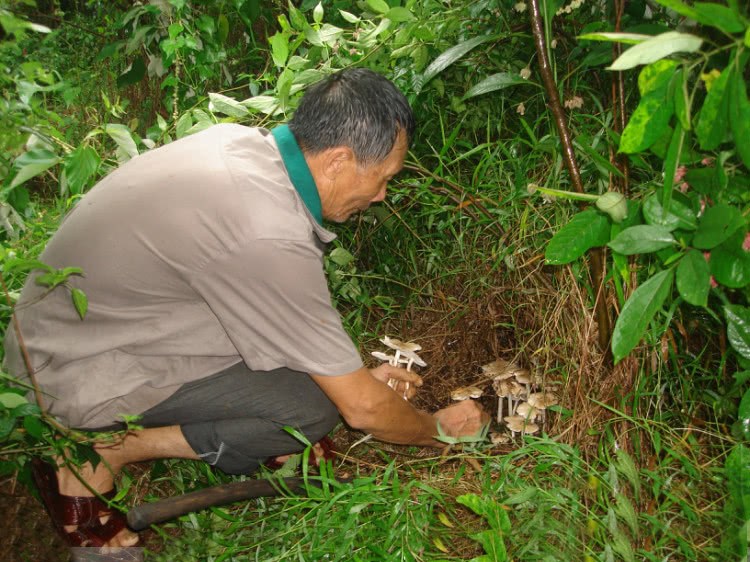
The king of mushrooms that only grows under lychee trees, you have to pick it with a flashlight, and its shelf life is no more than one day
When it comes to fungi, they are an enormous family, with a history on Earth of several hundred million years. Almost anywhere that is damp, dark and decaying, they can be found. Fungi are rich in nutrients and are eaten as a common vegetable. Although common, ...
-
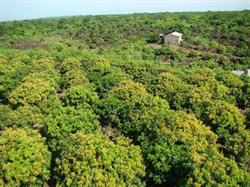
Key Points of Lychee Cultivation Techniques and Planting Management Methods
Cultivation Techniques 1. Shaping and pruning of young lychee trees. Young trees are mostly shaped into a round-headed form with main branches, completed within 2-3 days after planting. Methods such as pulling, propping, pushing and hanging are used to adjust the growth angle and orientation of branches. Pruning and shaping of young trees are carried out simultaneously; before new shoots sprout, methods such as pinching, heading back, thinning and bud removal are used to suppress shoot growth and promote branching. Pruning should be light rather than heavy, mainly removing crossing branches, overly dense branches, curved branches, weak and small branches, as well as flower spikes that are not allowed to bear fruit, so that nutrients are effectively used to expand the canopy.
-
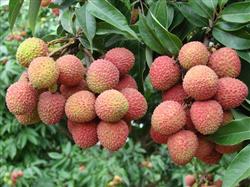
Detailed Explanation of Key Points for High-Yield and High-Quality Lychee Cultivation Techniques
1. Choose a good orchard site. It is best to select open terrain with a slope below 30 degrees, loose and fertile soil, deep soil layers, organic matter content above 1%, and a water source on hilly slopes as a lychee planting orchard. 2. Choose good seedlings and apply sufficient base fertilizer. Select healthy branch seedlings or grafted seedlings with many new roots, smooth branches, and no pests or diseases...
-
What conditions are needed for lychee flower bud differentiation?
The fruiting mother branches of lychee are robust, the maturation period is suitable, and the tree vigor is moderate, making it easy to control winter shoots, accumulate nutrients, and favor flower bud differentiation. The more organic nutrients accumulated, the better the flower bud differentiation. If the tree vigor is excessively strong and vegetative growth is vigorous, it is unfavorable for flower bud differentiation, and flower-bearing leaves are easily produced, causing reduced yield or crop failure; or...
条件筛选