-

A detailed guide to growing Chinese roses (Rosa chinensis), easily adding colorful beauty to life
Chinese roses are splendid and beautiful, with diverse forms and colors, blooming in all four seasons, and are deeply loved by people. They are called the queen of flowers, and many people want to grow Chinese roses themselves. So when growing Chinese roses, what exactly should you do? Are there any methods and precautions?
-

How do rejected fruit and vegetables get a new lease of life? A visit to the UK
A visit to the UK - giving rejected fruit and vegetables a "rebirth"
-
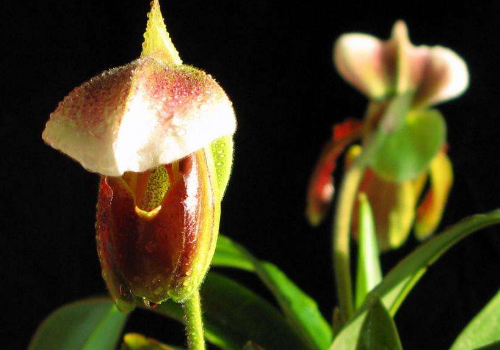
How to care for Paphiopedilum (slipper orchid) during its flowering period, and does it bloom only once in its lifetime?
Paphiopedilum, also known as the slipper orchid, is a type of plant that many people love, and it is not just ordinarily beautiful, so what is the method for caring for Paphiopedilum during its flowering period? Does it bloom only once in its lifetime: Paphiopedilum flowering period care methods: temperature control and shading. Paphiopedilum is native to low-latitude, high-altitude regions
-
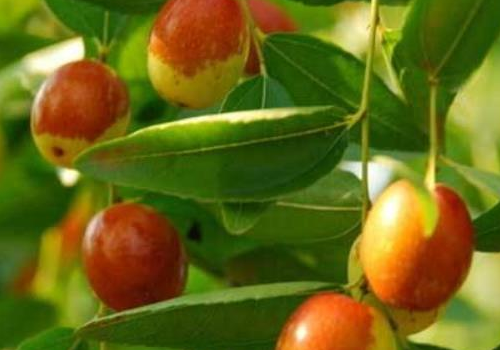
How many years until a jujube tree bears fruit, and how long is its lifespan generally
The jujube tree is something many people know about; it can generally be seen along roadsides, so how many years until a jujube tree bears fruit? And how long is its lifespan: How many years until a jujube tree bears fruit: After a jujube sapling is planted, it generally bears fruit in the second year. As the saying goes, peaches take three years, plums four, pears five, walnuts and persimmons six or seven, and mulberry trees can feed silkworms in seven years
-

How long is the lifespan of Asarum seeds, and how many years can they be stored?
The lifespan of Asarum seeds is very short. Naturally matured seeds have a very high germination rate, reaching 99%. However, when stored under dry conditions at room temperature for 20 days, the germination rate drops to 81%; at 40 days it drops to 29%; and at 60 days it is only 2%. This shows that when Asarum seeds are stored dry indoors after harvest, the germination rate gradually decreases as the storage period lengthens, and the dry storage period is only 60 days. Because Asarum seeds cannot be stored dry indoors, they should be sown immediately after harvest or treated by sand stratification.
-
Cyanobacteria in mussel ponds tend to overproliferate in midsummer; pay attention to prevention and control
Summer has high water temperatures and strong light, making it a season of high cyanobacteria incidence. Once cyanobacteria proliferate heavily on the water surface, the water quality becomes lean; after pearl mussels ingest cyanobacteria, it is not easy for them to digest (cyanobacteria have thick cell walls), and cyanobacteria adhere to the mussels' gills, affecting respiration. At the same time, after cyanobacteria die, protein decomposition produces hydroxylamine, which combines with toxic substances such as hydrogen sulfide in the water and can poison the pearl-culturing mussels to death. Therefore, in summer, the excessive proliferation of cyanobacteria must be strictly controlled, with targeted prevention and treatment. 1. Summer temperatures are high, and at the bottom
-
External-use medication for fish and shrimp, a lifesaver for treating diseases in aquaculture
Properties: This product consists of two compound preparations, Type A and Type B. Type A is a yellow-brown powder, and Type B is a slightly red transparent liquid. Action and uses: External-use medication, mainly for the prevention and treatment of bacterial and viral diseases in fish and shrimp, and for oxygen deficiency causing fish to gasp at the surface. Usage and dosage: (1) Whole-pond splashing: the concentration for preventing and treating bacterial and viral diseases in fish and shrimp is (1.5-3.0) ppm. (2) The concentration for rescuing fish and shrimp gasping at the surface is (2.0-3.0) ppm.
-
A Detailed Explanation of 6 Common Life Habits of Dogs
Dogs Judge People by Appearance Dogs were originally social animals that respected their leaders and worked hard to protect their companions. After entering human life, they obey the head of the household: the female owner feeds and cares for them, and children play with them; the male owner, who spends the least time at home, instead inspires their awe. Conversely, if the female owner is more authoritative and leads the whole family, the dog will also obey her completely. It fears, even dreads, those taller than itself, while toward dogs of the same height or smaller, it instead feels curiosity and develops a strong desire to protect them. Therefore
-
Detailed Guide to Peach Storage and Preservation Techniques, Extending Peach Storage Life
Some peach varieties ripen during the high-temperature summer season, and their harvest maturity and eating maturity are reached almost simultaneously; in addition, the fruit is soft and juicy with poor storability. However, storability varies greatly among varieties: honey peaches have the worst storability and can only be stored for about 1 week, while late-maturing varieties such as Fei peach, winter peach, and Qingzhou honey peach are relatively more storable. The main problems that easily occur during peach storage include: over-ripening and softening, rot caused by pathogenic bacteria, and chilling injury. The main technical measures adopted in production include: (1) Immediately pre-cool the fruit after harvest: immerse the fruit in 0
-
What are the symptoms of porcine proliferative enteropathy? Detailed explanation of prevention and treatment methods
Porcine proliferative enteropathy, also known as proliferative enteritis, is a common intestinal infectious disease in growing and finishing pigs. Other names include necrotic enteritis, proliferative hemorrhagic enteropathy, porcine ileitis, terminal ileitis, and porcine intestinal adenomatosis. The clinical manifestations of the disease are mainly intermittent diarrhea, decreased appetite, and stunted growth. Growing pigs and replacement gilts sometimes have bloody diarrhea and sudden death. The characteristic finding on necropsy is thickening of the mucosa of the small intestine and ileum. The histopathological change is characterized by adenomatoid proliferation of immature intestinal cells within the crypts of the ileum and colon. The disease is endemic in various parts of the world.
条件筛选