-

Key Technical Points and Detailed Process for Processing Seedless Candied Jujubes
(1) Ingredients: 50 kg dried red jujubes, 30 kg soft white sugar, 100 g citric acid. (2) Operating points: 1. Select milky-white stage jujubes that are large, have small pits, thick flesh, and thin skin, and sort them into 3 grades - large, medium, and small - for processing separately. 2. Sharpen one end of a 6-8 mm diameter iron tube, pierce it in from one end of the jujube, and when pulling it out, bring the jujube pit out with it. With continuous operation, the pits are then constantly pushed out from the other end of the iron tube. 3. Soak the pitted jujubes in clean water for 12 hours, until all the wrinkles have expanded. 4. Put 25 kg water into a pot
-
Key points of fresh tea preservation and storage technology: tea leaves are less likely to deteriorate even after long storage
● Vacuum extraction and nitrogen filling preservation. Vacuum extraction and nitrogen filling preservation uses nitrogen to replace the air inside the packaging bag, preventing tea oxidation and thereby achieving the goal of preventing tea aging and deterioration. When green tea is packaged with nitrogen in aluminum foil bags, after 6 months of storage, the vitamin C content can remain above 96%. During the nitrogen filling process, special attention must be paid to the firmness of the packaging bag seal, and insufficient nitrogen filling or gas leakage must be prevented. Before nitrogen filling packaging, first extract the air from the bag to create a vacuum state, then fill it with nitrogen and
-
Golden Blessing Mushroom has good market prospects and great development potential
On the morning of July 31, the Hangzhou Academy of Agricultural Sciences, the Municipal Agriculture Bureau and the Hangtou Town Government held an on-site exchange meeting on new varieties and new technologies of rare edible fungi at the Huangmugang vegetable base in Hangtou Town. Leaders and experts from the Hangzhou Academy of Agricultural Sciences, the Agriculture Bureau, the Science and Technology Bureau and the Association for Science and Technology, as well as agricultural science and technology personnel from the counties, cities and districts of the Hangzhou area, inspected the experimental greenhouse for the rare edible fungus Golden Blessing Mushroom at the vegetable base. According to Zhou Zufa, head of the Hangzhou Edible Fungus Spawn Station, the Golden Blessing Mushroom is a high-temperature mushroom that can fruit at temperatures of 28°C to 35°C
-
How to case Golden Blessing mushroom for high yields? Practical techniques explained in detail
After the Golden Blessing mushroom spawn has fully colonized the bags, they can be buried in soil for fruiting after 3-5 days. Cut away the entire spawn bag or cut off a section about 10 cm wide across the cross-section, bury 5-8 cm deep, place the bags horizontally, facing each other in pairs, with 5 cm between bags, 4 bags per row, 40 per group, then apply casing soil, covering the bags with 3 cm of soil. The casing soil should be granular, not too fine. The day before casing, it is best to adjust the soil to semi-dry and semi-moist. Adjust the moisture of the casing soil over two days, moistening all the soil thoroughly, and carry out the watering under ventilated conditions in the mushroom house. Do not spray water with the house closed. Casing soil moisture adjustment
-
What are the techniques for storing new tea? This way the tea is less likely to spoil
1. Quicklime storage method. Wrap the tea leaves in thin kraft paper and tie them tightly, arrange them in layers around the inside of a dry, sealed ceramic jar, then place a bag of quicklime among the tea packets, seal the mouth of the jar, and place the jar in a dry, cool place. Replace the quicklime bag every 1 to 2 months; this allows the tea to be stored for a long time without spoiling. 2. Charcoal storage method. Take 1 kg of charcoal and put it into a small cloth bag, place it at the bottom of an earthenware jar or a small-mouthed iron box, then arrange the packaged tea leaves in layers on top until the jar is full, and seal the mouth of the jar. The char
-
Detailed Explanation of Key Techniques for Summer Cultivation of Golden Blessing Mushroom
Golden Blessing Mushroom (Tricholoma lobayense) is a large rare fungus of tropical regions. Its summer cultivation techniques are described below: 1. Choose the right production period. Golden Blessing Mushroom is a high-temperature type fungus; the mycelial growth temperature is 15-36°C, with 25-30°C being optimal: the fruiting body formation temperature is 15-33°C, with 23-28°C being optimal. In spring, inoculate in March-April when the temperature is not lower than 15°C; June-September is the peak growth period of Golden Blessing Mushroom. 2. Select raw materials. The cultivation raw materials for Golden Blessing Mushroom must be rich in fiber
-
Detailed Explanation of Key Techniques for Growing Fuzzless Peaches
Peach varieties are deeply loved by consumers for their large size, small pits, abundant juice and sweet flavor. In recent years, with the development of nectarine varieties, the development of peach varieties has been somewhat affected because the fuzz on the fruit skin detracts from their external quality. To overcome this shortcoming in the external quality of peaches, we conducted multiple trials on peach varieties such as Yuhualu, Huangjintao, Okubo, Diaozhibai and Qiufengmi, and summarized a set of cultivation and management techniques that reduce the fuzz on the surface of peach skin, thereby improving the external quality of the fruit.
-

A Complete Guide to Soilless Cultivation Methods and Techniques for Flowers
Soilless cultivation of flowers is a newly emerged plant cultivation technique of modern times. It allows intensive production of large quantities of vegetables and cut flowers in a relatively small area, and it can not only shorten the production cycle but also greatly improve product quality, making the size of flowers and fruits uniform. In today's cities, where homes are developing vertically into space
-
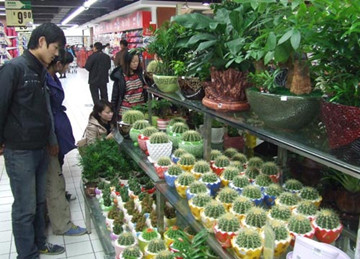
Tips for growing flowers in winter: get plenty of sun and water less
Mr. Mo, a flower enthusiast, kept two potted ornamental plants in his office -- golden barrel cacti, with golden spines sticking out of their green spherical bodies, very charming. A few days ago, he gave the golden barrel cacti a little water, and unexpectedly the bodies began to turn yellow; in the past two days the roots have turned black, and it is getting worse
-
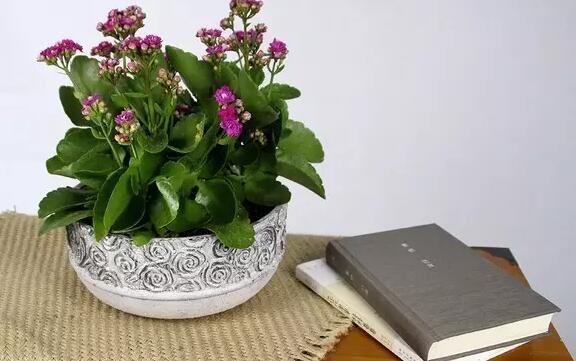
What to do when Kalanchoe leaves turn yellow? Give it more sun, water it less, and cut off the yellow leaves
As a beautiful flower that is also good for human health, Kalanchoe (Kalanchoe blossfeldiana) is deeply loved by gardening enthusiasts. However, during the growing process, due to improper operation or carelessness, Kalanchoe can become sick, and the common symptom is yellowing leaves. So what should you do when Kalanchoe leaves turn yellow? It is actually very simple
条件筛选