Tips for growing flowers in winter: get plenty of sun and water less
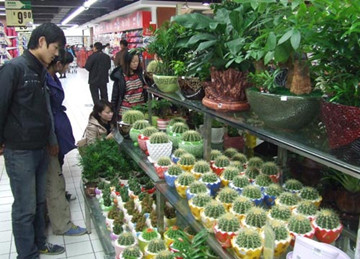
Mr. Mo, a flower enthusiast, kept two potted ornamental plants in his office———golden barrel cacti, with golden spines sticking out of their green spherical bodies, very charming. A few days ago, he gave the golden barrel cacti a little water, and unexpectedly the bodies began to turn yellow; in the past two days the roots have turned black, and it is getting worse, so he asked his colleagues whether there was any good way to save them.
“The main reason household flowers in the city struggle to get through winter is watering too frequently; winter flowers need more sun and less water,” introduced Manager Tian of the Jinling Flower Market. Because winter temperatures are low, air humidity is high, and plants consume little, frequent watering will cause more water to accumulate in the soil, leading to root rot; flowers placed outdoors may also get frostbitten or even frozen to death. The golden barrel cactus is a plant of the Cactaceae family and is itself a drought-tolerant plant, so it should be watered even less or not at all; other flowers should also be watered once every ten days to half a month, and the amount each time should not be too much. In winter, flowers should often be put in the sun; on clear, fine days the pots can be moved outside, and then moved back indoors at night.
It is understood that growing flowers at home is an enjoyable kind of work, and many people feel that not watering the flowers is like “not doing their duty”; this is mainly caused by not having a deep understanding of flower growing. In fact, there is a great deal of knowledge in growing flowers. Watering is certainly important, but when to water and how much to water are even more important, especially in winter when more attention should be paid.
Tips for growing flowers in winter: get plenty of sun and water less
Mr. Mo, a flower enthusiast, kept two potted ornamental plants in his office---golden barrel cacti, with golden spines sticking out of their green spherical bodies, very charming. A few days ago, he gave the golden barrel cacti a little water, and unexpectedly the bodies began to turn yellow; in the past two days the roots have turned black, and it is getting worse, so he asked his colleagues whether there was any good way to save them."The main reason household flowers in the city struggle to get through winter is watering too frequently; winter flowers need more sun and less water," introduced Manager Tian of the Jinling Flower Market. Because winter temperatures are low, air humidity is high, and plants consume little, frequent watering will cause more water to accumulate in the soil, leading to root rot; flowers placed outdoors may also get frostbitten or even frozen to death. The golden barrel cactus is a plant of the Cactaceae family and is itself a drought-tolerant plant, so it should be watered even less or not at all; other flowers should also be watered once every ten days to half a month, and the amount each time should not be too much. In winter, flowers should often be put in the sun; on clear, fine days the pots can be moved outside, and then moved back indoors at night.
It is understood that growing flowers at home is an enjoyable kind of work, and many people feel that not watering the flowers is like "not doing their duty"; this is mainly caused by not having a deep understanding of flower growing. In fact, there is a great deal of knowledge in growing flowers. Watering is certainly important, but when to water and how much to water are even more important, especially in winter when more attention should be paid.
Let flowers safely get through winter: tips for growing flowers in winter
Image from the internet
Note: edited during republication.
Compared with spring and summer, flowers blooming in winter seem especially precious. However, winter is not as bleak as imagined; many flowers such as narcissus, cyclamen, Christmas cactus, and cineraria dress up the cold winter in incomparably gorgeous colors. Placing some eye-catching flowers and plants at home adds a touch of warmth and pleasure to life.
Because of the weather, growing flowers in winter is not an easy task. Although the home is warm, flowers are prone to yellowing leaves, root rot, and similar problems. How can gorgeous flowers safely get through a winter?
Pay attention to keeping warm and preventing frost
Just as people need to wear more clothes to keep warm in winter, flowers also need attention to warmth and frost prevention in winter. Generally speaking, in low winter temperatures, some flowers grown outdoors can be kept warm by bagging, and it is best to place them in a spot with plenty of sunlight.
An enclosed balcony is very good for potted flowers to overwinter. If there is no enclosed balcony, potted flowers should be brought indoors at night, especially some cold-sensitive potted flowers, and the nighttime room temperature should preferably not be lower than 10°C. When cyclamen and Christmas cactus bloom in winter, the temperature must not be lower than 10°C; if the temperature is too low, the flower colors easily become dull and the flowers wither. Of course, some flowers are not afraid of the cold and can be grown directly outdoors, such as wintersweet, wintersweet, camellia, and ivy.
In addition, when growing flowers in winter, light is also one of the key factors. The light intensity in winter is not high, so flowers need sunlight even more to aid photosynthesis, so that the flowers can have lush branches and leaves and bloom larger and more beautiful flowers.
Whether flowers prefer shade or sun, it is best to let them all get some appropriate sun. On clear, fine days the potted flowers can be moved outside, and then moved back indoors at night. Because winter temperatures are low, appropriate sun exposure plays an important role in regulating the potted flowers' own temperature and can prevent them from wilting.
Image from the internet
Watering and fertilizing appropriately
Compared with summer, plants evaporate much less in winter. In addition, flowers and plants stop growing under low-temperature conditions, especially the vitality of the root system declines. Too much water makes the roots breathe poorly and very easily causes root disease, or even root rot and death, so there is no need to water flowers frequently.
When is watering needed? You can test it with just your finger. For example, if you find that the soil in the pot has become dry, or if tapping the side of the pot produces a crisp sound, then you can water an appropriate amount. In winter, flowers are in a semi-dormant or dormant state, and their absorption capacity is not strong, so they should not be fertilized too much. Too much fertilizer will raise the electrical conductivity in the potting soil, damage the roots, and at the same time make the branches and leaves tender, reducing cold resistance and disease resistance, which is not good for overwintering. Therefore, when growing flowers in winter, it is best to fertilize less or not at all.
Never place them in the bedroom
It is worth reminding that although flowers are suitable for growing indoors in winter, it is best not to put them in the bedroom. On the one hand, flowers placed in the bedroom consume oxygen at night when there is no photosynthesis; on the other hand, although most flowers grown in homes are beneficial to the human body, some flowers contain mild toxins and bring certain hidden risks to health. For example, the sap of oleander, the white milky sap of poinsettia, and the bulbs of narcissus can cause skin allergies; tulip flowers can make people feel dizzy and foggy-headed…… Such flowers are only for viewing; do not touch or smell them too much, and keep them away from the bedroom even more.
When planting flowers, it is best to choose harmless flowers, and pay attention to maintaining air circulation. As long as you grow flowers with care and grow them scientifically, you can create a beautiful green home environment and add pleasure to home life.