-

Key Field Management Techniques for Cotton After Topping in July
After cotton topping, generally 1 to 2 chemical control applications are made. The first is 3 to 5 days after topping; for fields with about 12,000 plants per 667 sq m, apply 4 to 5 grams of mepiquat chloride in 30 kg of water; after cotton topping in July, the following technical measures should be taken. 1. Scientific chemical control 1. Regulate according to growth vigor After cotton topping, generally 1 to 2 chemical control applications are made. The first is 3 to 5 days after topping; for fields with about 12,000 plants per 667 sq m, apply 4 to 5 grams of mepiquat chloride in 30 kg of water;
-
How to manage cotton after topping in July? Detailed technical points
Hot or high-temperature and high-humidity conditions are one of the most harmful factors in the livestock and poultry industry, leading to the occurrence of heat stress syndrome in livestock and poultry. Heat stress suppresses the body's immune function, reduces the concentration of immunoglobulins in the blood, decreases the number of lymphocytes in the blood, and causes a decline in the phagocytic capacity of macrophages in the body, triggering infectious diseases in livestock and poultry. Therefore, heat stress makes livestock and poultry prone to all kinds of diseases. Since modern excellent livestock and poultry breeds with higher production performance have weaker resistance to heat stress, severe heat stress often causes high-producing livestock and poultry to die first, resulting in serious economic losses. Here we discuss improving the
-
Detailed Explanation of Key Cotton Field Management Points in July
July is the month when cotton grows fastest and has the greatest growth volume; it is also a month of drastic weather changes, frequent disasters, and severe outbreaks of pests and diseases. Most cotton fields enter the flowering stage in early July, and by the end of July, 90% of the cotton plant's vegetative organs and reproductive organs have already grown out; the cotton root network is also established in July, forming the peak of absorption of mineral nutrients and water. Mid-July enters the dog days, which is the month when cotton transforms fastest and to the greatest extent. From the above aspects, cotton management in July has the nature of a decisive battle. (1) Digging furrows and earthing up. It is conducive to watering and
-
Do a good job of cotton management in July and August for a more secure bumper harvest
I. The importance of battling through July and August. The flowering and boll-setting stage is the longest stage in cotton's growth period and the time when natural resources such as light, heat and water are most abundant, which is very favorable for cotton growth and development. However, this period also has its unfavorable side: not only are natural disasters such as wind, hail, drought and waterlogging frequent, but pests and diseases also occur and cause serious damage. As the farming proverb says, "Cotton is a weed in the dog days; good can turn bad, and bad can turn good." Therefore, this period is the key period for securing a bumper cotton harvest, especially this year, when the cotton growth process is delayed by 7-10 days compared with previous years, and the seedling condition
-
Several Technical Measures to Focus on in July After Cotton Topping
I. Scientific Chemical Regulation 1. Regulation According to Growth Vigour After cotton topping, generally 1 to 2 chemical regulation applications are made. The first is 3 to 5 days after topping; for fields with about 12,000 plants per 667 sq m, apply 4 to 5 grams of mepiquat chloride in 30 kg of water; for fields with more than 16,000 plants, apply 6 to 7 grams of mepiquat chloride in 40 kg of water. The second chemical regulation depends on the individual development and population size of the cotton plants, and moderate heavy regulation is carried out according to the weather, soil moisture, and the growth vigour and appearance of the cotton plants, generally per 667 sq m
-
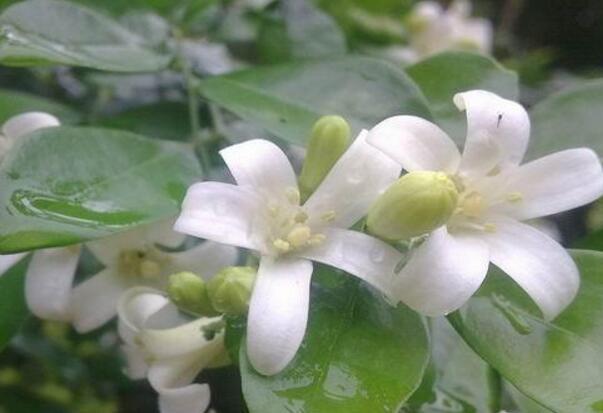
When does Orange Jessamine bloom? The flowering period runs from July to April.
Orange Jessamine (Murraya paniculata), a plant with an elegant form, beautiful flowers and a rich fragrance, is often kept indoors and is deeply loved by flower enthusiasts. However, Orange Jessamine generally takes 3-4 years from sowing to blooming, so when Orange Jessamine blooms is a question everyone wants to know.
-
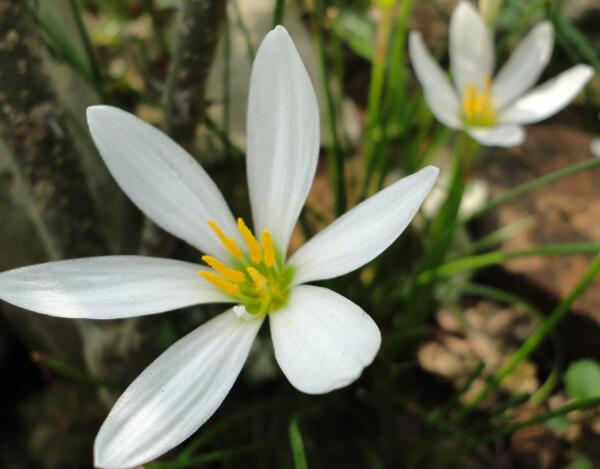
When Does the Autumn Zephyr Lily Bloom? Flowering Season Care for the Autumn Zephyr Lily / Blooms in July / Flowering Period of 3 Months
Among the effects and benefits of the autumn zephyr lily, its ornamental value is the most widely known, so when is the autumn zephyr lily at its most ornamental? The answer is when it blooms. As for when the autumn zephyr lily blooms and how its flowering season care should be done, let me walk you through it below.
-
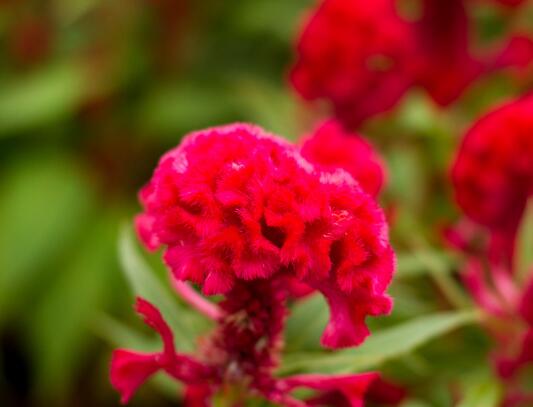
When Does Cockscomb Bloom? Flowering Season Care for Cockscomb / Blooms July-September, a 3-month flowering season
Cockscomb (Celosia) is a highly ornamental flower, and it can be seen in many gardens in our country. Its most ornamental moment is when it blooms, so when does cockscomb bloom? And what care does it need during its flowering season? Below, the editor will guide you through it.
-
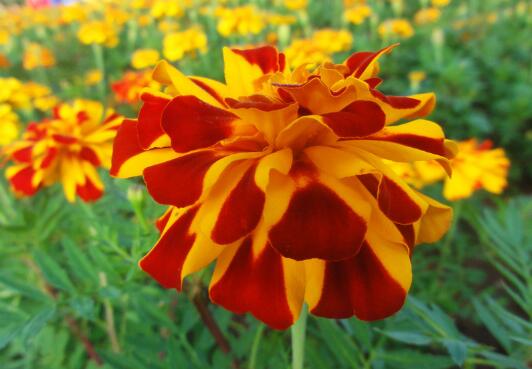
When Does Marigold Bloom? Marigold Blooming Season Care / Blooms July-September, a 3-Month Blooming Period
Marigold is a highly ornamental plant that can be seen in many gardens across our country. When it comes to the marigold's most ornamental moment, it is certainly when it blooms. So when does marigold bloom? And how should marigold be cared for during its blooming season? Let me walk you through it below.
-
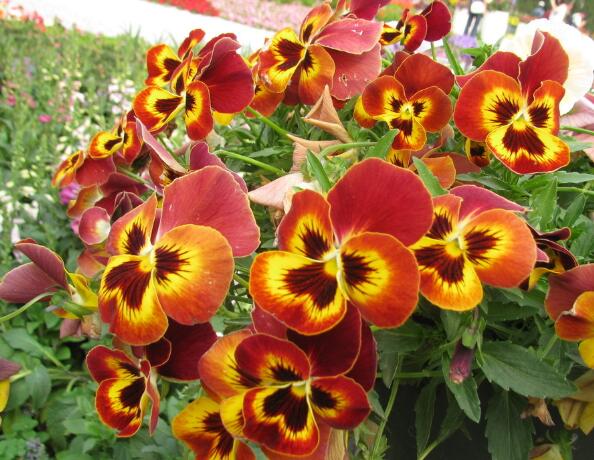
When Do Pansies Bloom? Flowering Season Care Tips for April to July
As described in the article on the benefits and uses of pansies, the pansy is a highly ornamental flower. Whether grown at home or used as a garden flower, its beauty serves well. When it comes to the time when it is at its most ornamental, that is certainly when it blooms. So when do pansies bloom?
条件筛选