-

Is Jacaranda a green-leaf or deciduous plant?
Jacaranda is a plant that can serve as both an ornamental tree species and a timber source for furniture, and there are many places in our country where jacaranda is grown, so is jacaranda a green-leaf or deciduous plant? 1. Growth habits of jacaranda. Jacaranda is a plant of the Bignoniaceae family and the genus Jacaranda
-
When is the flowering season of Jacaranda? A detailed explanation of the blooming time
The flowering season of Jacaranda is May-June, and the flowers are blue-purple. It is a tree species grown for ornamental value, foliage and flowers, and is widely used as a street tree. Below is an introduction to the cultivation techniques for Jacaranda. Cultivation techniques for Jacaranda 1. Propagation Jacaranda can be grown
-
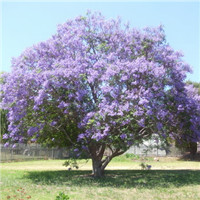
What are the characteristics and symbolic meanings of the jacaranda? Read this one article to understand
The jacaranda, originally a plant from Brazil in the Americas, has been introduced into our country in recent years for ornamental purposes. It is a deciduous tree of the Bignoniaceae family, and when fully grown it can even reach 15 m.
-
What are the other names for Jacaranda? Let us introduce you to its common aliases
Jacaranda, originally a plant from Brazil in the Americas, has been introduced into China in recent years for ornamental purposes. It is a deciduous tree of the Bignoniaceae family and can grow up to 15 m tall.
-

A Detailed Guide to Jacaranda Propagation Methods and Growing Techniques
Jacaranda is a tree species that has only been introduced and cultivated in China in recent years. It is a woody plant that blooms once each in summer and autumn every year. At full bloom, the whole tree is covered in violet-blue flowers, making it very elegant and refined. Especially in the tropics, tree species with blue flowers are relatively rare.
-
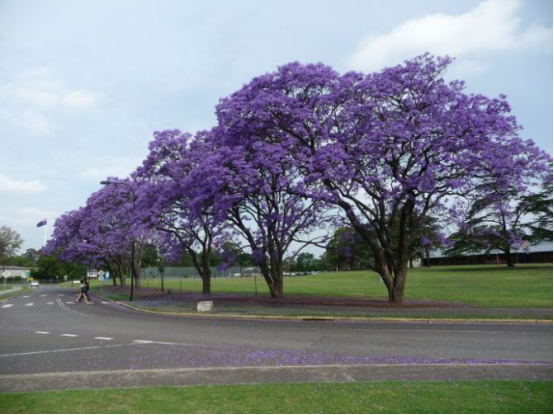
What are the reasons why jacaranda does not bloom?
Jacaranda prefers to grow in a warm, humid environment with plenty of sunlight, and it is not tolerant of frost, snow, or freezing cold. Therefore, the growing environment for jacaranda is very important, and from this we can also find the factors behind why it does not bloom. First, it may be insufficient sunlight; a lack of sunshine can lead to insufficient nutrients for growth, thereby affecting the flowering of jacaranda
-
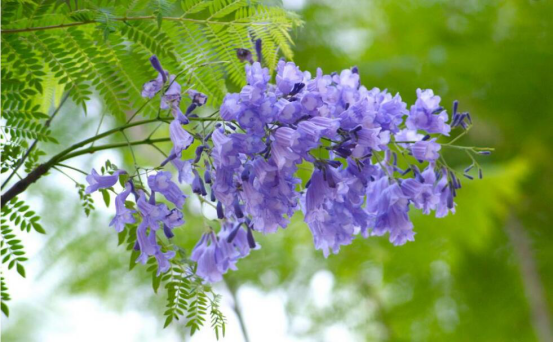
How to grow jacaranda? Detailed guide to cultivation methods and precautions
1. Temperature and light. The jacaranda is native to tropical America and prefers a warm, humid environment with plenty of light; it is not tolerant of cold, frost or snow. It grows best at temperatures between 22 and 30 degrees Celsius. If the temperature drops below 15 degrees, the jacaranda will stop growing or may even be damaged by the cold
-
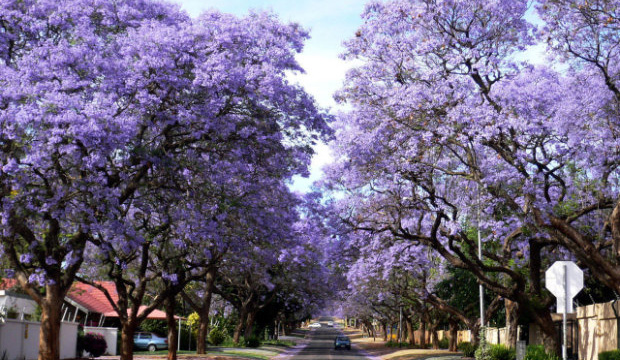
How to Grow Jacaranda? A Detailed Guide to Cultivation and Care Methods
Jacaranda is native to tropical America and prefers a warm, humid, sunny environment; it is not tolerant of frost or snow. The suitable growing temperature is 22 to 30°C. If the winter temperature drops below 15°C, growth stalls, and if it falls below 3 to 5°C there is cold damage; if the summer temperature rises above 32°C, growth is also inhibited. It loves light and can tolerate partial shade
-
A Detailed Guide to the Growth Habits and Propagation Methods of Jacaranda
Jacaranda blooms from late spring to early autumn, and its leaves all fall when it flowers. The capsule is woody, ovoid, slightly flattened, light brown, about 5 cm in diameter, and the seeds are small and winged. The wood is dark brown. In terms of growth habits, it prefers a warm climate and is best planted in a sunny location. It is not demanding about soil conditions.
-
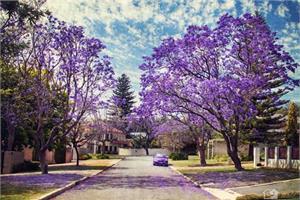
Introduction to Jacaranda and the Love Legend Behind It
A Brief Introduction to Jacaranda: The Love Legend of Jacaranda
条件筛选