-

-
What kind of plant is the Phalaenopsis? An introduction to the orchid family plant Phalaenopsis
The Phalaenopsis is native to tropical rainforest regions, and is now widely distributed in Southeast Asian areas such as Thailand, Malaysia and the Philippines, as well as being cultivated in Taiwan China and Central and North America.
-
Is Osmanthus a Woody Plant? An Introduction to the Botanical Characteristics of Osmanthus
Osmanthus is one of China's ten traditional famous flowers, an excellent garden tree species that combines greening, beautification and fragrance, with both ornamental and practical value. Osmanthus is pure enough to banish all dust, and its rich fragrance carries far and wide, making it truly outstanding. Especially in mid-autumn, when clusters of osmanthus bloom in full glory, and in the still of the night when the moon is full, drinking wine and admiring the osmanthus, with its aged fragrance assailing the nostrils, leaves one feeling refreshed and clear-headed. In ancient China
-
Phlox is a perennial herbaceous plant: an introduction to its floral characteristics
The phlox plant is dwarf and rich in flower colors; it can be used as plant material for flowerbeds, flower borders and rock gardens, and can also be potted for indoor decoration. When in bloom it forms a large hydrangea-like cluster, very endearing.
-
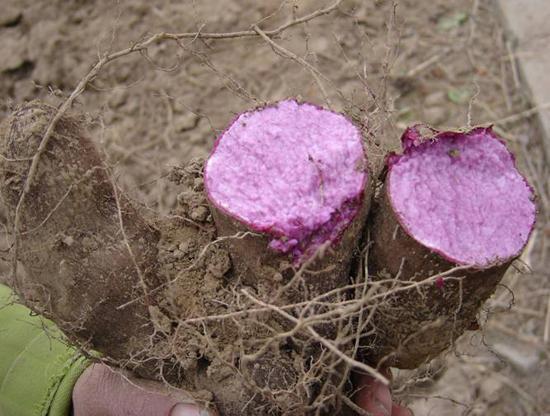
Introduction and Cultivation Techniques of Purple Yam 'Suyu No. 2' in De'an County, Jiangxi Province
Introduction and Cultivation Techniques of Purple Yam 'Suyu No. 2' in De'an County, Jiangxi Province. 'Suyu No. 2' was jointly developed by the Xuzhou Institute of Agricultural Sciences and the Institute of Industrial Crops, Jiangsu Academy of Agricultural Sciences, through radiation breeding of "Zhejiang Taihu Purple Yam", and was bred in 201...
-
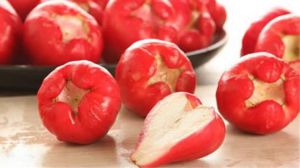
How do you eat wax apple? An introduction to the correct way to eat it
Eat it directly: Rinse the wax apple under clean water, cut off the fruit navel at the bottom, and eat it directly. Make juice: Wash it clean, blend it into juice, filter out the pulp, add some honey, stir thoroughly, and it is ready to drink. Honey nut wax apple: Use a tool to crush the nuts and the petal-like parts of the wax apple, add an appropriate amount of honey, place it on the wax apple, and it is ready to eat.
-
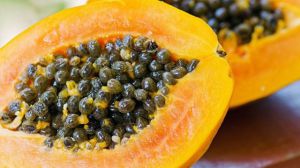
How do you eat papaya? An introduction to several common ways to eat it
Eating it directly: Cut the papaya open with a tool and you can eat it directly. Papaya milk: Cut the papaya into pieces, put the milk, sugar, crushed ice, water and papaya pieces into a blender, blend into juice and it is ready to drink. Papaya honey water: Cut the papaya into slices and put them into a pot to heat, finally add honey and stir well, and it is ready to eat.
-
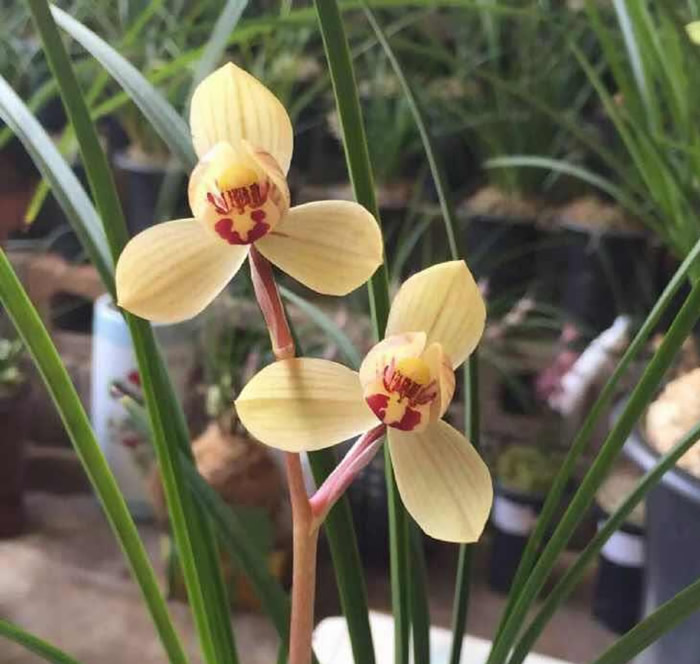
Introduction to the Characteristics of the Yongchang Golden Lotus Cymbidium lianpanum Variety
The flowers are golden yellow, the petals are rounded, and the flower form holds steady. The leaves are thick and glutinous, upright and slanted, with a thick, hard texture and deep green color. Leaf length is about 40 cm, and leaf width is about 0.7 cm. It blooms in early spring, and the flower is a standard yellow lotus-petal form, with the three outer petals broad and the petal tips rounded; the base is contracted, the shoulders are broad, and the edges are tightly rolled, full and dignified; the flower is golden yellow, the flower stands above the leaves, and the fragrance is delicate.
-
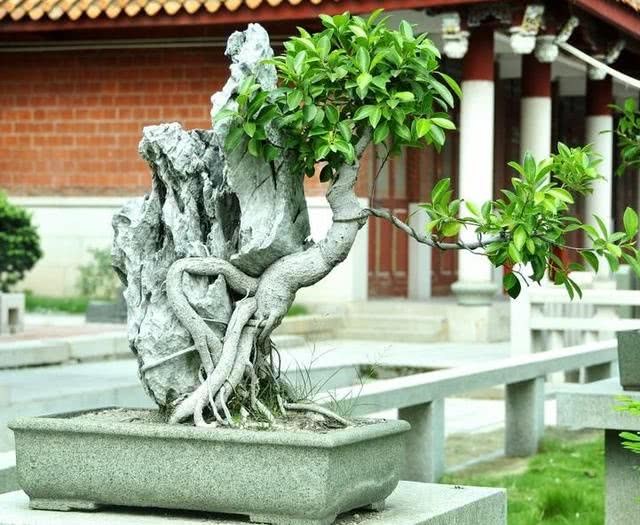
A detailed introduction to the Indian banyan bonsai, let's learn about it together if you are interested
The Indian banyan is actually not, as everyone imagines, found only in India; it is also distributed in Bangladesh, so its other name is the Bengal banyan. A new bonsai introduction! Are you interested in learning about the Indian banyan bonsai? Then...
-
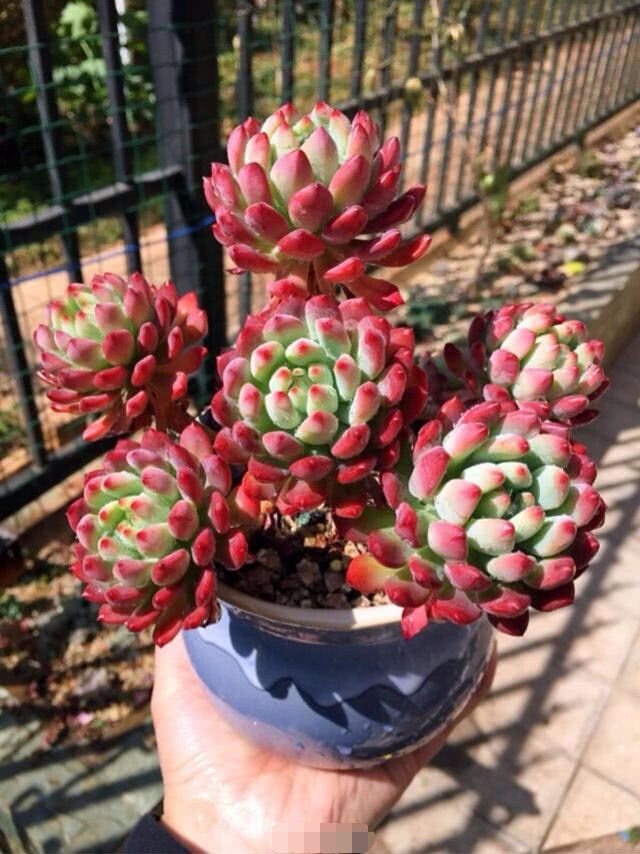
Variety Introduction to the Blue Apple Succulent
Blue Apple is a succulent in the Crassulaceae family, a cross-genus hybrid between Sedum and Echeveria. Blue Apple morphological characteristics: Blue Apple succulents often grow in a rosette form, readily producing new shoots from the lower part of the stem to form clumping growth, gradually...
条件筛选