-
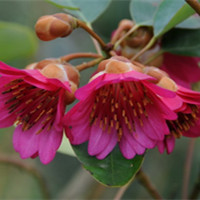
What is Rhodoleia championii? A real introduction to this plant
Rhodoleia championii is a woody plant. When it blooms, the flowers are quite showy, making it a fairly good ornamental tree. It is well suited to garden cultivation for viewing.
-
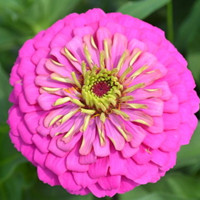
Introduction to Zinnia: Get to Know This Flower
Zinnia (Zinnia elegans), an annual herbaceous plant. Native to Mexico, it is a well-known ornamental plant, with single-flowered, double-flowered, curled-leaf, crinkled-leaf, and various differently colored horticultural varieties. It is widely cultivated throughout China, and sometimes becomes wild.
-
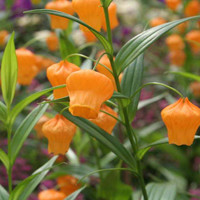
What other names does the Chinese lantern lily have? An introduction to its common aliases
The Chinese lantern lily (Sandersonia aurantiaca) is a perennial herbaceous plant. It is a very popular cut flower on the market today and is also well suited to being grown for ornamental enjoyment.
-
-
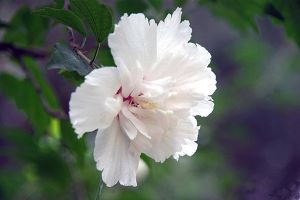
How do you eat hibiscus flowers? Introduction to common edible methods
This plant can be made into many foods, such as hibiscus doufunao (soft tofu) and tofu soup as well as crucian carp, and in addition crispy fried hibiscus flowers and congee can also be made from it. Besides this, it can also be made into tea; ginger tea and honey tea are both possible. Pork soup and rock sugar drink can also be made from it.
-
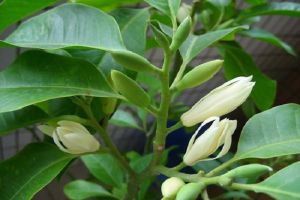
When does the white orchid (Michelia alba) bloom? An introduction to its flowering period
It usually produces flowers in summer and autumn, and the flowering period generally lasts about one month. To help it bloom, you need to pinch off the growing tips, add fertilizer, water it, give it enough light and provide appropriate shade, and only then can the white orchid successfully produce flowers.
-
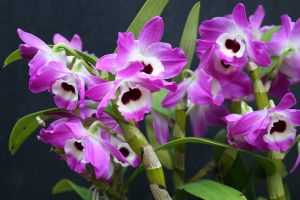
How to eat Dendrobium nobile? Introduction to common consumption methods
Although this plant is a fairly well-known medicinal herb in our country's history, many people still do not understand it. For example, did you know it can be eaten? In fact, it can not only be eaten, but also has multiple ways of preparation. For example, juicing, cooking into dishes, eating fresh, soaking in liquor, brewing as tea, and so on. Want to know how to do it specifically? Then keep reading.
-
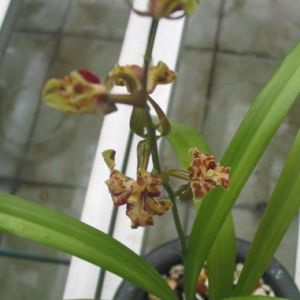
Introduction to the Chinese Fireworks Cymbidium sinense variety and its care essentials
The leaves are semi-arching and soft in texture, green with a yellowish tinge, 40-55cm long; the flower stems are reddish and upright. It is a multi-lip unusual flower, with the lip coating yellow at the base and dotted with red, and deep lip grooves that give it a rich texture; at its most floriferous it bears seven lips. The column is short and small, yellow in color. Overall it is crystal-clear and gorgeous, grand and imposing, like brilliant fireworks, which is how it got the name "Chinese Fireworks".
-
Introduction to the Characteristics of the Huangmei Chunlan (Cymbidium tortisepalum) Orchid Variety
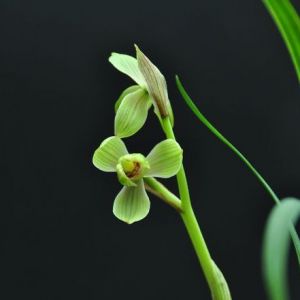
The leaves of this plant are dark green, soft and drooping, about 14cm wide, with pointed tips and a thick, glutinous texture. One scape bears 2-5 flowers; the scape rises above the leaves, with level shoulders, and the flowers hold up quite well. When the flower first opens, it turns from green to tender white; after a long time, it becomes slightly pale yellow. As it is about to fade, it opens again into a bluish green. The three outer sepals are short-stalked, broad and round, with tightly rolled edges, curving inward like a spoon. The inner petals...
-
Cymbidium lianpan 'Dianmei' (Baocao) Variety Introduction
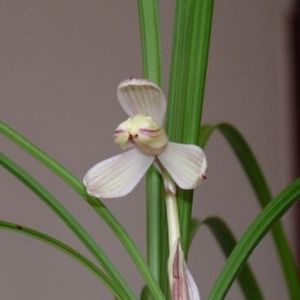
Flower name: Dianmei, also known as Baocao, is a typical representative of the plum-petal varieties of Yunnan's Cymbidium lianpan, and is regarded as the king of plum-petal Dian orchids, hence the name Dianmei. This orchid was discovered in Weishan County in February 1995, when there were only 13 seedlings (heads); it originated in the Grand Canyon area of the Three Rivers basin in western Yunnan. Characteristics: 5-10 leaves, leaf length 30-60 cm, leaf width 0.3-...
条件筛选